ZEF Strategy
ZEF has evolved over the past two and a half decades, and its strategic orientation has been continuously adjusted due to changing global contexts and innovation opportunities. The adjustments were forward looking and captured in medium-term strategic plans as well as Advisory Board-commissioned external reviews. These adjustments made with foresight are the basis of ZEF’s success. ZEF research leaders and teams, the ZEF Advisory Board and research partners were all instrumental in this evolution. Since ZEF’s current research strategy ends in 2020, it is now time to develop a new strategic plan for the period 2021-2030.
Assets in the new Strategy Update
01.
A strong set of diverse research teams that cooperate multi- and interdisciplinarily across the three areas of disciplinary core expertise at ZEF, i.e. economics, social and natural sciences and that conduct basic empirical research in all world regions.
02.
A network with more than 100 active and significant partnerships with universities and research institutions around the world, in both high income and emerging economy countries.
03.
A growing alumni network of presently around 400 established researchers world-wide who used to work at ZEF as junior or senior researchers and have moved on to research institutes or other organizations, but remain in touch with ZEF, often engaging in joint research, capacity building, and policy advisory activities.
04.
A considerable portfolio of agencies which fund ZEF’s research and capacity building programs that has facilitated the considerable non-core funding of the institute, presently standing at approximately 80% of ZEF’s budget.
05.
A cadre of about 50 affiliated Senior Fellows who are partly engaged as research partners.
06.
And last but not least, an international Advisory Board composed of eminent researchers, policy makers, and representatives from the private sector and civil society.
The Case for this Strategic Update
- The international research landscape undergoing dynamic change and getting stronger also in emerging economies of the global South.
- The success of the UoB‘s Excellence Initiative, and the establishment of different Transdisciplinary Research Areas (TRAs), to which ZEF’s research capacities, priorities and international reach contribute significantly.
- The strengthening of the bi-directional transfer and translation of research insights, knowledge and technology in politics, culture, business and civil society, i.e. the „Third Mission“ at the UoB, the transformative roles of and needs for innovation and society’s increasing demand for improved and extended modeling and foresight.
- ZEF’s longstanding and acknowledged track record in national and international policy advice and higher education programs worldwide which will significantly contribute to the UoB’s internationalization of research and education.
- ZEF’s inter- and transdisciplinary research approaches that perfectly correspond with the UoB’s new TRA concept and embeds them in its international science and development network. In this way, ZEF facilitates important links between the UoB and the rapidly evolving research landscapes in low income and emerging economies.
ZEF's Vision and Mission
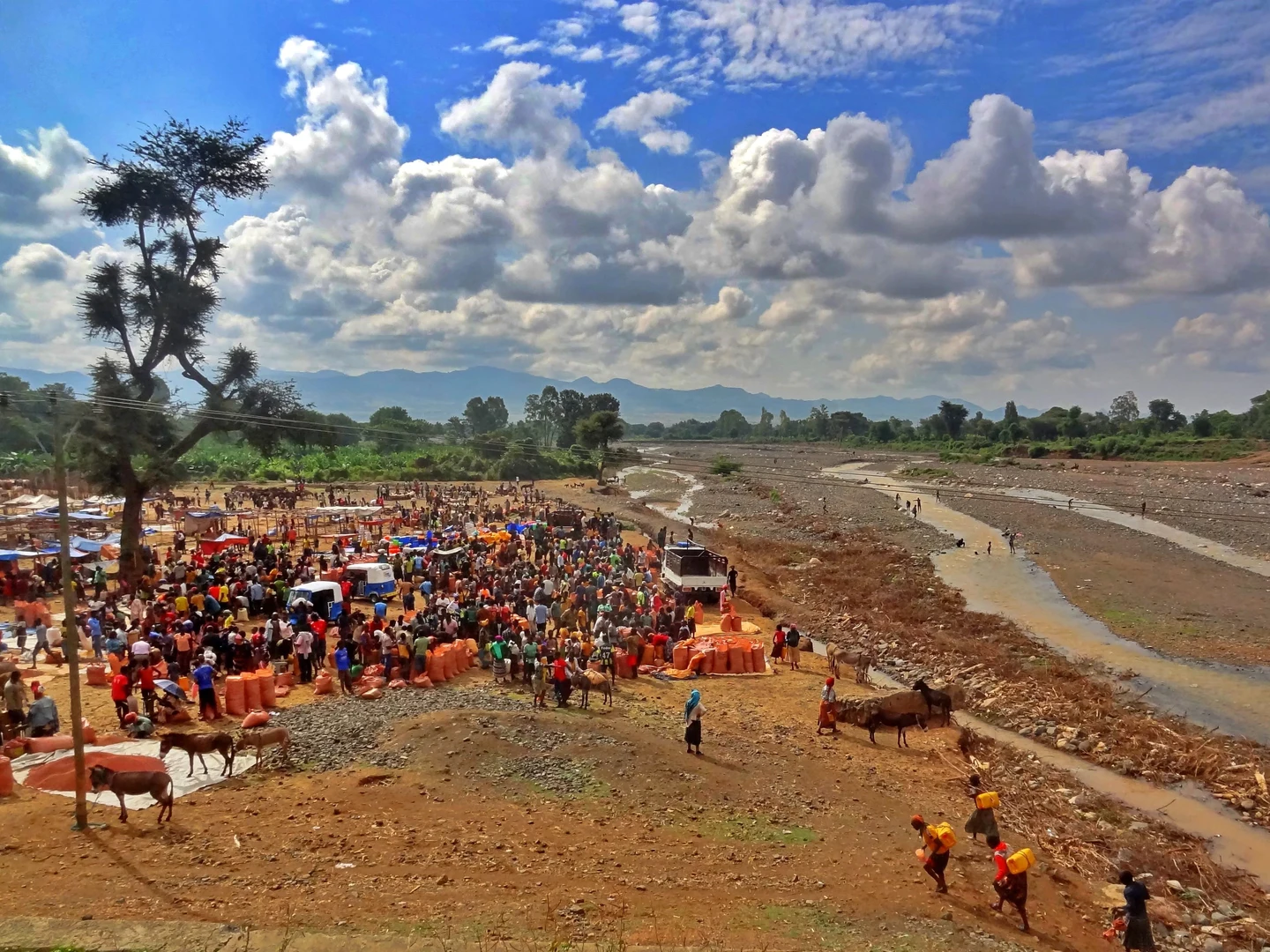
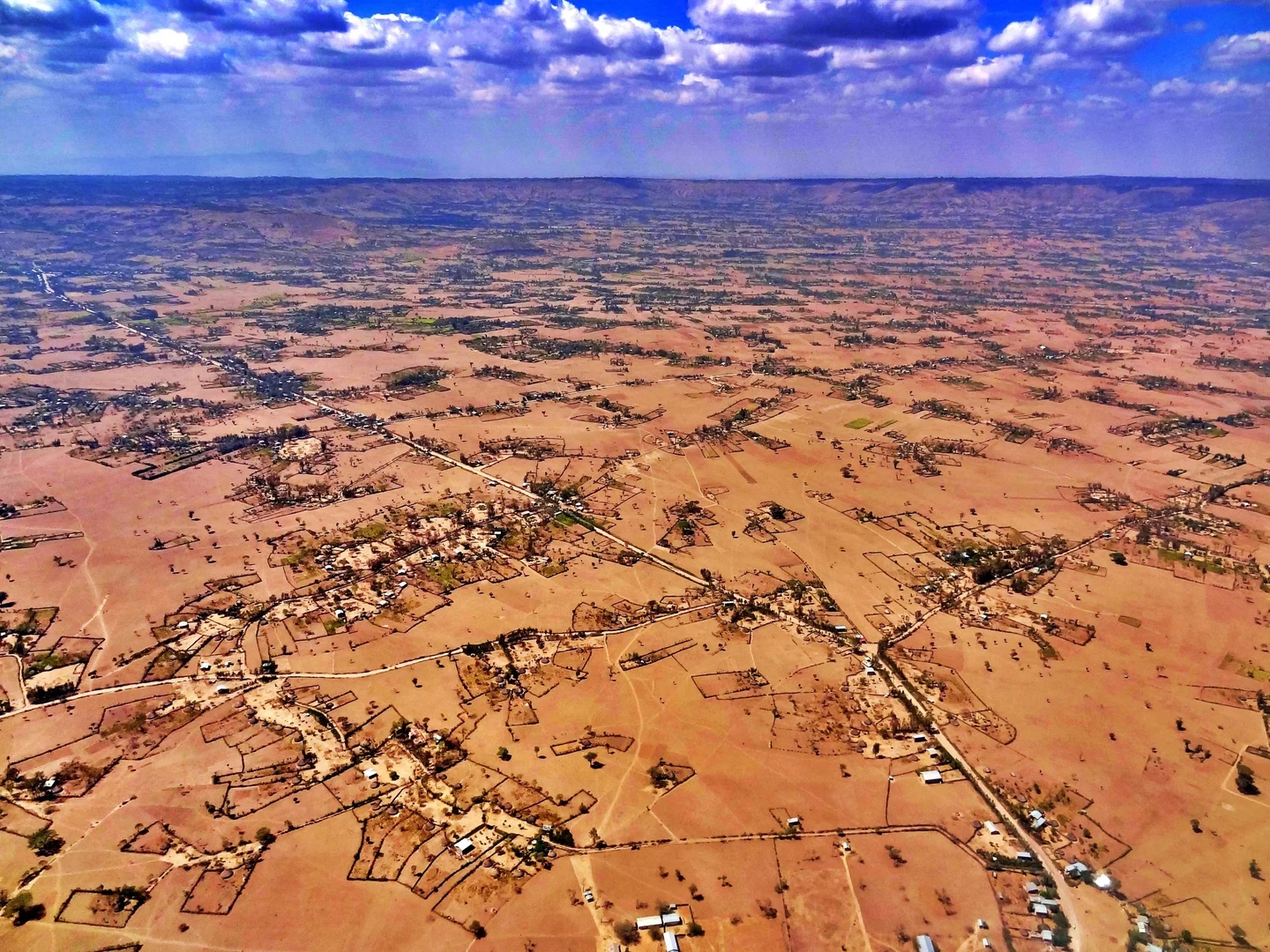
ZEF‘s vision – in innovation and excellence – is to conduct in-depth empirical and inter- and transdisciplinary research and foster academic education for improved and more sustainable livelihoods and environments of rural and urban communities in low-income and emerging economy regions. In a globalized world, ZEF engages not only with and in developing regions but also addresses development experiences and problems in high income countries. As inequalities widen both globally and locally, ZEF’s research and education programs contribute to a better understanding of complex cause-effect relationships in sustainable development.
The Broad Strategic Directions of ZEF
ZEF’s goal for 2021 to 2030 will be the transformation of ZEF into a center for advanced transdisciplinary research on global sustainability development. This will be achieved by leveraging alliances within the UoB as well as with ZEF‘s Bonn based and international partners. The new strategic focus will have meaningful implications for ZEF’s research, teaching and transfer activities, for instance through the development of powerful new tools, methodologies and participatory methods to identify and overcome structural implementation bottlenecks thereby also strengthening the center’s ability to deliver national
and international policy advice.
Evolving ZEF’s Research
Developing a new medium-term strategy offers the opportunity to rethink research priorities but also reexamining how the center operates and is managed and governed. This is particularly true against the backdrop of recent developments at the UoB with regard to the Excellence Initiative. Over the past 10 to 15 years, ZEF has built up considerable expertise in key research areas related to development, and this will continue with innovative research methodologies and with impact orientation in areas including:
• Agriculture and land use with links to climate change
• Water resources and their management
• Biodiversity
• Food and nutrition
• Health (including One Health)
• Gender
• Migration, mobility and urbanization
• Governance and conflict
• Markets and services
• Innovation and science policy

A detailed Look into the Strategy
Click to download the Paper.
Contact
Zentrum für Entwicklungsforschung (ZEF)
Center for Development Research
University of Bonn
Genscherallee 3
53113 Bonn, Germany
Tel: +49 (0)228 / 73 -1865
Fax: +49 (0)228 / 73 -1889
E-mail: presse.zef@uni-bonn.de