Cultural and Political Change (CPC)
The scientific team of the group builds on expertise from various disciplines, such as human geography, social anthropology, sociology, political sciences, history, development studies, as well as on law and planning. While research themes and regions vary because they depend on the current composition of researchers and ongoing projects, our empirical work is characterized by interdisciplinary social science research carried out at various scales. We usually focus on the local scale where we use mainly qualitative studies and complement them with quantitative methods.
Our group hosts the head office of the Right Livelihood College.
Current Fields of Research
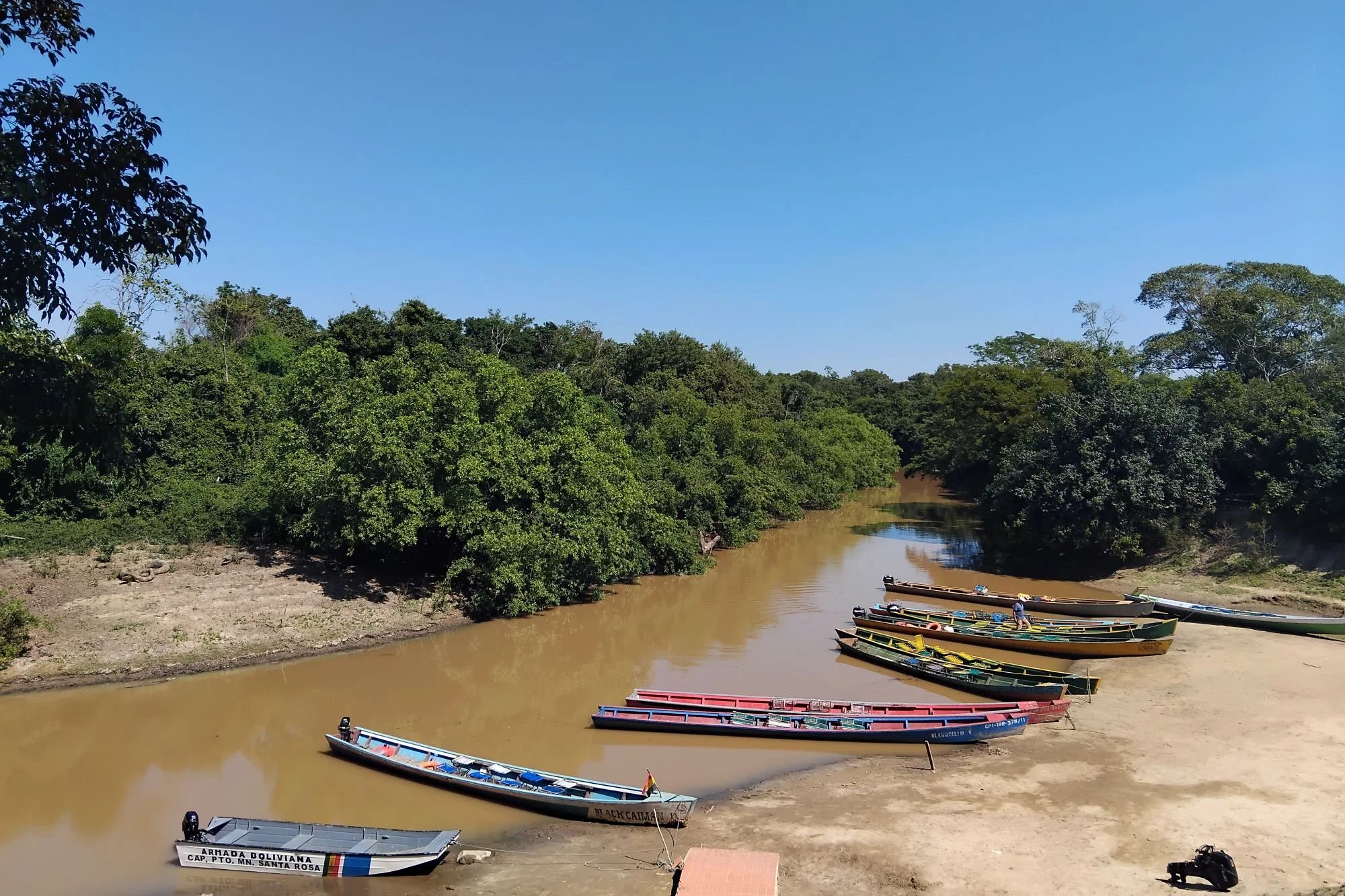
Environmental Conflicts
ZEF CPC Research Group works on Environmental Peace and Development, i.e. in Colombia in cooperation with the the Institute of Environmental Studies at the Universidad Nacional de Colombia.
World Heritage vs. Local Realities
The Konso Cultural Landscape in Ethiopia is a UNESCO World Heritage Seite. ZEF-research not only shows how local people adapt to their environment, but also the challenges they face as being part of a World Heritage site.
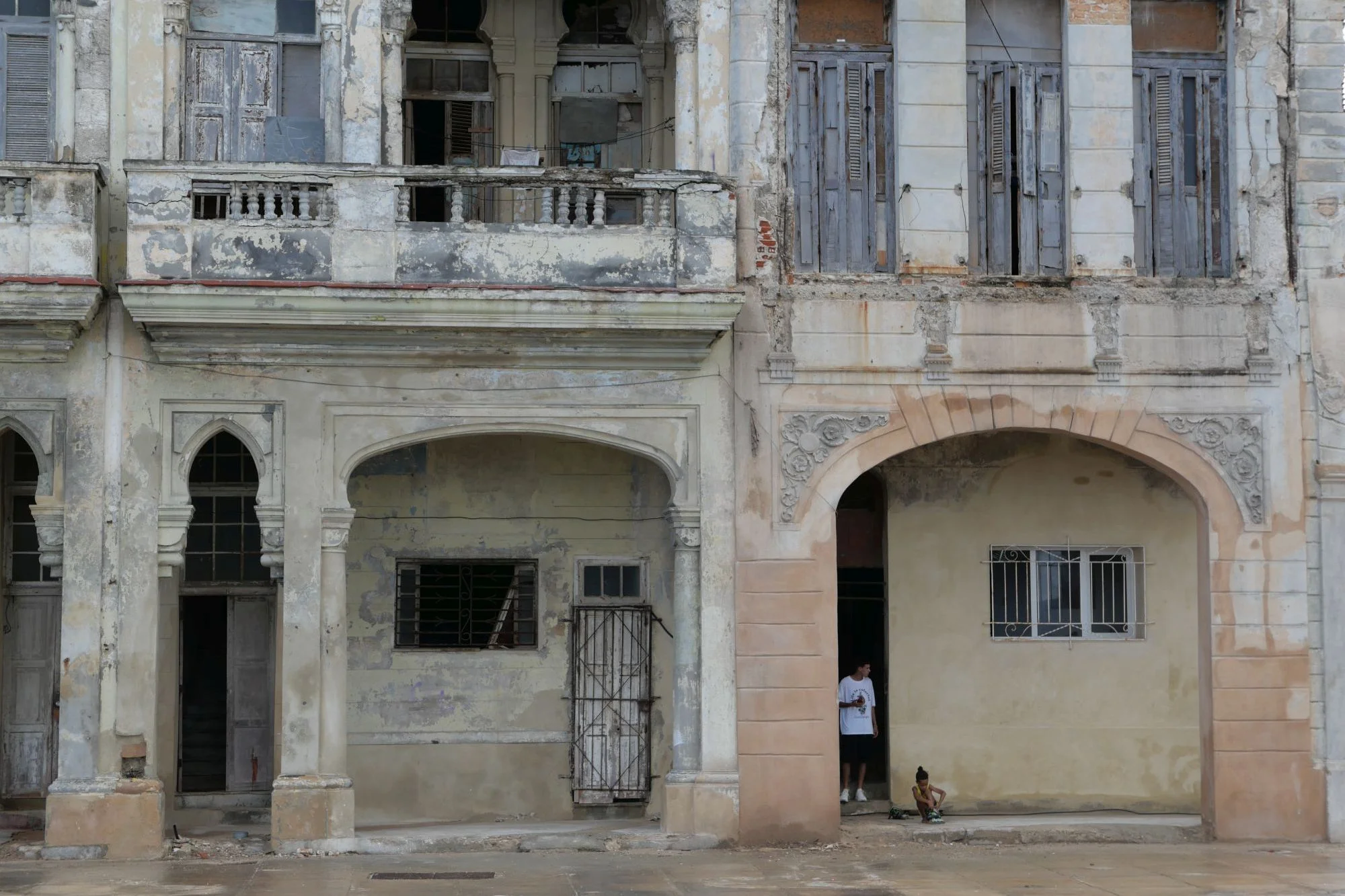
Urbanization
Housing has increasingly become a commodity and an object of speculation in the real estate market. ZEF CPC research explores the question of why the housing crisis in Latin America is so pronounced and how this relates to the colonial city and the consequential dynamic urbanization.
CPC Staff
- Youkhana, Prof. Dr. Eva, eva.youkhana(at)uni-bonn.de
- Gella, Dr. Asrat, agella(at)uni-bonn.de
- Gohlke, Andreas, agohlke(at)uni-bonn.de
- Laube, Dr. Wolfram, wlaube(at)uni-bonn.de
- Petersheim, Christian, cpetersheim(at)uni-bonn.de
- Roux, Dr. Clément, croux(at)uni-bonn.de
- Stellmacher, Dr. Till, t.stellmacher(at)uni-bonn.de
- Tobón Ramírez, Dr. Carolina, catora(at)uni-bonn.de
- Abdalla, Ahmed, s5adabda(at)uni-bonn.de
- Abrol, Sakshi, s.abrol(at)uni-bonn.de
- Adebo, Hiwot Wolde, s5hiadeb(at)uni-bonn.de
- Alvarado, Stephanye
- Bassil, Vanessa, bassil.vanessa(at)gmail.com, vbassil@uni-bonn.de
- Beukes, Anni, s5anbeuk(at)uni-bonn.de
- Castillo Lopez, Daiana, s5dacast(at)uni-bonn.de
- Cermeño, Helena, helena.cermeno(at)gmail.com; hcermeno@asl.uni-kassel.de
- Chávez-Páez, Wendy, lachavez34(at)yahoo.com
- Chinchilla Salcedo, Gina María, s5gichin(at)uni-bonn.de
- Cruz Kanter, Ernesto, cruzkanter(at)gmail.com
- Dakyie, Albert Allan, albert.dakyie(at)uni-bonn.de
- Diaz Espaillat, Micely, micely.diaz(at)uni-bonn.de, micelydiazespaillat@gmail.com
- Díaz Parra, Karla Yubranny, karladiaz(at)uni-bonn.de
- Forneck, Sebastian, sebastian.forneck(at)gmail.com
- Gonzaga, Gretchen, ggonzaga(at)uni-bonn.de
- Guanti Lasso, Michelle Mineli, s5miguan(at)uni-bonn.de
- Hasan, Ramsha, ramsha.hasan(at)uni-bonn.de
- Hojiev, Khushbakht, khojiev(at)uni-bonn.de
- Kambekova, Altynay, altynay.kambekova(at)uni-bonn.de
- Kumar, Amit, s5amkuma(at)uni-bonn.de
- Maddah, Homa, homamaddah(at)gmail.com
- Martin Espinosa, Mayra Alejandra, s5mlmart(at)uni-bonn.de
- Mazanhi, Patience
- Mitra, Rohini, ro.mitra(at)uni-bonn.de
- Mitta, Gifawosen Markos, gifawosen.markos(at)uni-bonn.de or gifawosenm@yahoo.com
- Mumbi Ndunda, Elizabeth, lndunda(at)gmail.com
- Naab, Francis Xavier, s5frnaab(at)uni-bonn.de
- Nyame, Valentina, nyame.valentina(at)uni-bonn.de
- Odamtten, Genevieve, odamtten(at)uni-bonn.de
- Opanga, Valentine, vopanga(at)uni-bonn.de
- Perez Ojeda del Arco, Diego
- Rosales Salgado, Maryoriet Nicole, margeersalgado(at)gmail.com
- Saleem, Sofia, sofiasaleemsofi(at)gmail.com
- Schmidt, Emilia, emilia.schmidt(at)uni-bonn.de
- Shagdarsuren, Oyuntuya, ocabone_23(at)yahoo.com; sh.oyuntuya@gmail.com
- Torres Celi, Juan, jtorresceli(at)uni-bonn.de
- Xiao, Gaoli, g.xiao(at)uni-bonn.de
- Zhang, Liwen, liwen.zhang.cn(at)gmail.com
CPC Projects
Keywords
Doctoral Studies Support Program, Colombia, ZEF, DAAD, SDGs
Countries
Colombia, Germany
Summary
This bilateral doctoral studies support program on „Environmental peace building and development in Colombia“ of ZEF at the University of Bonn and the Universidad Nacional, Bogotá, Instituto de Estudios Ambientales (IDEA), will look at the nexus of natural resources, governance and conflict in Colombia. We will use innovative and integrative concepts, methods and instruments to explore interdependencies. The joint German-Colombian production of knowledge based on interdisciplinary exposure and integrative measures is the more important in a country in which the recently signed peace appraisal will be put to test by the way the society finds solutions for pressing issues related to conflictive extractive activities, environmental protection and not least the participation and inclusion of the population in decision making processes to reduce environmental conflicts.
Rights and access to natural resources
Territorial rights and access to natural resources are key elements to understand long-standing political and social conflicts in the world. In Latin America, their role is enhanced by many interconnected factors such as divergent world views on land and territory and consequential competing interests. This includes for example concepts of land and nature as livelihood with symbolic meaning vs. the notion of land and its resources as a commodity. Such factors are largely responsible for the increasing and unsustainable use of resources and exploitation of natural resources. This can be in the form of more extractive activities such as mining, agro-industries and monocultures with a destructive impact on the environment.
Colombia’s case of conflict
Colombia is a show case of a country in which territorial rights, land use and the extraction of natural resources have been deeply entrenched with diverse forms of violence. The long-lasting armed conflicts starting in the mid1960s between different guerrilla groups such as the FARC (Fuerzas Armadas Revolucionarias de Colombia, today Fuerza Alternativa Revolucionaria del Común) and ELN (Ejercito de Liberación Nacional) on the one hand and the consecutive Colombian governments on the other show the linkages between armed conflict and historically derived inequalities in terms of access to land and territorial distribution. In Colombia, this relation has not only led to the exploitation and destruction of the environment but also to the expropriation of land and displacement of rural population. In fact, Colombia is one of the earth’s five mega-biodiversity centers which makes the country the world‘s core biodiversity region and therefore a hotspot for its commodification.
“Post-conflict” opportunity
Currently, Colombia faces a unique historical challenge with the ‘post-conflict’ (posacuerdo), because the peace agreement with FARC and the peace negotiations with ELN seem to end the armed conflict. But the challenge lies in implementing strategies for a ‘sustainable peace’, which would need to address the unequal distribution of land, the legal pluralistic notions of land, respective claims for territorial rights and the sustainable use of ecosystems and natural resources rather than exploiting them arbitrarily. Nonetheless, the relations between the environment and the armed conflict in Colombia are manifold. Thus, the diverse ecosystems and natural resources may appear as the cause, the victim (deforestation, fumigation), or the beneficiary (through the protection and conservation of contested sites with high biodiversity) of these ongoing conflicts. At the same time, the environment and the way territory is distributed and used is at the core of any long lasting solution to the complex conflict.
Interdisciplinary and transdisciplinary project approach
This project needs and chose an interdisciplinary approach to deal with the complex setting. The different relations between the environment and the conflict in Colombia, the role land and access to natural resources play for the peace building process and how the environment can be protected in the long run while simultaneously balancing the different exploitation interests still need an interdisciplinary scientific exploration . Both the dimension of the destruction of the environment and the development of solutions to use and protect the environment and all the people therein (implementing an institutional set-up for land use planning, developing forms of alternative agricultural production, ecological-organic farming, tourism, etc.) need further analysis in order to fully understand human-nature relationships and the feedback mechanisms of the socio-ecological systems. Whether the commercialization of natural resources can be managed in a sustainable way depends to a large extent on the legal and institutional set-up and the way the affected population is involved in decision-making on strategies to use the common goods and develop the country. The future of peace in Colombia highly depends on sustainable, locally adapted and integrated solutions for land use and access to resources, to which highly qualified scientists can substantially contribute.
Methodology
- Development of an Interdisciplinary doctoral program addressing the SDGs
- Creation of a research agenda addressing the SDGs
Main Cooperation Partners
- Institute for Environmental Studies (IDEA) in Bogotá, Colombia
- Bonn International Center for Conversion (BICC)
- University for Development Studies (UDS) in Ghana
- UN System Staff College (UNSSC) - Knowledge Centre for Sustainable Development
Main Funding Partners
BMZ, DAAD
Duration of the Project
until December 2025
Project Homepage
https://dssp-colombia.org/
Team
at ZEF:
- Eva Youkhana (project leader)
- Dennis Aviles Irahola (coordinator)
- Christian Petersheim (financial administration)
- Carolina Tobón Ramírez (coordinator)
Project Partners:
- Carmenza Castiblanco Rozo (Project Leader IDEA)
- Fernanda Barbosa dos Santos (Coordination Team IDEA)
- Maria Fernanda Roncancio Mateus (Coordination Team IDEA)
- Henry Zarate Ceballos (Data Manager)
- Nicolás Pérez (Data Manager - SIAMI)
- Jhody Katherine Sánchez Beltrán (Data Manager - OCA)
Contact
Prof. Dr. Eva Youkhana, Phone.: +49-228-73-4909
Keywords
PhD Program, Ghana, Development Studies
Countries
Ghana
Summary
The ZEF-led DAAD Center of Excellence in Ghana
The Ghanaian-German Center for Development Studies (GGCDS) established in 2008 in collaboration with the Institute of Statistical Social and Economic Research (ISSER) at the University of Ghana, aims at training dedicated and innovative future leaders from Ghana and other African countries who commit themselves to the development of their countries and can contribute to the strong partnership between Germany and many African countries. PhD-candidates undergo intense training in interdisciplinary development theory, methodology, and professional skills and conduct research on a range of topics related to the economic, social, and political development of their countries. This research not only directly contributes new insights and knowledge that feed into development processes but also, in addition to their training, equips the students with expertise enabling them to take up responsible positions in universities, government, NGOs, and international organizations after obtaining their PhD. Furthermore, the GGCDS supports academic exchange and capacity building in the form research visits in Germany and international conference participation not only for students, but also for the staff of our collaborating partners.
After a successful evaluation of the GGCDS in 2012/2013, funding for a second project phase until 2018, in which the partnership will be expanded to include the University of Development Studies (UDS) in northern Ghana, has been granted by the German Academic Exchange Service (DAAD) and the German Federal Foreign Office.
Main Cooperation Partners
- Institute of Statistical Social and Economic Research (ISSER), University of Ghana
- Faculty of Planning and Land Management, University of Development Studies (UDS)
Main Funding Partners
- German Academic Exchange Service (DAAD)
- German Federal Foreign Office
Duration of the Project
2008 - 2023
Team
at ISSER
- Prof. Dr. Peter Quartey (ISSER Director)
- Dr. Martha Awo (PhD program coordinator)
Contact
Dr. Wolfram Laube, Phone.: +49-228-73-4914
Keywords
Landscape heritage, Environmental changes, Heritage conservation, Cultural landscape futures, Eastern Africa
Countries
Ethiopia, Kenya
Summary
Designation of cultural landscapes as UNESCO World Heritage Sites with outstanding universal values defines a globally recognized status, beyond their local values. However, cultural landscapes are not static, and many of them, especially in Sub-Saharan Africa, experience strong local dynamics with massive environmental, economic and social changes and conflicts. This study, therefore, aims to understand UNESCO World Heritage Sites as ‘living’ landscapes that are shaped and transformed through local dynamics including context-specific socio-economic, cultural, environmental and political factors. The case studies will be Konso Cultural Landscape in Ethiopia and the Sacred Mijikenda Kaya Forests in Kenya, UNESCO recognized cultural landscapes in Eastern Africa. The concept of human-environment interactions in cultural landscapes, sustainability and the concept of intersectionality (especially, for the gender dimension) guide the analysis. The analysis and understanding of UNESCO World Heritage Sites as ‘living’ and changing cultural landscapes will contribute to develop approaches to maintain their sustainable futures.
Methodology
- Intergenerational change analysis of landscape values and indigenous conservation practices
- Human-environment interactions, and land use and livelihood transition analysis
- Meta-analysis based on case studies to contribute to academic discourses and policy discussion towards sustainable development and landscape conservation
- Mixed methods approach: qualitative and quantitative data collection and analysis
Main Cooperation Partners
- Dilla University
- Kenyatta University
Main Funding Partners
The Volkswagen Foundation
Duration of the Project
2022 - 2026
Team
- Asrat Gella (project coordinator)
- Dr. Abiyot Legesse Kura
- Dr. Eric Kioko
- Dr. Asebe Regassa Debelo
- Dr. Till Stellmacher
- Dr. Muthio Nzau
- Dr. Yimer Mohammed Assen
- Dr. Yvonne Githiora
- Dr. Abebe Lemessa Saka
- Yesim Pacal
Contact
Dr. Asrat Gella, Phone.: +49-228-73-4916
Keywords
Right Livelihood College, RLC, “Alternative Nobel Prize”, capacity building, trans-disciplinarity
Countries
India, Kenya, Chile, Egypt, Nigeria, Thailand, Uganda
Summary
The Right Livelihood College (RLC) is a global education and research initiative of universities and the Right Livelihood Award, known as the "Alternative Nobel Prize". The RLC promotes transdisciplinary education and research on social justice, poverty and environmental sustainability together with Laureates of the "Alternative Nobel Prize" and their organizations worldwide.
The RLC initiative comprises nine campuses and centres worldwide. The campuses are located at universities in Bangkok (Thailand), Bonn (at ZEF, Germany), Córdoba (Argentina), Lund (Sweden), Mumbai (India), Port Harcourt (Nigeria), Santa Cruz (USA), Valdivia (Chile) and Zurich (Switzerland).
In 2011, the RLC Campus Bonn was inaugurated at ZEF as an integrated part of the institute. It provides 3,5-year PhD scholarships for research projects in the Global South and organizes international workshops and conferences, as well as public panel discussions with “Alternative Nobel Prize” Laureates.
Main Cooperation Partners
- Right Livelihood Foundation, Stockholm
- Lund University Centre for Sustainability Studies (LUCSUS), Sweden
- Tata Institute of Social Sciences (TISS), Mumbai, India
- University of Port Harcourt, Nigeria
- University of California, Santa Cruz, USA
- Universidad Austral, Valdivia, Chile
- Chulalongkorn University, Bangkok, Thailand
- University of Córdoba, Argentina
- University of Zurich, Switzerland
- City of Bonn
- International Association of Universities (IAU) - Affiliate Membership status
Main Funding Partners
- German Academic Exchange Service (DAAD)
- Volkswagen Foundation
- Savings Banks Foundation for International Cooperation
Duration of the Project
- Inauguration of RLC Campus Bonn at ZEF in 2011
- Beginning of the RLC Alumni programme in 2018
- ongoing
Team
- Dr. Till Stellmacher
- Juan Torres Celi
- Joshua Musyoki Muloi
- Sakshi Abrol
- Irene Awino Ojuok
- Amit Kumar
- Dorothy Birungi
Contact
Dr. Till Stellmacher, Phone.: +49-228-73-4907
Keywords
Sustainable Rural Development in West Africa, Academic Capacity Building, Renewable Energy Generation, Agricultural Water Management, Agricultural Economy, Development Management
Countries
Ghana, Niger and Germany. Students from other West African countries.
Summary
Established in 2017, the West African Center for Sustainable Rural Transformation (WAC-SRT) develops interdisciplinary research and teaching programs that produce the required knowledge, applicable technological solutions, and locally adapted business models and administrative approaches, like renewable energy sources and agricultural water management. Bringing partners from Niger and Ghana together, the center fosters synergies to address problems that are shared by many West-African Countries. WAC-SRT bridges rural-urban and Anglophone-Francophone divides in order to contribute towards West Africa’s sustainable rural transformation in an interdisciplinary and transnational manner.
Main Cooperation Partners
- University of Bonn, Germany / Center for Development Research Bonn (ZEF)
- Université Abdou Moumouni (UAM) Niamey, Niger / Faculty of Science and Technology
- University for Development Studies (UDS), Tamale, Ghana / Faculty of Agribusiness and Communication Science (FACS)
- University of Business and Integrated Development Studies (UBIDS), Wa, Ghana / Faculty of Planning and Land Management (FPLM)
- University of Ghana, Legon, Ghana / Institute for Statistical Social and Economic Research (ISSER)
Main Funding Partners
- German Federal Ministry for Foreign Affairs
- DAAD (German Academic Exchange Service)
Budget for first phase: 1.8 Million Euros
Duration of the Project
Phase 1: 2017 - 2021
Phase 2: 2022 - 2026 (planned)
Team
At ZEF - Bonn:
- Dr. Wolfram Laube (project leader)
- Christian Petersheim (project coordinator)
- Aline Pereira (project coordinator)
At UAM - Niamey, Niger:
- Prof. Dr. Dr. Adamou Rabani (project director)
- Dr. Karimoun Massalatchi Illyassou (project coordinator)
- Mr. Agbo David (project coordinator)
At UDS - Tamale, Ghana:
- Dr. Michael Ayamga (project director)
- Mr. Isaac Gershon Kodwo Ansah (project coordinator)
At UBIDS - Wa, Ghana:
- Dr. Emmanuel Derbile (project director)
- Dr. Elias D Kuusaana (project coordinator)
At University of Ghana – Legon, Ghana:
- Prof. Dr. Felix Asante (project coordinator)
Contact
Dr. Wolfram Laube, Phone.: +49-228-73-4914