15. October 2026

"The question is no longer how or where AI affects the environment, but rather, what policymakers, industry leaders, and users will do about it". Sophia Falk graduated on Confronting Sustainable Artificial Intelligence

Sophia Falk successfully defended her doctoral thesis on Confronting Sustainable Artificial Intelligence: Uncovering the material reality of AI infrastructures and their environmental footprint

Sophia Falk's doctoral degree (Dr.agr.) was awarded by the Faculty Faculty of Agricultural, Nutritional and Engineering Sciences of Bonn University.

Her first Supervisor was Prof. Dr. Lisa Biber-Freudenberger (ZEF/University of Bonn) and her second Supervisor Prof. Dr. Dirk Lanzerath (Director of the German Reference Centre for Ethics in the Life Sciences (DRZE/Bonn University).

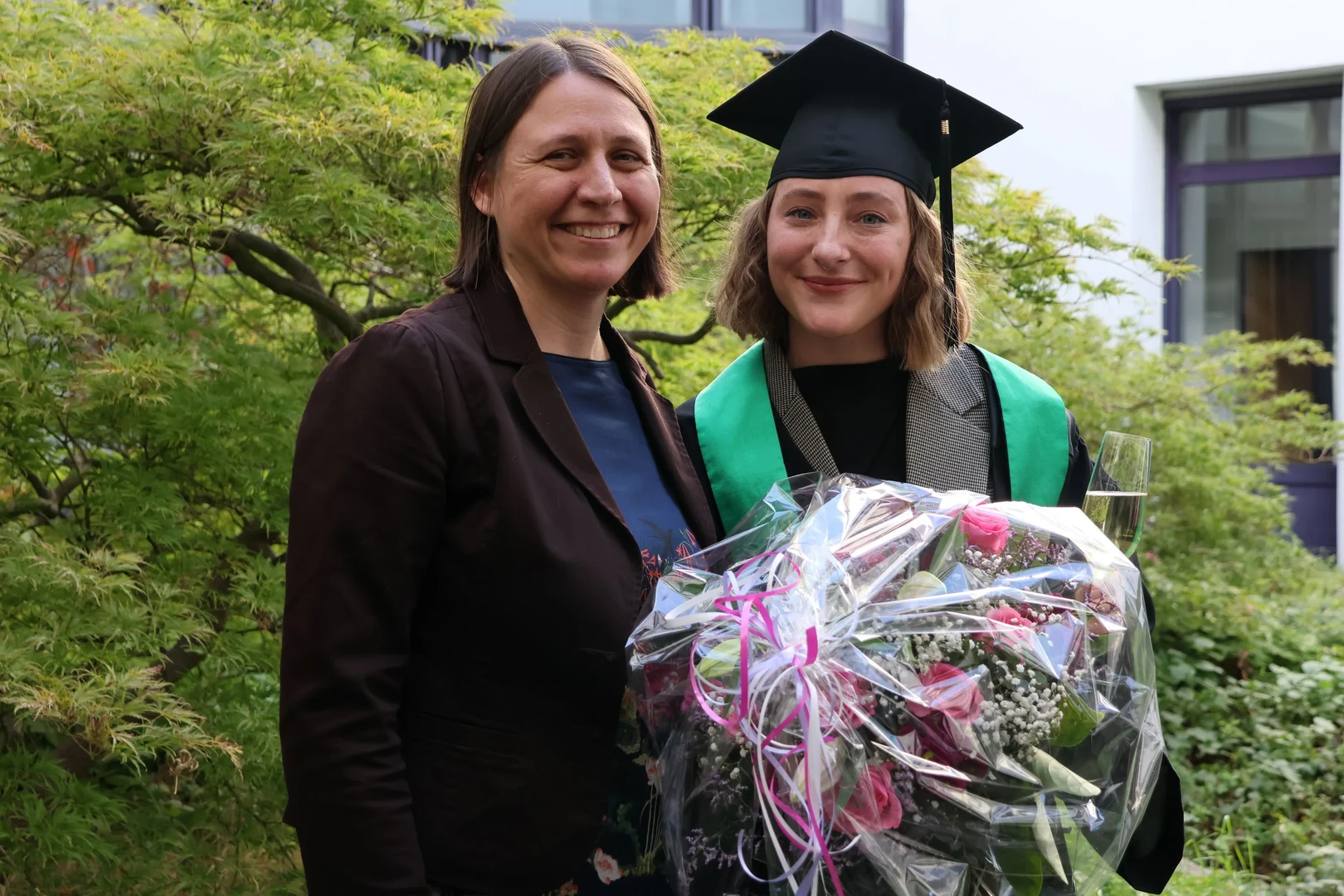
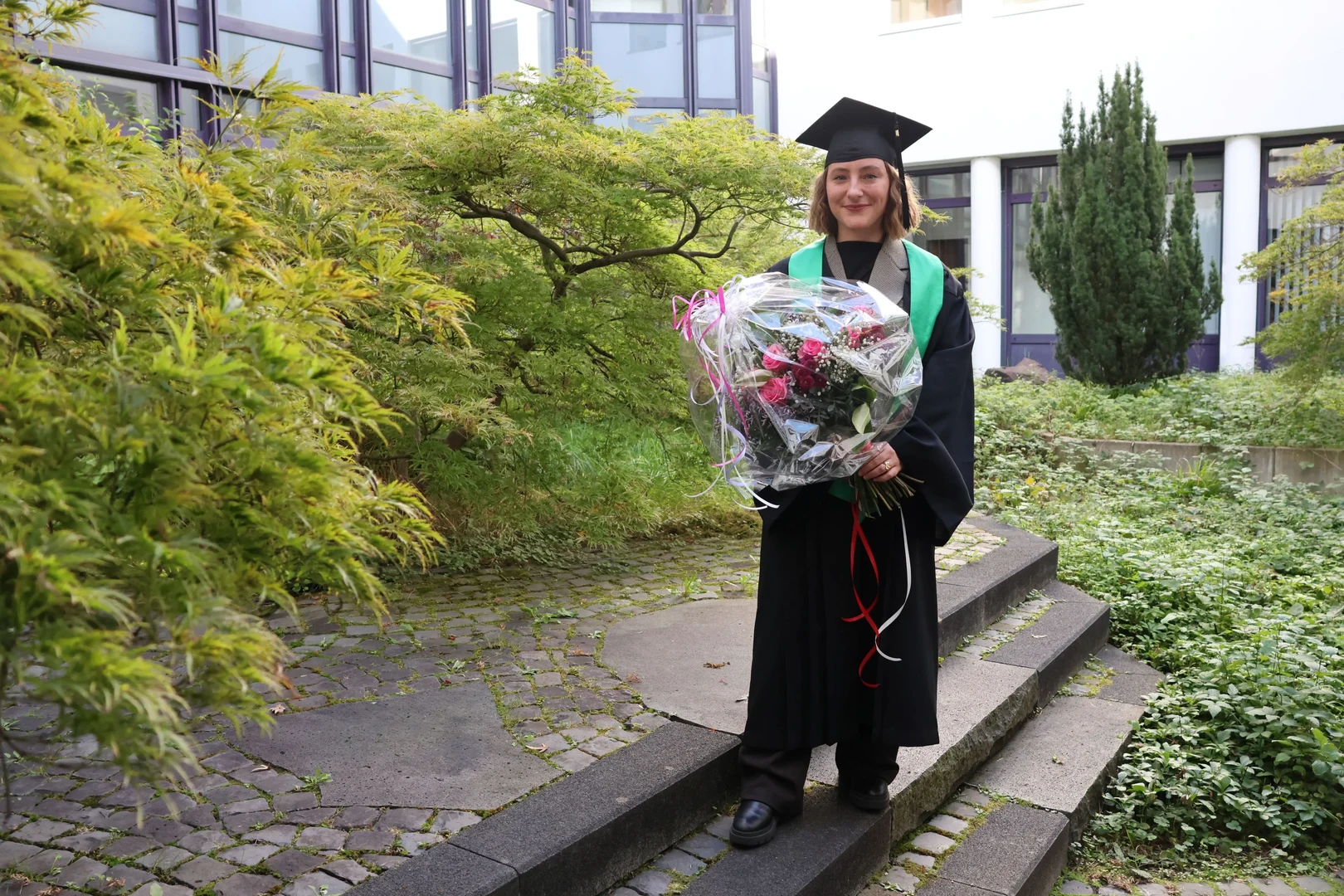
Sophia Falk at her graduation celebration
Sophia Falk at her graduation celebration © ZEF PR/vdveen
Download all images in original size The impression in connection with the service is free, while the image specified author is mentioned.
Please fill out this field using the example format provided in the placeholder.
The phone number will be handled in accordance with GDPR.

What is Sophia’s doctoral thesis about?

  • In my research, I investigated the true environmental impact of AI, considering not only CO2 emissions, but also the entire life cycle of its hardware and of 16 other environmental impact categories.

  • Along with my co-authors, I disassembled one of the most widely used graphics processing units (GPUs) for AI training — the Nvidia A100 — and had it analyzed chemically in a specialized recycling laboratory in France. The hardware contains 32 different elements, most of which are heavy metals with toxic properties.

  • Using this elemental composition data, I assessed the environmental impacts of training AI models such as GPT-4.

  • A second analysis that translates computing power into hardware needs shows that training GPT-4 alone required the equivalent of approximately 2,500 GPUs and almost four tons of raw materials.

Main takeaways

  • A life cycle assessment shows that electricity use causes most of the climate-related impacts, while producing the hardware is responsible for most harm to human health and depletion of mineral resources.

  • The AI-related burdens are distributed unevenly across the globe. Mining, chip production, and e-waste primarily affect people in the Global South, while the benefits of AI are concentrated in the Global North. 

Sophia's message

"AI is not as weightless and intangible as it may seem. Behind every chatbot are resource mines, factories, and e-waste sites, and we can measure their environmental impact beyond carbon emissions. The question is no longer how or where AI affects the environment, but rather, what policymakers, industry leaders, and users will do about it". 
Graph from Sophia Falk's doctoral thesis
Graph from Sophia Falk's doctoral thesis - Dissassembling the Nvidia A100, one of the most widely used graphics processing units for AI training © Sophia Falk
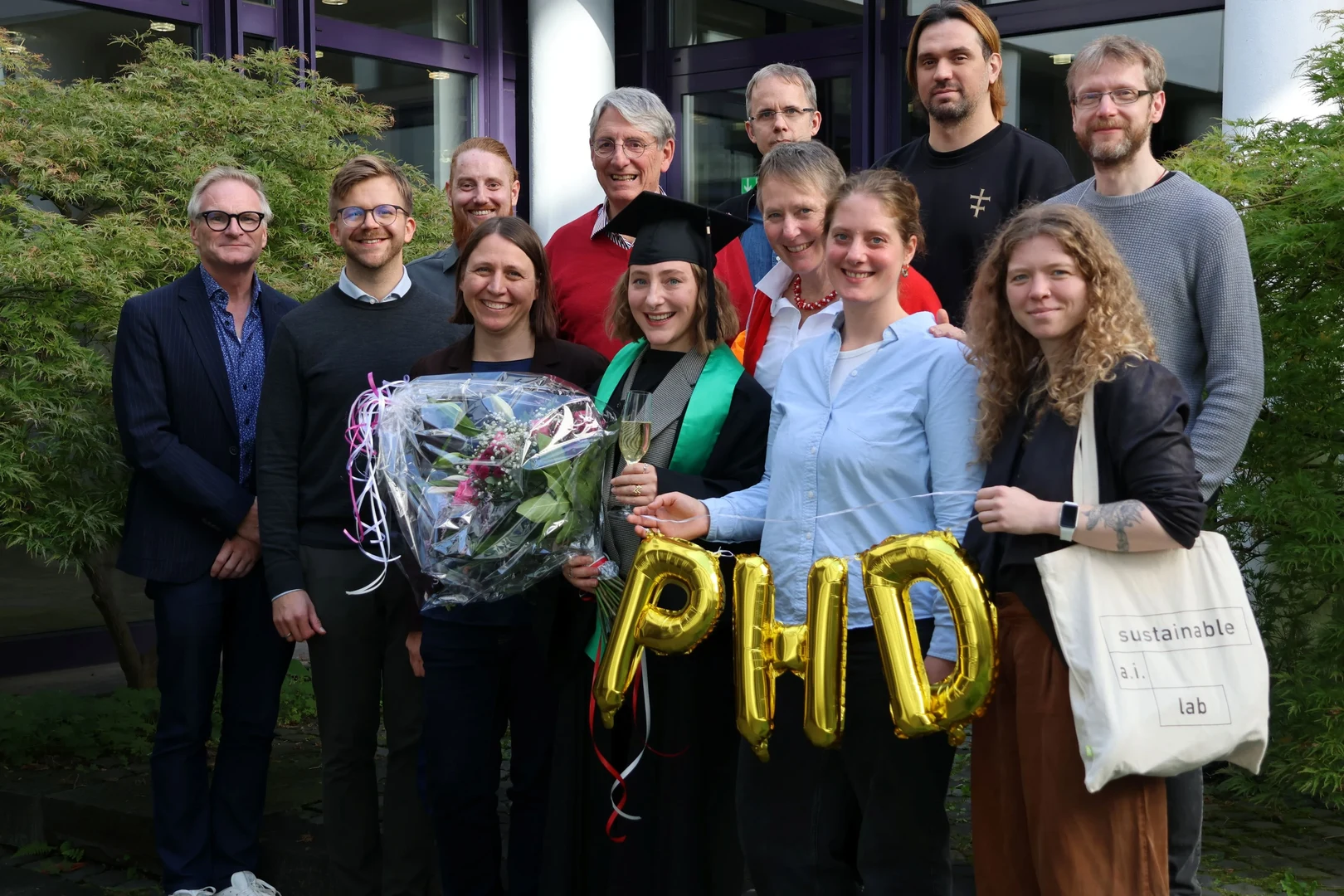
Sophia Falk at her graduation celebration at ZEF with friends, family and supervisors
Sophia Falk at her graduation celebration at ZEF with friends, family and supervisors © ZEF PR/vdveen
Sophia Falk at her graduation celebration with her first supervisor, Prof. Dr. Lisa Biber-Freudenberger
Sophia Falk at her graduation celebration with her first supervisor, Prof. Dr. Lisa Biber-Freudenberger © ZEF PR /vdveen
Sophia Falk at her graduation celebration at ZEF
Sophia Falk at her graduation celebration at ZEF © ZEF PR/vdveen

Our data is openly available and is already being used by life cycle assessment tools to measure the environmental footprint of AI for training and inference purposes.

Alexander von Humboldt Foundation in the framework of the Alexander von Humbolt Professorship for Artificial Intelligence endowed by the Federal Ministry of Research, Techology and Space (BMFTR) to Prof. Dr. Aimee van Wynsberghe.

Wird geladen