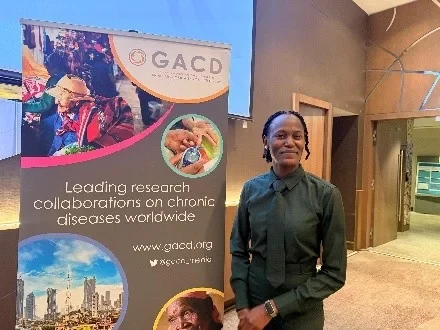
Key highlights of Rhodah Nekesa's presentation
- The school-adolescents in the three settings are doing considerably well in the consumption of seven food groups out of 15, in the ranges recommended by EAT-Lancet Commission.
- Health implication: The school-adolescents have the potential to improve their health: first, by maintaining the consumption of food groups such as whole fruits, nuts, and fish - which they are already doing well - and, second, by reducing intake of food groups that they are consuming in excessive amounts such as red and processed meat, eggs, added sugars, and, third, by increasing consumption of those taken in low amounts, such as vegetables and whole grains.
- Environmental implications: They could contribute to the reduction in diet-related greenhouse gas emissions by decreasing their intake of animal-sourced foods, which they are consuming in excessive amounts.