23. March 2026

“It is the dynamics of communication processes that can provide deeper insight into how transformative action is shaped at the collective level” Mayra Espinosa graduated on "Online communication and mobilization throughout the COVID-19 pandemic in Colombia"

Mayra Alejandra Martin Espinosa defended her thesis on Online communication and mobilization throughout the COVID-19 pandemic in Colombia

Mayra Alejandra Martin Espinosa defended her thesis on “Online communication and mobilization throughout the COVID-19 pandemic: The case of the Colombian non-governmental sector and their target populations in shaping transformative action”.

Her doctoral degree was granted by the Faculty of Arts at the University of Bonn.

Her Supervisor and First Reviewer was Prof. Dr. Eva Youkhana. Members of the Examination Committee were: Prof. Dr. Kristina Großmann (Head), Prof. Dr. Anna Katharina-Hornidge (Second Reviewer) and Prof. Dr. Gesa Birnkraut (External Member).

Mayra Alejandra Martin Espinosa
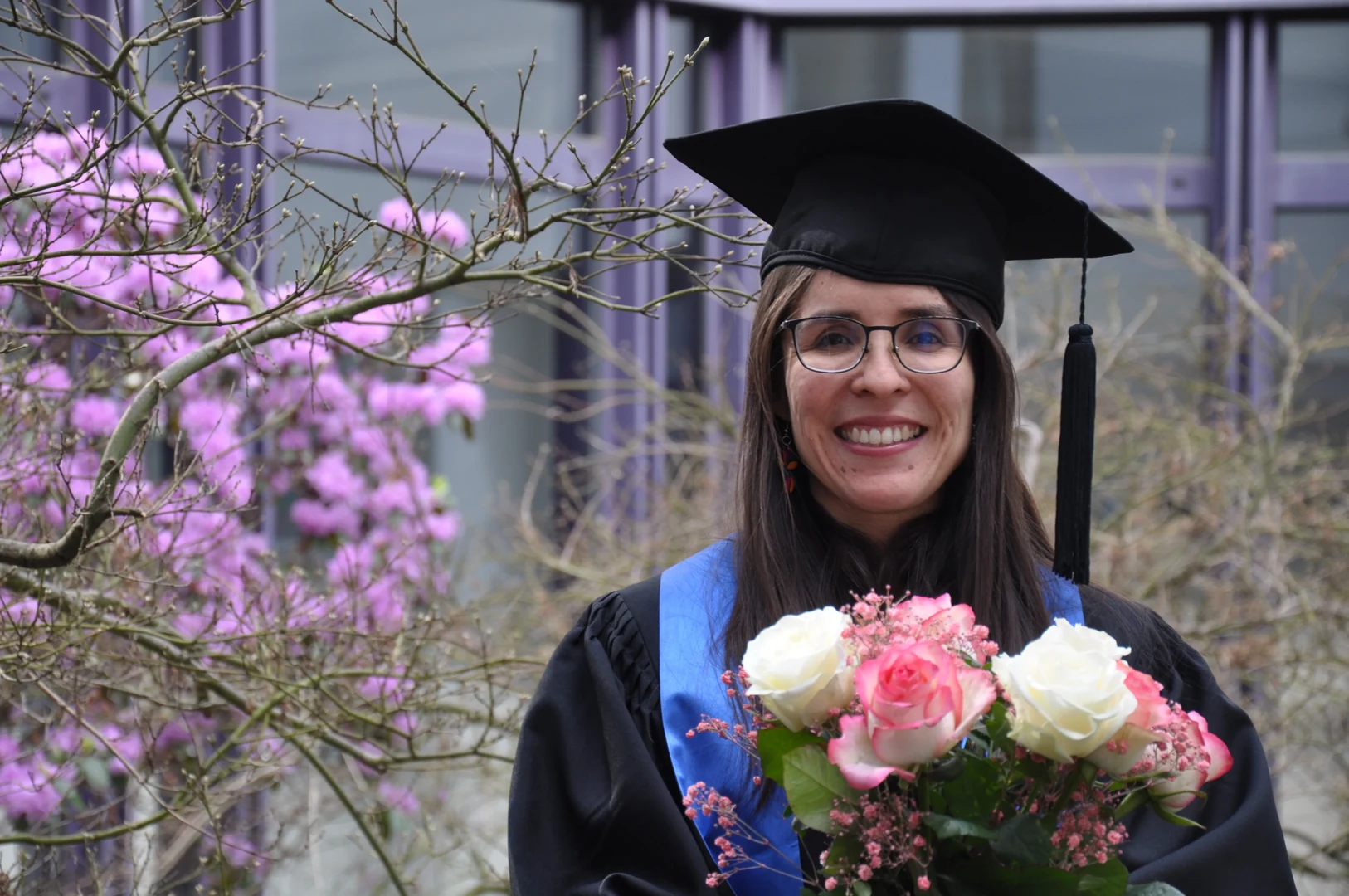
Mayra Alejandra Martin Espinosa - Mayra Alejandra Martin Espinosa after her successful defense at ZEF. © ZEF PR/Alma van der Veen
Download all images in original size The impression in connection with the service is free, while the image specified author is mentioned.
Please fill out this field using the example format provided in the placeholder.
The phone number will be handled in accordance with GDPR.

Main take-aways of Mayra's research

  • This doctoral research was conducted in Colombia during the COVID-19 pandemic. Colombia represents a distinctive case in Latin America and the Caribbean, marked by overlapping economic, social, and political crises, as well as a recent shift toward a progressive government.

  • The study pays particular attention to the digital boost that emerged in response to lock-downs and mobility restrictions implemented across the country.

  • This research focuses on Colombian non-governmental organizations (NGOs), which are key actors at the forefront of crises and central to processes of public policy, peace-building, and development.

  • During the pandemic, NGOs faced significant challenges in continuing their work in both rural and urban areas, particularly due to communication barriers that limited contact between organizations and with their target populations.

  • To address these disruptions, NGOs intensified their use of information and communication technologies.

  • This research examines online mobilization and online capacity building as examples of communication developments that emerged during this period.

  • These communication processes, enabled by information and communication technologies, contribute to shaping transformative action at both individual and collective levels.

  • In doing so, this research contributes to ongoing debates on development and digitalization by highlighting both the opportunities and pitfalls of online communication for fostering transformative action.

  • The results point to the importance of a hybrid mode of mobilization and capacity building that facilitates the creation of horizontal communication networks while maintaining a strong connection to local territorial contexts, where transformative action ultimately takes place.

Acknowledgments

"My special thanks go to the participants of this research, NGO directors and coordinators, community members, and capacity-building facilitators, as well as to professors, family members, friends, colleagues, and institutions for their constant and valuable academic, financial, technical, logistical, and emotional support throughout this doctoral journey".
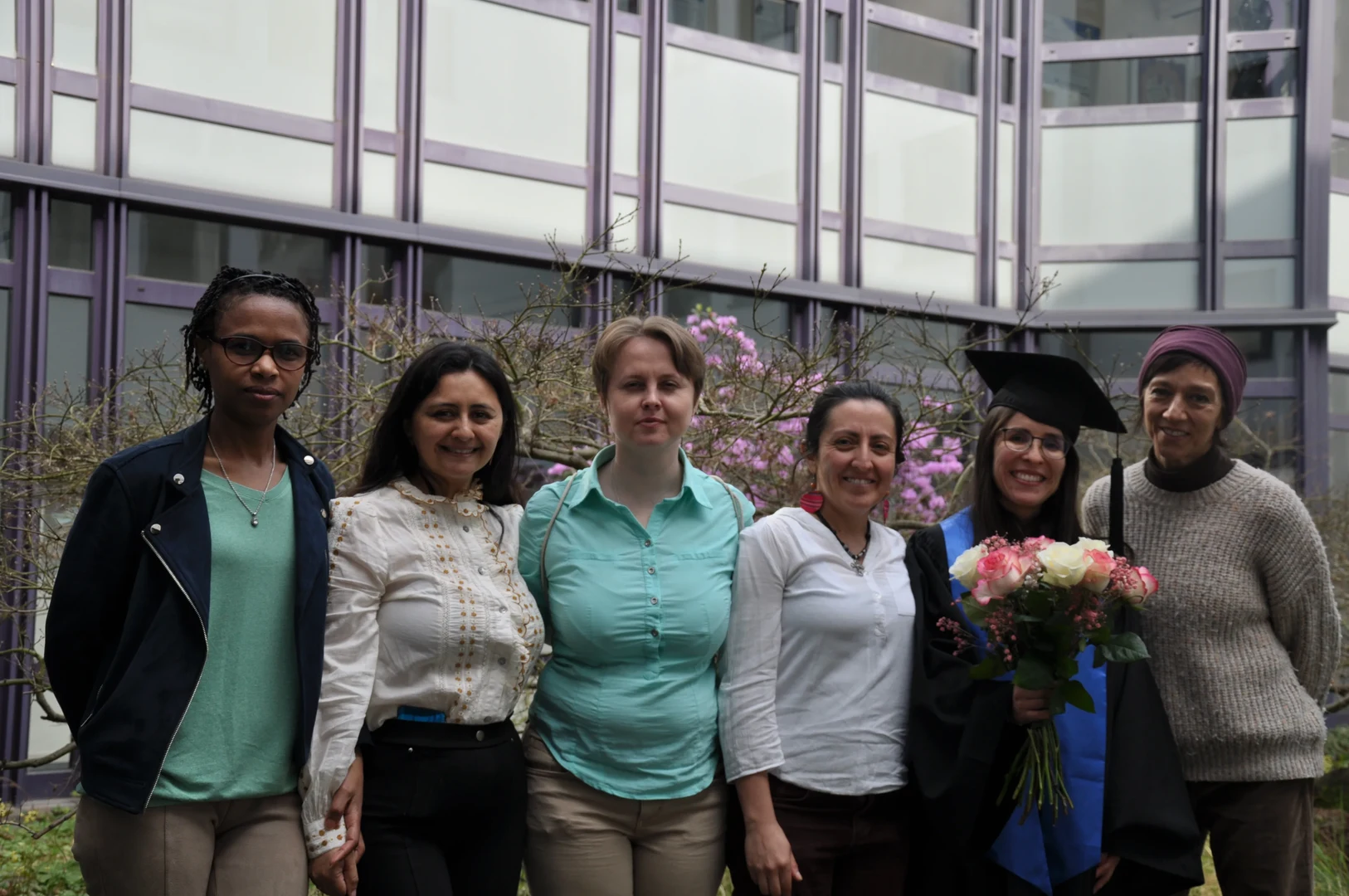
Mayra after her defense
Mayra after her defense - Mayra with her first supervisor Professor Eva Youkhana (right) and friends after her defense. © ZEF PR/Alma van der Veen

Information and Communication Technologies are part of the broader communication infrastructure involved in online mobilization and capacity building in the NGO sector and among its target populations. However, it is the dynamics of communication processes that can provide deeper insight into how transformative action is shaped at the collective level”.

EPOS Program of the German Academic Exchange Service (DAAD-EPOS) and Bonn University's International Office

Good leadership practices of NGOs Managers throughout the Covid-19 pandemic in Colombia, see https://doi.org/10.48769/opus-5012


Wird geladen