The consequences of biodiversity loss and land use change on infectious disease emergence (ArboEmerge)
The ArboEmerge project assessed the current and future risk of emergence of infectious zoonotic diseases amidst ecological, climate, and socio-economic changes in hotspots in Uganda. In particular, we explored spill-over infections in vectors, livestock, and humans to identify drivers of emerging arboviral diseases and propose preventive policies.

Keywords
Biodiversity, Land Use, Climate change, Arboviruses, Emerging Infectious Diseases
Countries
Germany and Uganda
Duration
2022 – 2026
Methodology
Using an inter-disciplinary approach, samples from mosquitoes, livestock, and humans in three less-disturbed ecosystems (Bwindi Impenetrable, Queen Elizabeth, and Murchison National Parks) and adjacent disturbed urban areas (Kasese and Arua Cities) were screened for pre-epidemic arboviruses. Identified arboviruses underwent molecular and phenotypic characterization, and phylogenetic analysis to describe their intra- and inter-host genetic diversity. Using phylogeographic analyses, we reconstructed the virus spatial movement. We built ecological niche models to assess the influence of different socioeconomic and ecological factors on the risk of virus transmission under current and future climatic and land use scenarios. We also applied Bayesian decision modelling approaches to assess the effectiveness of policy interventions in reducing the risk of virus transmission, given ecological changes.
Research findings were disseminated to the communities of Bwindi Impenetrable, Queen Elizabeth, and Murchison National Parks and Kasese and Arua Cities experiencing ecological disturbance. We highlighted how vector-borne risks are shaped by both pristine and human-modified landscapes, emphasizing risky behaviours and protective measures. During engagements with local district and national level stakeholders, we discussed opportunities and policy considerations for strengthening arboviral-risk prevention interventions through the lens of One Health.
Photo Gallery
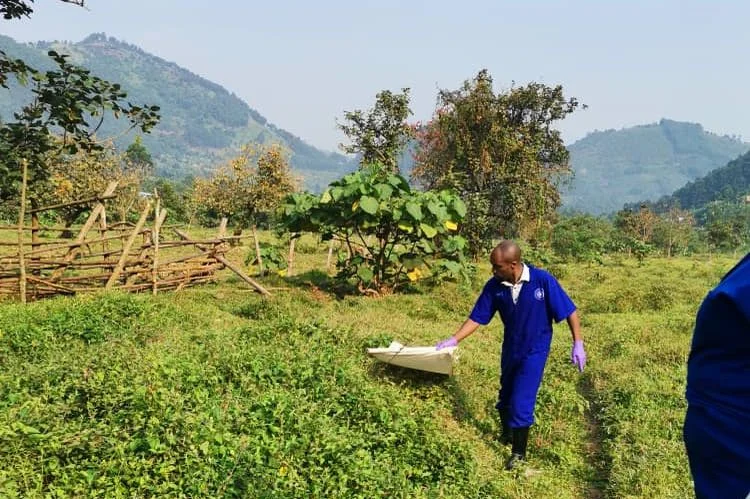
Field collection of ticks in Nkwenda village bordering Bwindi Impenetrable National Park.
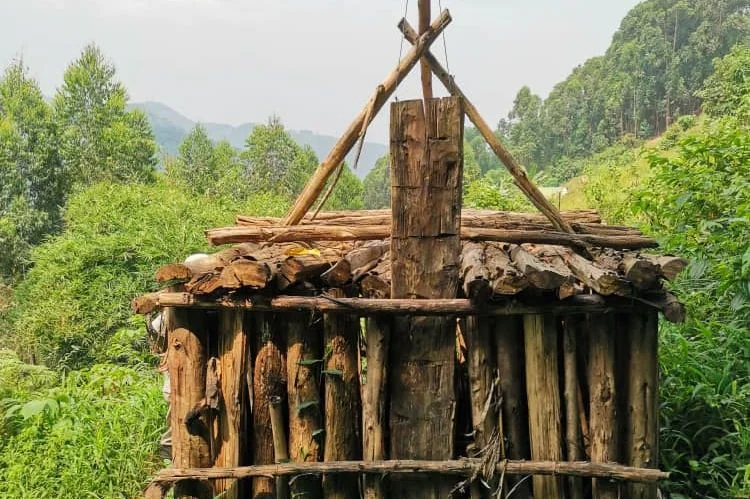
Trap for wild animals sighted around Mukono village bordering Bwindi Impenetrable National Park.
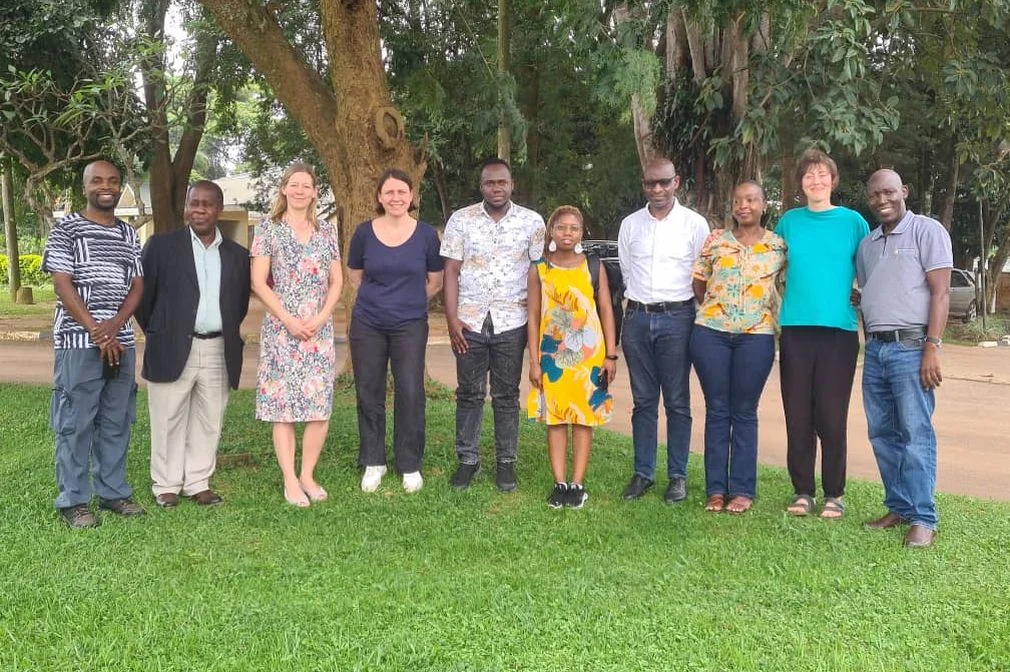
Research group during a meeting in Entebbe, Uganda.
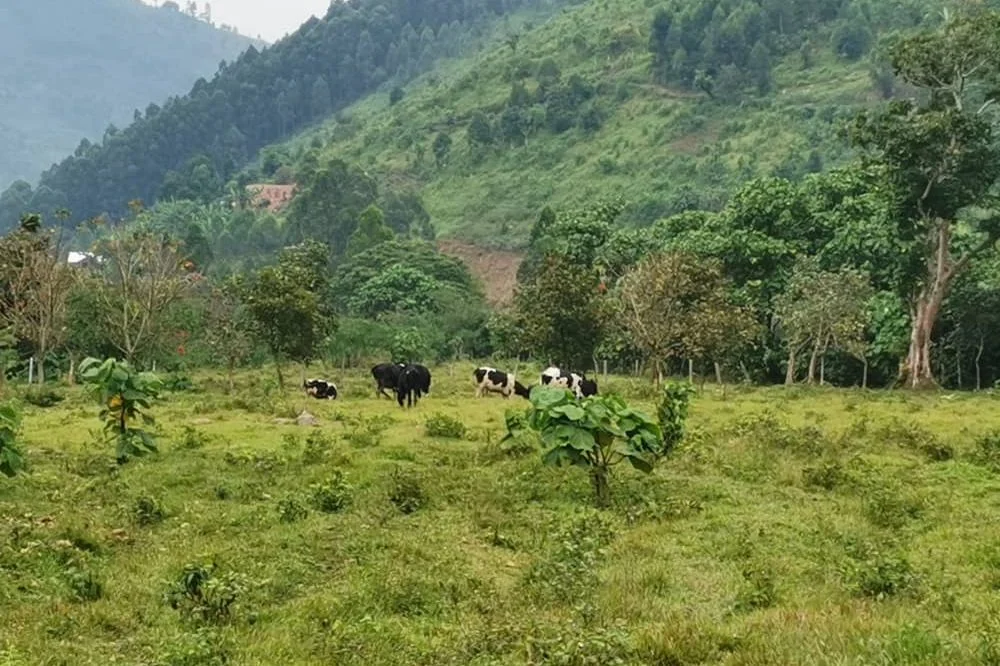
Livestock farm in Mukono village bordering Bwindi Impenetrable National Park.
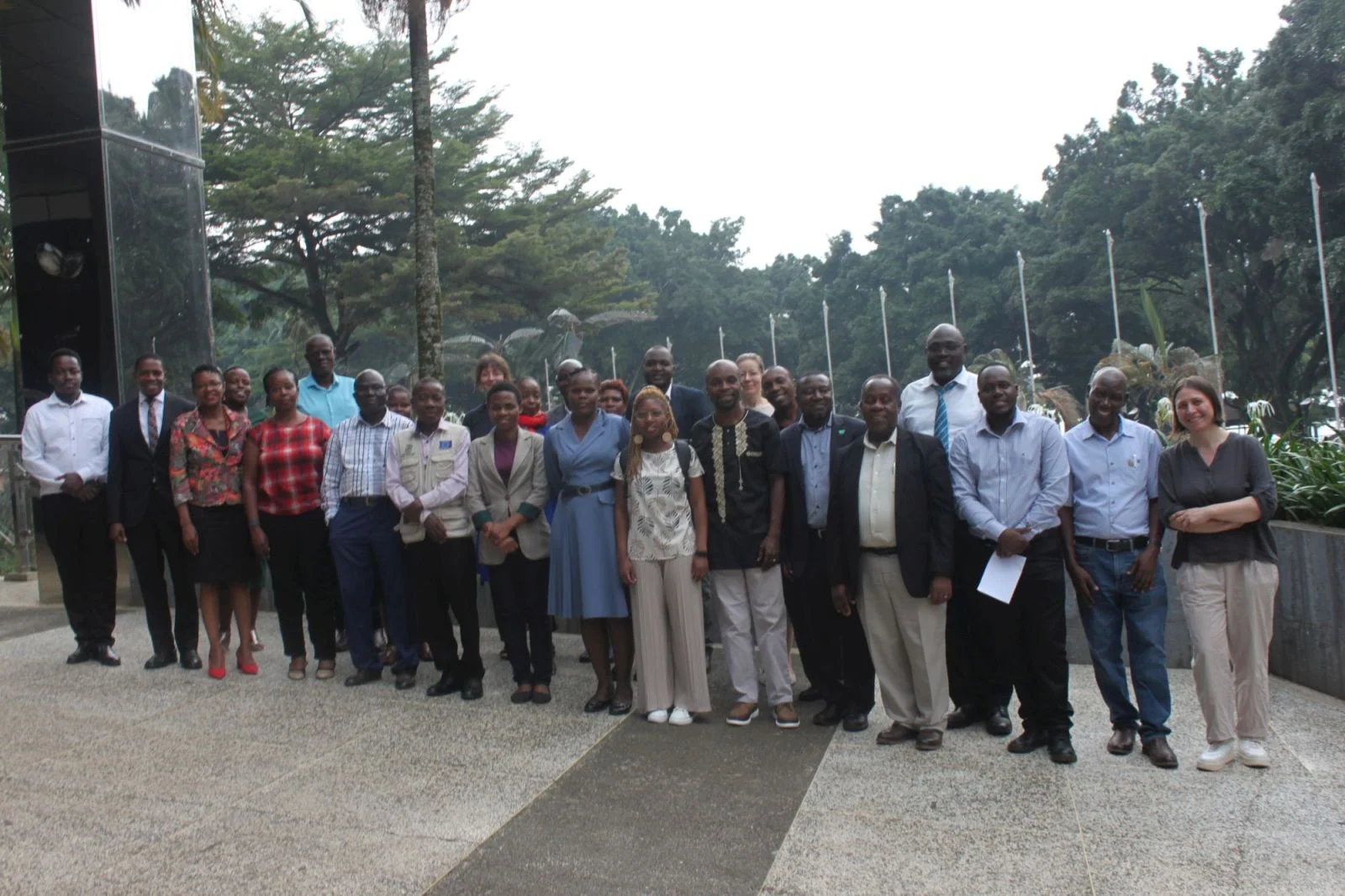
Meeting stakeholders during dissemination of results, Entebbe, Uganda.
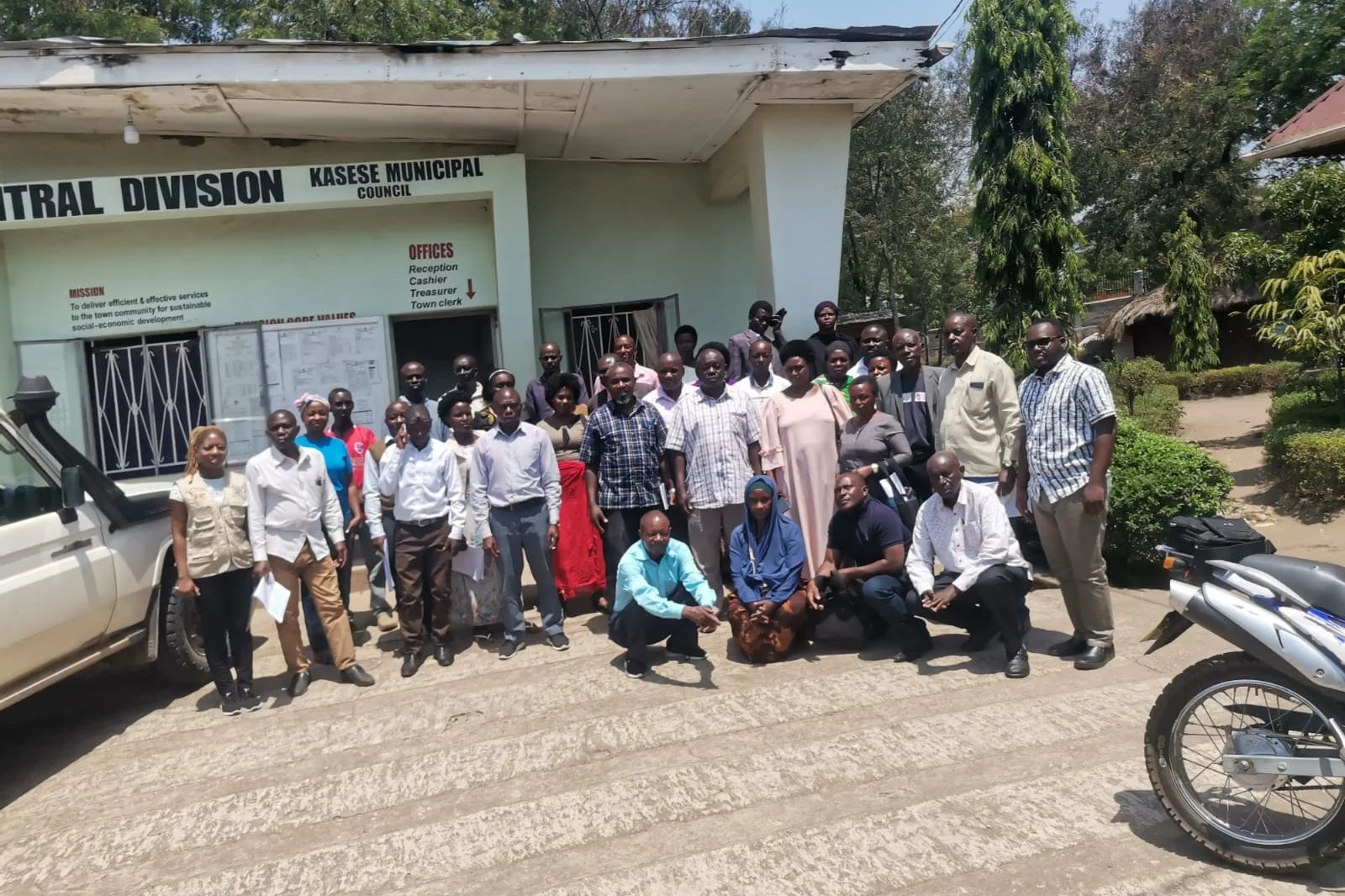
Meeting stakeholders during dissemination of results, Kasese, Uganda.
Publications
- Nabatanzi, M. Ecological niche and presence maps for Wesselsbron, Sindbis and Middelburg viruses and their vectors in Africa. Bonndata (2026). https://doi.org/10.60507/FK2/FWVXDH
- Role of climate and land-use changes in the risk of emerging mosquito-borne zoonotic diseases in Africa. https://www.tropentag.de/2025/abstracts/links/Nabatanzi_iF4HN5tk.pdf
- Nabatanzi, M. Data for Modeling the potential distribution of Wesselsbron, Sindbis, and Middelburg viruses and their vectors in Africa under future climatic and land-use changes. Bonndata (2025). https://doi.org/10.60507/FK2/LA6LJW
- Nabatanzi, M. Data for modelling policy decisions to mitigate risk of emerging arboviral diseases under ecological change in Uganda. Bonndata (2025). https://doi.org/10.60507/FK2/HJPDE6
- Nabatanzi M, Graff SL, Bigala KEE, Sabakaki PZ, Tindyebwa TA, et al. (2026) Modeling the potential distribution of Wesselsbron, Sindbis, and Middelburg viruses and their vectors in Africa under future climatic and land-use changes. PLOS Neglected Tropical Diseases 20(3): e0014072. https://doi.org/10.1371/journal.pntd.0014072
Partners
Main Cooperation Partners
- University of Bonn, ZEF
- Charité Universitätsmedizin Berlin
- Makerere University, Uganda
- Uganda Virus Research Institute
Main Funding Partner
- Deutsche Forschungsgemeinschaft (DFG)
Team
- Prof. Dr. Lisa Biber-Freudenberger, ZEF
- Prof. Dr. Sandra Junglen, Berlin
- Dr. Julius Lutwama, Uganda
- Dr. Anthony M. Nsubuga, Uganda
- Dr. Innocent B. Rwego, Uganda
- Erick Kigai, Uganda
- Peter Z. Sabakaki, Uganda
- Selina L. Graff, Berlin
- Teddy A. Tindyebwa, Uganda
- Maureen Nabatanzi, ZEF