PASTURES - Protected Areas for SusTainable nUtrition REsearch in Somaliland
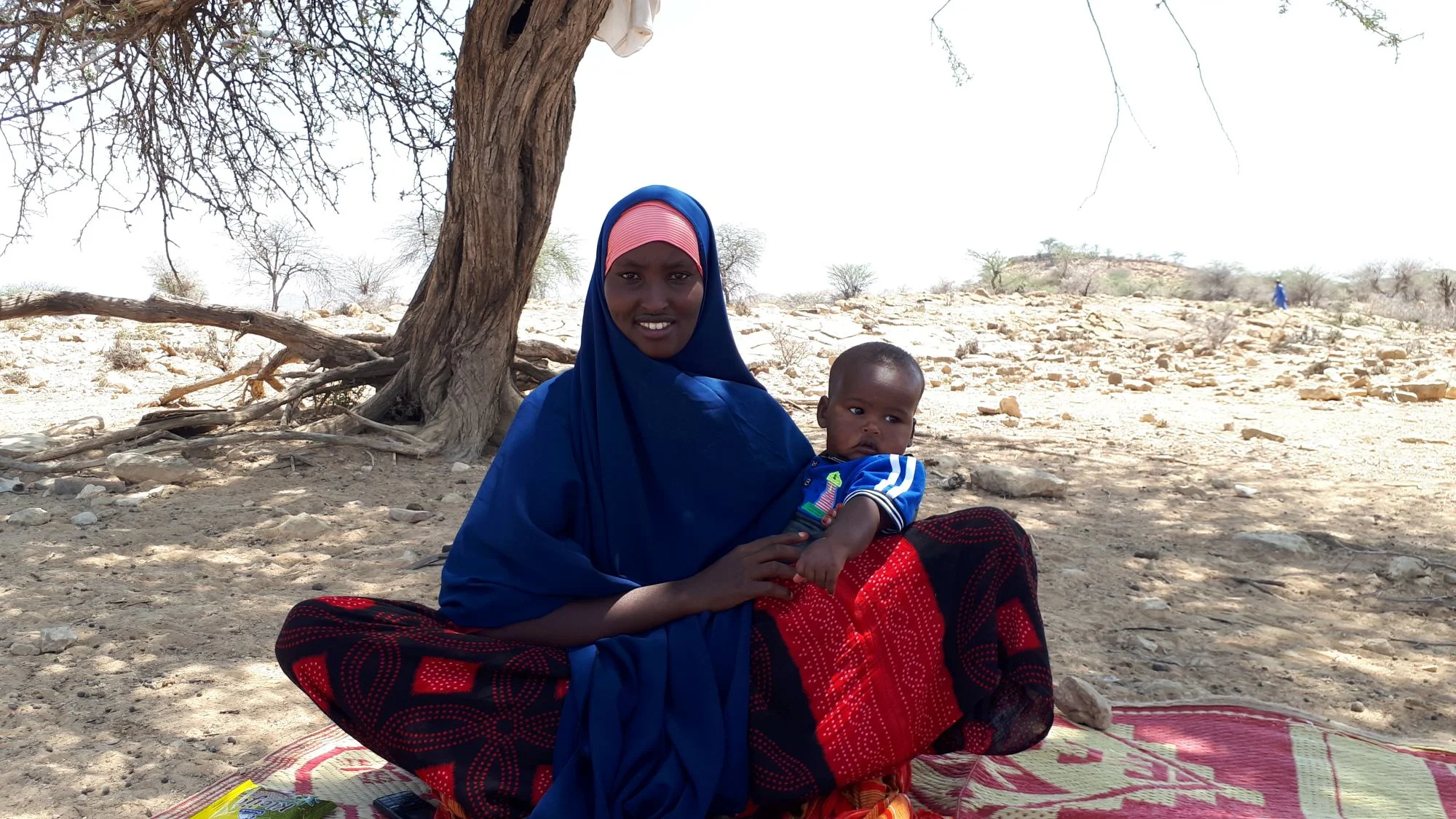
Protected Areas (PAs), such as national parks or reserves, are linked to improved human well-being in the Global South through mechanisms like better environmental quality and income generation, which can be used for healthcare investments and other benefits. However, evidence is limited for small-scale, community-managed PAs in regions like Somaliland, where agro-pastoralists and pastoralists rely on mobile, self-sufficient livelihoods. Restricting access to grazing lands in these areas may also have adverse effects on nutrition and health status of neighbouring communities. Potential risks, such as antimicrobial resistance and human-wildlife conflicts, further complicate the relationship between PAs and health. This study addresses gaps in understanding how PAs affect nutrition, health, and resilience in Somaliland’s unique agro-pastoralist context.
Keywords
Climate change adaptation; (agro)pastoralists; protected areas; maternal and child nutrition
Countries
Somaliland
Duration
01.07.2025 – 31.12.2028
Methodology
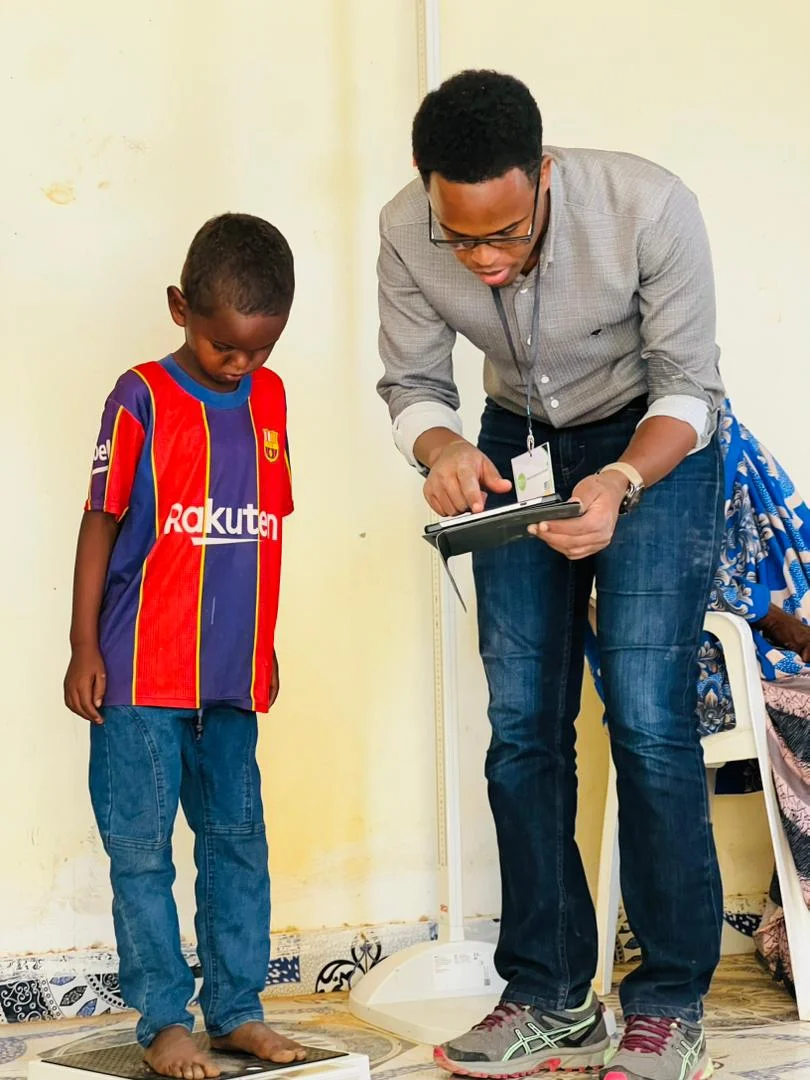
This study uses a mixed-methods design. First, we conduct a quasi-experiment, enrolling ~600 mother-child pairs (300 in villages close to newly established PAs and 300 in similar sites without a PA), with surveys done in the year of PA implementation and two years later. Quantitative data will include demographic and socio-economic characteristics, dietary behaviour, and child growth measurements. We will use difference-in-differences method to estimate the intervention effects. Second, qualitative data will be collected through Focus Group Discussions (FGDs) and applying a participatory impact mapping approach. We will explore community views on how PAs impact the pathways to change, including access to resources or income. We will synthesize quantitative and qualitative data to identify the characteristics of an optimal PA for nutrition and health benefits at the Horn of Africa. Third, the amplification potential of this optimal PA will be identified through in-depth interviews with key informants, including transfer to other regions and sustaining the success of projects.
Partners
Main Cooperation Partners
- Dr. Stefanie Griebel, Deutsche Welthungerhilfe e.V.

Main Funding Partner
-
Team
- Prof. Dr. Ina Danquah
- Dr. Maike Albers
- Mr. Ahmed Adan Jama (candidate PhD)