Understanding Just Transitions in Groundwater: Adaptation Futures under Climate Extremes
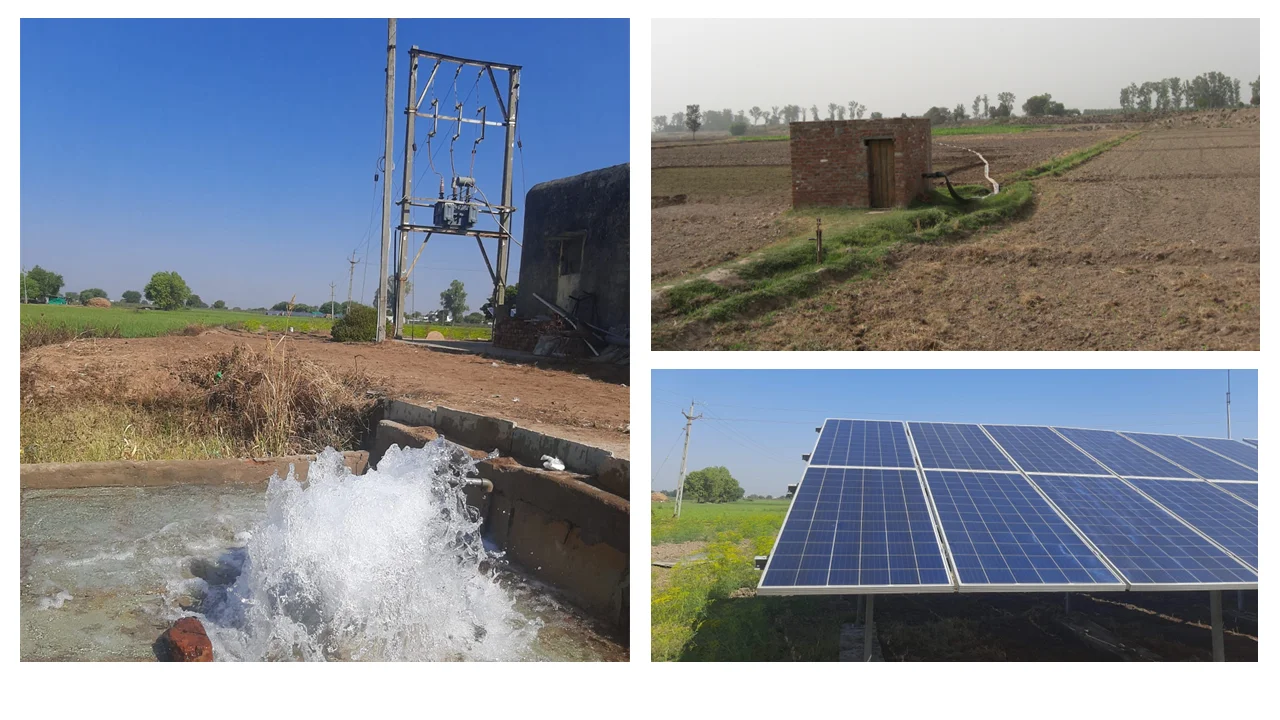
Groundwater is a critical yet often invisible infrastructure underpinning climate adaptation in regions facing increasing hydroclimatic extremes. This project examines how droughts, floods, heatwaves, and slow-onset processes such as salinisation interact with groundwater systems, governance, and livelihoods. Combining hydrological analysis with social science and participatory methods, the project investigates when groundwater irrigation supports adaptation and when it becomes maladaptive. Through comparative, interdisciplinary research, it aims to co-produce context-specific just transition pathways that ensure socially inclusive and ecologically sustainable groundwater use under escalating climate volatility.
Keywords
Groundwater governance; climate extremes; just transitions; adaptation; maladaptation, water justice; socio-hydrology; climate resilience
Countries
Multi-country comparative research, including countries in the Global South (Asia and Africa) and semi-arid regions of Europe
(to be finalised during project development)
Duration
Initial initiation phase: January–December 2026,
with a long-term research and funding horizon
of 5+ years
Methodology
The project adopts a mixed-methods, interdisciplinary approach, integrating:
- Hydrological analysis (groundwater monitoring data, climate records, satellite imagery, and modelling of recharge–extraction dynamics)
- Household and farm-level surveys on irrigation practices, adaptation strategies, and energy use
- Qualitative interviews with policymakers, water managers, and local institutions
- Participatory and creative methods (e.g. photovoice, community mapping, scenario workshops)
A comparative design across multiple countries enables the development of typologies of groundwater vulnerability, governance arrangements, and adaptation outcomes under climate extremes.
Partners
Main Cooperation Partners
- Centre for Development Research (ZEF), University of Bonn
- Institute of Development Studies (IDS), University of Sussex
- University of Oxford
- University College London (UCL)
Main Funding Partner
- Bonn Global Corporation Fund, University of Bonn, Germany
Team
- Prof. (Dr.) Anindita Sarkar – Centre for Development Research (ZEF), University of Bonn
- Dr.-Ing. Fazlullah Akhtar – Centre for Development Research (ZEF), University of Bonn
- Prof. Christian Borgemeister – Centre for Development Research (ZEF), University of Bonn
- Dr. Shilpi Srivastava – Institute of Development Studies (IDS), University of Sussex
- Dr. Kevin Grecksch – University of Oxford
- Prof. Mohammad Shamsudduha (Shams) – University College London (UCL)
- German_UK_PI_CoPI_Contributions