Health
A healthy population is a prerequisite for development, as only healthy societies can be productive and innovative. Throughout their development process societies undergo the so-called epidemiological transition, which entails a shifting burden of disease from infectious diseases to non-communicable diseases (NCDs). As a result, many countries are facing a double burden of disease, meaning that infectious diseases are still highly prevalent while NCDs are rapidly expanding. It is, therefore, necessary to promote health and prevent diseases, by employing both pathogenic and salutogenic approaches to health. On the one hand, understanding and tackling the social (and economic) determinants of health and on the other hand building surveillance, diagnostic and treatment capacities.
At ZEF, integrated (and interdisciplinary) health approaches, such as the One Health approach, are being utilized to understand the complexities of health and disease at the interface between humans, animals and the environment. Particularly our shared environment is understood as health determinant as well as a place of intervention. In the transdisciplinary “One Health and Urban Transformation” graduate school, ZEF is working with its partners in Brazil, Ghana and India to identify risks at the human-animal-environment nexus and develop interventions to achieve optimal health for all.
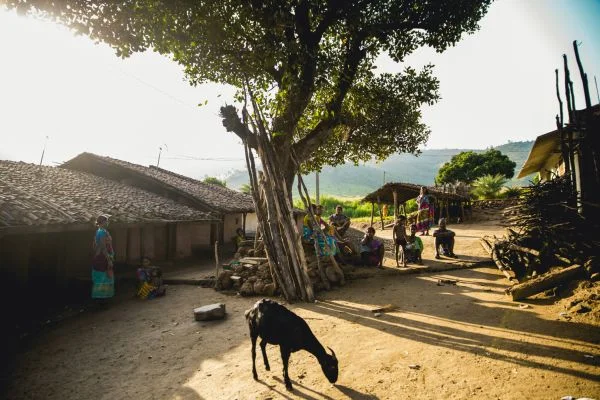
Village in India. Malaria and undernutrition are two of the biggest public health challenges in rural parts of India.
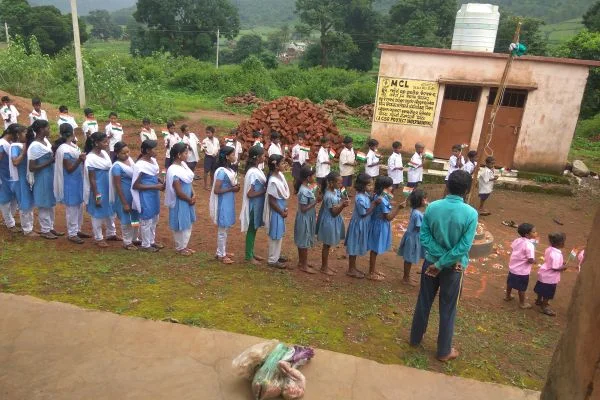
Public school in rural India.Targeting public health challenges in India requires collaborative and transdisciplinary research intiatives, such as those started by ZEF.
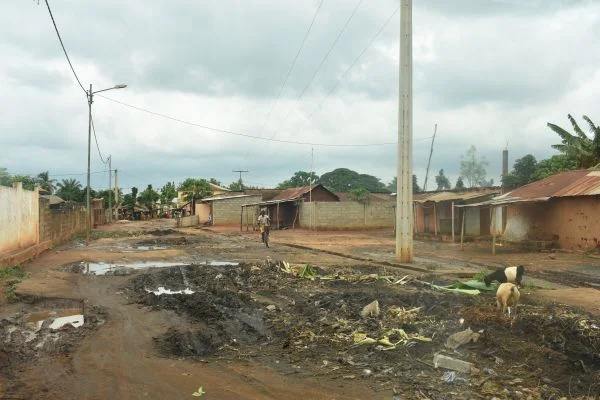
Street in the Democratic Republic of Congo. One Health research at ZEF has been looking into the interconnectedness of human, animal and environmental health.
ZEF Projects related to "Health"
Keywords
Sustainable health, adolescents, education, nutrition
Countries
Tanzania, Kenya, Burkina Faso
Summary
Changemaker addresses the increasing epidemic of adolescent obesity in urban sub-Saharan Africa. The project aims at co-designing, implementing, and evaluating the effects and the processes of a comprehensive sustainable health intervention in three exemplary sites: Ouagadougou, Burkina Faso; Dar es Salaam, Tanzania; Kisumu, Kenya. Ina Danquah and her team are coordinating this project together with Karolinska Institute, Stockholm, Sweden, and are responsible for the impact evaluation.
Methodology
The sustainable health intervention comprises of four evidence-based strategies: 1) urban farming in schools with satellite farms and organic waste composting, 2) sustainable health modules for classrooms, 3) linking to healthcare workers through health talks using motivational interviewing techniques, and 4) WHO Best Buys: Mass media campaign. Three cluster-RCTs in secondary schools, within the framework of urban Health and Demographic Surveillance Systems, implementation and process evaluation and cost-effective evaluation.
Main Cooperation Partners
- Prof. Kristi Sydney-Annerstedt, Karolinska Institutet (KI), Stockholm, Sweden
- Dr. Ali Sié, Centre de Recherche en Santé de Nouna (CRSN), Nouna, Burkina Faso
- Dr. Abdramane Soura, Institute Supérieure des Sciences de la Population, University of Ouagadougou (ISSP), Ouagadougou, Burkina Faso
- Prof. Pilvikki Absetz, Tampere University (TAU), Tampere, Finnland
- Prof. Marleen Temmerman, Aga Khan University (AKU), Nairobi, Kenya
- Sharon Chacha, Food Security for Peace and Nutrition (FSPN), Kenya
- Susan Adhiambo, Ministry of Agriculture, Livestock and Fisheries (DALF), Kisumu, Kenya
- Dr. Alice Ojwang Achieng, The Technical University of Kenya (TUK), Nairobi, Kenya
- Prof. Mary Mwanyika Sando, Africa Academy for Public Health (AAPH), Dar es Salaam, Tanzania
- Prof. Bruno Sunguya, Muhimbili University of Health and Allied Sciences (MUHAS), Dar es Salaam, Tanzania
- Prof. Wafaie Fawzi, Harvard Global Research and Support Services Inc. (Harvard), Boston, USA
Main Funding Partners
- European Commission: Horizon Europe
- HORIZON-HLTH-2023-DISEASE-03-03
Duration of the Project
4 years (01 Jan 2024 – 31 Dec 2027)
Project Homepage
https://changemaker.ki.se/
Team
- Prof. Dr. Ina Danquah
- Dr. Raissa Sorgho
- Grace Wothaya Kihagi (candidate PhD)
- Rhodah Nekesa (candidate PhD)
- Scarion Rupia (candidate PhD)
Contact
Prof. Dr. Ina Danquah, Phone.: +49-228-73-1970
Keywords
Climate change adaptation, fishing, subsistence farming, women, nutrition, health
Countries
Ghana
Summary
Individual and community-initiated climate change adaptation responses are promoted globally, but among vulnerable populations, evidence regarding their availability, implementation and impact on mediating climatic shocks in developing countries is scanty. We aim to identify the adaptation and coping mechanisms adopted by rural smallholder female farmers residing along the Ghana Volta lake and the mitigate effects on livelihoods, household food security and nutritional status. A framework showing the climate adaption strategies and the linkage with household livelihoods, food security and nutritional status will be developed and used to inform a future intervention study. An immediate step will be advocacy program to encourage policy revision and practical actions to support smallholder framers to be climate-sensitive and more climate-adaptive.
Methodology
In this triangulated sequential explanatory mixed-methods study, we shall interview 442 adult females engaged in predominant crop and fish farming in rural communities along the Volta Lake using the climate coping and adaptation strategies assessment tool. The quantitative data in the first sequel will measuring indices that quantifies actual and perceived climate risk vulnerability, adaptation strategies and the intensity of impact of climatic hazards on family income, food stocks and undernutrition. Participants found to adapt very positively or negatively to agriculture climatic stress will be interviewed in the qualitative phase to understand in-depth the triggers of the adaptive or maladaptive coping skills. The responses shall be rated using Likert-type questions and the scores weighted to derive patterns using principal component analysis and other data-tailored regression models and triangulated with the textual data to generate a linkage of the adaptive capacity. At the end of the 12-month project period, we expect to quantify and link the impacts of climate adaptation strategies on mediating the livelihoods and nutritional stocks to inform evidence-based policy and practical actions particularly for smallholder farmers and other vulnerable populations.
Main Cooperation Partners
Dr. Faith Agbozo, University of Health and Allied Sciences (UHAS), Ho, Ghana
Main Funding Partners
German Academic Exchange Service (DAAD)
Duration of the Project
2 years (01 Mar 2022 – 28 Feb 2023)
Team
- Prof. Dr. Ina Danquah
- Marian Abrafi Osei (candidate PhD)
Contact
Prof. Dr. Ina Danquah, Phone.: +49-228-73-1970
Keywords
Climate change adaptation, undernutrition, rural sub-Saharan Africa, children
Countries
Kenya, Burkina Faso
Summary
This project is part of the larger Research Unit “Climate Change and Health in sub-Saharan Africa”, for which Ina Danquah serves as the spokesperson. This subproject addresses the forecasted agricultural losses based on the current CO2 emissions until 2050 and their consequences for the nutritional status of children under-5 years of age living in two selected regions of sub-Saharan Africa. The subproject determines the potential of an integrated agriculture and nutrition program as an adaptation strategy to improve the children’s nutritional status for climate-sensitive nutrients in rural Burkina Faso and Kenya, where climate change will impact agriculture most strongly. The intervention focuses on bio-diversification of subsistence farming by home gardens, and is accompanied by nutrition and health counselling using the 7 Essential Nutrition Action messages by the World Health Organization. For sub-Saharan Africa, bio-diversification constitutes one of the most promising and practicable adaptation strategies for CO2-dependent agricultural losses, for both, the absolute amounts of crops and for the plant contents of protein, iron and zinc. As a novelty, P2 identifies the controversially discussed, potential effects of such an agriculture and nutrition program on the risk of clinical malaria in children under-5 years of age.
Methodology
In the first project phase, the adaptation program was tailored to the needs of the Kenyan region in collaboration with Siaya County Ministries of Health and Agriculture and the non-governmental organization Centre for African Bio-Entrepreneurship (CABE). We determined the horticultural crops to be cultivated and the practicability and the acceptability of the program. A cluster-randomized controlled trial with 2 x 600 households was implemented. We recruited households with children at the age of complementary feed introduction (6-24 months) and followed them up for 1 year. In phase 2 of the project, we will establish the effects of the intervention program on changes in dietary habits, the status of climate-sensitive nutrients, and the risk of clinical malaria among the children after 2 years. We will define the necessary investments to scale-up such intervention programs to the provincial, state, and national levels. Lastly, we will generate adaptation-response functions characterizing the effects of the agricultural bio-diversification and nutrition counselling program under future climate scenarios.
Main Cooperation Partners
- Dr. Erick Muok and Dr. Stephen Munga, Kenya Medical Research Institute (KEMRI)-Kisumu, Center for Global Health Research (CGHR), Kisumu, Kenya
- Dr. Ali Sié, Centre de Recherche en Santé de Nouna (CRSN), Nouna, Burkina Faso
- Prof. Till Bärnighausen, Prof. Manuela De Allegri, Prof. Joacim Rocklöv, Dr. Sandra Barteit, Dr. Aditi Bunker, Heidelberg Institute for Global Health (HIGH), Heidelberg University, Heidelberg, Germany
- Prof. Harald Grethe, International Agricultural Trade and Development, Humboldt University Berlin (HUB), Berlin, Germany
- PD Dr. Martina Maggioni, Institute for Physiology, Charité – Universitaetsmedizin Berlin, Berlin, Germany
- Prof. Christoph Gornott, Prof. Hermann Lotze-Campen, Dr. Katja Frieler, Dr. Fred Hattermann, Potsdam Institute for Climate Impact Research (PIK), Potsdam, Germany
- Prof. Penelopé Vounatsu, Swiss Tropical and Health Institute (Swiss TPH), Basel, Switzerland
- Prof. Harald Kunstmann, Karlsruhe Institute for Technology (KIT), Garmisch-Partenkirchen, Germany
Main Funding Partners
- German Research Foundation (DFG) – FOR2936 Climate Change and Health in sub-Saharan Africa (Kenya)
- Robert Bosch Foundation (RBS) – Robert Junior Professorship 2019 (Burkina Faso)
Further information
The project:
Full Version: https://www.youtube.com/watch?v=dCaPuISjx4w
Short Version: https://www.youtube.com/watch?v=q3SQd2QQKrM
The principal investigator: https://www.youtube.com/watch?v=qFJJFP1RqXg
Publications
- Hansen L-S, Wothaya Kihagi G, Agure E, Muok EMO, Mank I, Danquah I, Sorgho R. Sustainable home gardens in Western Kenya: A qualitative study for co-designing nutrition-sensitive interventions. J Rural Studies. 2023 Sep 18;103:103132. doi:10.1016/j.jrurstud.2023.103132
- Beloconi A, Nyawanda BO, Bigogo G, Khagayi S, Obor D, Danquah I, Kariuki S, Munga S, Vounatsou P.
Malaria, climate variability, and interventions: modelling transmission dynamics. Sci Rep. 2023 May 5;13(1):7367. doi: 10.1038/s41598-023-33868-8. - Mank I, Sorgho R, Zerbo F, Kagoné M, Coulibaly B, Oguso J, Mbata M, Khagayi S, Muok EMO, Sié A, Danquah I. ALIMUS-We are feeding! Study protocol of a multi-center, cluster-randomized controlled trial on the effects of a home garden and nutrition counseling intervention to reduce child undernutrition in rural Burkina Faso and Kenya. Trials. 2022 Jun 1;23(1):449.
- Yeboah E, Kuunibe N, Mank I, Parisi D, Bonnet E, Lohmann J, Hamadou S, Picbougoum BW, Belesova K, Sauerborn R, Bärnighausen T, Danquah I, De Allegri M. Every drop matters: Combining population-based and satellite data to investigate the link between lifetime rainfall exposure and chronic undernutrition in children under five years in rural Burkina Faso. Environ Res Letters. 2022 Apr;17(5):054027
- Hansen L-S; Sorgho R; Mank I; Schwerdtle P N; Agure E, Bärnighausen T, Danquah I. Home gardening in sub-Saharan Africa: A scoping review on practices and nutrition outcomes in rural Burkina Faso and Kenya. Food and Energy Security. 2022;00:e388.
- Gottlieb-Stroh T, Souares A, Bärnighausen T, Sié A, Zabre SP, Danquah I. Seasonal and socio-demographic patterns of self-reporting major disease groups in north-west Burkina Faso: an analysis of the Nouna Health and Demographic Surveillance System (HDSS) data. BMC Public Health. 2021 Jun 9;21(1):1101.
- Mank I, Vandormael A, Traoré I, Ouédraogo WA, Sauerborn R, Danquah I. Dietary habits associated with growth development of children aged < 5 years in the Nouna Health and Demographic Surveillance System, Burkina Faso. Nutr J. 2020 Aug 9;19(1):81.
- Yeboah E, Bunker A, Dambach P, Mank I, Sorgho R, Sié A, Munga S, Bärnighausen T and Danquah I (2021). Transformative Adaptations for Health Impacts of Climate Change in Burkina Faso and Kenya. African Handbook of Climate Change Adaptation; 2485-2500.
Duration of the Project
2 phases of each 3 years (01 Jan 2020 – 31 Dec 2025)
Project Homepage
https://cch-africa.de/
Team
- Prof. Dr. Ina Danquah
- Anaïs Gonnet (project coordinator)
- Erick Agure (candidate PhD)
- Grace Wothaya Kihagi (candidate PhD)
- Sayouba Dianda (candidate PhD)
- Fanta Zerbo (candidate PhD)
- Katharina Westphal (candidate Dr. med.)
Contact
Prof. Dr. Ina Danquah, Phone.: +49-228-73-1970
Keywords
Migration, malaria, sub-Saharan Africa, modelling
Countries
India, Burkina Faso
Summary
The overarching goal of the project is to develop data-driven mathematical models and frameworks that account for ecological, epidemiological, and demographic principals related to human migration behaviour and spatiotemporal spread of malaria parasites, using mathematical (especially, game theory), statistical, and computational methods. The project aims to delineate the interaction of population dynamics with spatial and demographic structure and apply the models to real disease data (e.g., malaria in sub-Saharan Africa (SSA)).
Methodology
We will establish mathematical models and estimate key determinants and parameters that account for human behaviour in migration and malaria endemicity, using disease (malaria) and demographic and socioeconomic database from countries in SSA.
Main Cooperation Partners
- Dr. Ali Sié and Dr. Pascal Zabre, Centre de Recherche en Santé de Nouna (CRSN), Nouna, Burkina Faso
- Prof. Samit Bhattacharyya, Shiv Nadar Institution of Eminence (SNIoE), Dehli, India
Main Funding Partners
German Academic Exchange Service (DAAD)
Duration of the Project
2 years (01 Sep 2022 – 31 Aug 2024)
Team
- Prof. Dr. Ina Danquah
- Dr. Pascal Zabre
Contact
Prof. Dr. Ina Danquah, Phone.: +49-228-73-1970
Keywords
Dietary diversity, dietary patterns, climate change, resilience, sub-Saharan Africa
Countries
Ivory Coast, Benin, Ghana, Liberia, Nigeria, Cameroon, Uganda, Kenya
Summary
Various forms of malnutrition, including hunger, micronutrient deficiencies and non-communicable diseases caused by unbalanced nutrition, threaten food security in Africa. The project HealthyDiest4Africa is based on the central hypothesis that diversification of the food system helps to combat all forms of malnutrition while minimizing its environmental footprint. To this aim, we w ill monitor dietary diversity in eight African countries representing different regions, and develop target group-specific metrics to measure the diversity of the food system and its health outcomes. In the HD4A project, Danquah and her team are responsible for mapping and monitoring dietary diversity across 8 countries in sub-Saharan Africa.
Methodology
A production-oriented cluster of the project will explore environmentally sustainable options to diversity food production that specifically address the nutritional requirements identified for the target populations. This includes the development of novel and biofortified crop varieties, utilization of orphan crops with high nutritional value, and diversification of cropping systems and food processing technology. We will link these efforts with a consumption-oriented cluster exploring the consumer acceptance, food safety, and nutritional health effects of diet diversification options. The best solutions that contribute to healthy diets via diversification while also promoting environmental health will be up-scaled via a network of food system stakeholders in eight African countries. HealthyDiets4Africa will also devise communication and policy strategies to maximize outreach and impact of diversified food systems. Thereby the project will help to develop safe, healthy and affordable diets by adopting a diversification strategy that will simultaneously reduce the pressure of food production on the environment.
Main Cooperation Partners
- Prof. Michael Frei, Justus-Liebig-University Gießen (JLU), Gießen, Germany
- Dr. Sali Atanga Ndindeng, AfricaRice (AR), Abidjan, Ivory Coast
- Dr. Irmgard Jordan, International Plant Genetic Resources Institute (IPGRI) and Alliance Bioversity, Nairobi, Kenya
Main Funding Partners
- European Commission, Horizon Europe
- HORIZON-CL6-2022-FARM2FORK-01
Duration of the Project
6 years (01 Jan 2023 – 31 Dec 2028)
Project Homepage
https://www.hd4a.eu
Team
- Prof. Dr. Ina Danquah
- Mahir Bhatt (candidate PhD)
- Phoebe Nabunya (candidate PhD)
- Rebecca Schindlmayr (candidate Dr. med.)
Contact
Prof. Dr. Ina Danquah, Phone.: +49-228-73-1970
Keywords
Climate change mitigation, health co-benefits, facility-based nutrition intervention, hospitals
Countries
Germany
Summary
The project 'Climate Change mitigation in Hospitals by Optimizing Supply Chains' (KliOL) aims to create a greenhouse gas calculator for hospitals with a special focus on greenhouse gas emissions from supply chains ("Scope 3" emissions) using Heidelberg University Hospital (UKHD) as an example. In parallel, exemplary climate change measures will be implemented at the UKHD and evaluated with regard to their impact on the greenhouse gas balance, financial aspects and possible health effects. Ina Danquah and her team have developed a cafeteria-based sustainable diet intervention and identified the impacts on dietary practices, physical and mental wellbeing, greenhouse gas emissions, and costs of the diet.
Methodology
In this quasi-experiment, plant-based menus and educational material on sustainable diets were provided in the largest cafeteria of a German hospital for 3 months. Regular customers (>1/week) in this cafeteria and in a cafeteria without the intervention completed a questionnaire about their socio-demographic and dietary characteristics before and after the intervention period. We also estimated greenhouse gas emissions (GHGE) from food intake by Life-Cycle Analysis (LCA) and documented the opportunity costs, staff costs, and monetary costs of the implementation. Difference-in-differences approaches were used to define the effects on sustainable dietary practice, wellbeing, GHGE, and costs.
Main Cooperation Partners
- Dr. Alina Herrmann, Heidelberg Institute for Global Health (HIGH), Heidelberg University, Heidelberg, Germany
- Dr. Bernd Franke, Institute for Energy and Environment Research (ifeu), Heidelberg, Germany
Main Funding Partners
German Federal Ministry for Economy and Climate Protection (BMWK) – National Climate Protection Initiative (NKI)
Duration of the Project
3 years (01 Sep 2021 – 31 Aug 2024)
Project Homepage
https://www.klinikum.uni-heidelberg.de/klimaschutz-in-kliniken-durch-optimierung-der-lieferketten-kliol
Team
- Prof. Dr. Ina Danquah
- Laura Harrison (candidate Dr. med.)
Contact
Prof. Dr. Ina Danquah, Phone.: +49-228-73-1970
Keywords
Land use, conflicts, synergies, Agenda 2030, agriculture, land degradation, biodiversity loss, agriculture, gender, climate change, health, Science Policy Interface
Countries
Africa particularly East Africa and Sub-Saharan Africa: Kenya, Tanzania, Egypt, Sudan
Summary
In LANUYSNCON, we try to answer urgent questions about the efficient and sustainable use of natural resources. This requires the conceptual and practical involvement of different perspectives, actors and research fields. Using case study in sub-Sahara Africa, particularly in Kenya and Tanzania, we examine the complex trade-offs between different Sustainable Development Goals (SDGs).
The aim is to provide results that will help to understand and consider impacts of land use decisions beyond the respective policy sector in order to promote coherent land use policies.
Methodology
- Dynamic Bayesian network analysis
- Decision modelling
- Structured interviews
- GIS analysis
Main Cooperation Partners
- Dr. David Amudavi (Biovision Africa Trust)
- Charles Meshack (Tanzania Forest Conservation Group)
- Professor Aletta Bonn (German Centre for Integrative Biodiversity Research /iDiv)
- Professor Dr. Jan Börner (Institute for Food and Resource Economics /ILR, the University of Bonn)
- Professor Dr. Pierre Ibisch (Center for Econics and Ecosystem Management, the University for Sustainable Development Eberswalde /HNEE)
- Dr. Thomas Dietz (Institute for Political Science /IFPOL, the University of Münster)
- Dr. Guido Schmidt-Traub (United Nations Sustainable Development Solutions Network /SDSN)
- Dr. Claire Brown (UNEP World Conservation Monitoring Center /WCMC)
- Dr. Cory Whitney (the University of Bonn’s Horticulture Institute)
Main Funding Partners
Policy Briefs
- Road Development and Conservation: Infrastructure Planning in Biodiversity Hotspots
by Philipo J. Mtweve, Pierre Ibisch & Lisa Biber-Freudenberger, ZEF Policy Brief No. 60
Download
- Diversification opportunities in Agriculture
by Hannah Kamau & Lisa Biber-Freudenberger, ZEF Policy Brief No. 61
Download
- Designing cost-effective incentives for Tanzania’s ecological corridors
by Qambemeda M. Nyanghura, Jan Börner & Lisa Biber-Freudenberger, ZEF Policy Brief No. 62
Download
- Strengthening Science – Policy Interfaces for Coherent and Sustainable Land Use
by Sara Velander, Lisa Biber-Freudenberger & Thomas Dietz, ZEF Policy Brief No. 63
Download
Publications
- Velander, S. (2025). From silos to synergy: Mapping institutional collaboration across global environmental science–policy interfaces. Environmental Science & Policy, 170, 104126. https://doi.org/10.1016/j.envsci.2025.104126
- Biber-Freudenberger, L., Bogner, C., Bareth, G., Bollig, M., Dannenberg, P., Diez, J. R., Greiner, C., Mtweve, P. J., Klagge, B., Kramm, T., Müller-Mahn, D., Moseti, V., Nyamari, N., Ochuodho, D. O., Kuntashula, E., Theodory, T., Thorn, J. P. R., & Börner, J. (2025). Impacts of road development in sub-Saharan Africa: A call for holistic perspectives in research and policy. iScience, 28(2), 111913. https://doi.org/10.1016/j.isci.2025.111913
- Mtweve, P., Eustace, A., Nyanghura, Q., Moseti, V., Kramm, T., Ibisch, P., & Biber-Freudenberger, L. (2025). An Integrated Decision Support Framework for Sustainable Road Planning in Biodiversity Hotspots. Nature Portfolio. https://doi.org/10.21203/rs.3.rs-7419361/v1
- Nyanghura, Q. M., Biber-Freudenberger, L., & Börner, J. (2025). Designing conservation-incentives for Tanzania’s ecological corridors : cost-effectiveness and behavioral determinants. https://agris.fao.org/search/en/providers/125217/records/68514f45aab9439e79fc1971
- Nyanghura, Q. M., Börner, J., & Biber-Freudenberger, L. (2024). Motivational drivers and the effectiveness of conservation incentives. Frontiers in Sustainable Food Systems, 8. https://doi.org/10.3389/fsufs.2024.1493672
- Biber-Freudenberger, L., Valander, S., & Mahmoud, N. A. M. (2024). Shaping sustainable futures through international agreements. Rural21 - the International Journal for Rural Development. https://www.rural21.com/english/a-closer-look-at/detail/article/shaping-sustainable-futures-through-international-agreements.html
- Souza, P. O., Callo-Concha, D., Kamau, H., De Souza Fernandes, L. C., Zabini, C., & Biber-Freudenberger, L. (2024). Are stakeholders aware of the contributions of ecosystem services for their Well-Being? A case study of a UNESCO geopark project in Brazil. Human Ecology, 52(6), 1203–1216. https://doi.org/10.1007/s10745-024-00558-6
- Nyanghura, Q. M., Biber-Freudenberger, L., & Börner, J. (2024). Incentives for biodiversity conservation under asymmetric land ownership. Ecological Economics, 219, 108152. https://doi.org/10.1016/j.ecolecon.2024.108152
- Kamau, H., Roman, S., & Biber-Freudenberger, L. (2023). Nearly half of the world is suitable for diversified farming for sustainable intensification. Communications Earth & Environment, 4(1). https://doi.org/10.1038/s43247-023-01062-3
- Wagner, N., Velander, S., Biber-Freudenberger, L., & Dietz, T. (2022). Effectiveness factors and impacts on policymaking of science-policy interfaces in the environmental sustainability context. Environmental Science & Policy, 140, 56–67. https://doi.org/10.1016/j.envsci.2022.11.008
- Velander, S., Martinelli, F. S., Sari, D. I., Ali, F., & Biber-Freudenberger, L. (2021). A dichotomy of domestic and academic pathways: challenges of motherhood in an international doctoral program on land science. Journal of Land Use Science, 17(1), 226–244. https://doi.org/10.1080/1747423x.2021.2015002
Duration of the Project
1 July 2020 to 30 June 2025
Team
- Jun.-Prof. Lisa Biber-Freudenberger
- Hannah Nyakio Kamau
- Philipo Jacob
- Qambemeda Masala Nyanghura
- Sara Velander
- Fatima Salaheldin Ali
- Nady Mahmoud
Contact
Jun.-Prof. Lisa Biber-Freudenberger, Phone.: +49-228-73-1726
Summary
The Malabo Montpellier Panel works to accelerate progress towards sustainable food systems transformation in Africa. It identifies areas of progress and positive change across the continent and assesses what successful countries have done differently. It identifies and analyses the most important policy and institutional innovations and programmatic interventions that can be replicated and scaled up by other countries.
The Malabo Montpellier Panel, co-chaired by Dr. Ousmane Badiane (Executive Chairperson, AKADEMIYA2063) and Prof. Joachim von Braun (Distinguished Professor, University of Bonn), convenes 18 leading experts in agriculture, ecology, nutrition, and food security to facilitate policy innovation by African governments to accelerate progress towards sustainable food systems transformation in Africa.
The affiliated Malabo Montpellier Forum provides a platform to promote policy innovation by using the evidence produced by the Panel to facilitate dialogue and exchange among high-level decision-makers on African food systems transformation, climate change adaptation, and mitigation. The Forum is co-chaired by H.E. Hailemariam Dessalegn, former Prime Minister of Ethiopia, and H.E. Assia Bensalah Alaoui, Ambassador at Large to His Majesty Mohamed VI, the King of Morocco.
Main Cooperation Partners
AKADEMIYA2063
Main Funding Partners
- The German Federal Ministry for Economic Cooperation and Development (BMZ)
- The African Development Bank (AfDB)
- The United States Agency for International Development (USAID)
Publications
- Malabo Montpellier Panel Brochure
- Malabo Montpellier Panel Factsheet
All other publications can be found on the project website.
Duration of the Project
01.01.2023 - 31.12.2026
Project Homepage
https://www.mamopanel.org/
Team
Panel Members
Contact
Prof. Dr. Joachim von Braun, Phone.: +49-228-73-1800
Keywords
Climate change impacts, malaria, dietary habits, cardio-metabolic health, young adults
Countries
Ghana
Summary
The main goal of this project is to establish robust understanding of the distributions, the risk factors, and the potential prevention strategies of cardio-metabolic diseases among young adults living in Ghana, with a focus on the role of early-life exposure to malaria. Cardio-metabolic conditions have risen tremendously in Ghana, but data on the cardio-metabolic state of adolescents and young adults are scarce. This lack of basic epidemiological information among adolescents and young adults has also been acknowledged for the behavioral risk factors, such as dietary practices, smoking habits, alcohol consumption, and sedentary behavior. Previous evidence pin-points towards an interlinkage between early-life exposure to malaria and the development of cardio-metabolic conditions in later life. The proposed mechanisms comprise malaria-specific inflammatory processes that alter brain structures and epigenetic profiles, restrictions in growth and function of major cardio-metabolic organs, as well as altered gut microbiota. Up to now, only fragmented research has been conducted to determine the contributions of early-life malaria exposure to the development of risk factors as well as cardio-metabolic conditions in sub-Saharan Africa. Therefore, the specific objectives of this project are i) characterizing the cardio-metabolic profiles and associated behavioral risk factors of young adults in three sites in Ghana; ii) determining the causal impact of early-life exposure to malaria on the cardio-metabolic profiles and associated dietary risk factors among these young adults; and iii) establishing the population’s readiness for an integrated program for the prevention of cardio-metabolic conditions, focusing on malaria prevention and dietary modifications during the first 1000 days of life.
Methodology
Methodologically, this project relies on three large randomized, controlled trials that were conducted 20 years ago to prevent clinical malaria during infancy. These former infants are re-invited to participate in the present study. We anticipate to retrieve 60% of them. They will be invited to the examination centers at nearby hospitals and health facilities. Trained personnel will conduct questionnaire-based interviews focusing on dietary practices, physical examinations incl. anthropometric measurements, venous blood sample collection, and laboratory analysis, incl. HbA1c, fasting glucose, hemoglobin concentration (Hb), malaria rapid test and microscopy, as well as blood lipids. To achieve objective i), we will apply descriptive statistics and appropriate graphical representations of cardio-metabolic conditions, by age group, sex, and early-life malaria status. For objective ii), we will employ instrumental variable analysis using the assignment to the former intervention group as the proxy to malaria protection, and various dietary and cardio-metabolic parameters as the outcomes. For objective iii), we will use an established readiness framework to determine the level of intervention readiness from in-depth interview data.
Main Cooperation Partners
- Dr. Yaw Ampem Amoako and Dr. Samuel Adjei, Kwame Nkrumah University of Science and Technology (KNUST), Kumasi, Ghana
- Prof. Jürgen May, Bernhard-Nocht-Institute of Tropical Medicine (BNITM), Hamburg, Germany
- Prof. Frank Mockenhaupt, Institute for Tropical Medicine and International Health (ITMIH), Charité – Universitaetsmedizin Berlin, Berlin, Germany
- Prof. Abdulai Abubakari, University for Development Studies (UDS), Tamale, Ghana
- Dr. Faith Agbozo, University of Health and Allied Sciences (UHAS), Ho, Ghana
- Prof. Abraham Oduro, Research and Development, Ghana Health Service (GHS), Accra, Ghana
- Prof. Daniel Chandramohan, London School of Hygiene and Tropical Medicine (LSHTM), London, United Kingdom
Main Funding Partners
University of Bonn, Transdisciplinary Research Area “Technology and Innovation for Sustainable Futures” (TRA6)
Publications
- Utomo DAM, Andriolo V, Bärnighausen T, Danquah I. Linking malaria in pregnancy with dietary behavior of the next generation. Brain Behav Immun. 2019 Aug;80:1-3.
- Bedu-Addo G, Alicke M, Boakye-Appiah JK, Abdul-Jalil I, van der Giet M, Schulze MB, Mockenhaupt FP, Danquah I. In utero exposure to malaria is associated with metabolic traits in adolescence: The Agogo 2000 birth cohort study. J Infect. 2017 Nov;75(5):455-463.
- Buchholz U, Kobbe R, Danquah I, Zanger P, Reither K, Abruquah HH, Grobusch MP, Ziniel P, May J, Mockenhaupt FP. Multiplicity of Plasmodium falciparum infection following intermittent preventive treatment in infants. Malar J. 2010 Aug 26;9:244.
- Danquah I, Dietz E, Zanger P, Reither K, Ziniel P, Bienzle U, Mockenhaupt FP. Reduced efficacy of intermittent preventive treatment of malaria in malnourished children. Antimicrob Agents Chemother. 2009 May;53(5):1753-9.
- Aponte JJ, Schellenberg D, Egan A, Breckenridge A, Carneiro I, Critchley J, Danquah I, Dodoo A, Kobbe R, Lell B, May J, Premji Z, Sanz S, Sevene E, Soulaymani-Becheikh R, Winstanley P, Adjei S, Anemana S, Chandramohan D, Issifou S, Mockenhaupt F, Owusu-Agyei S, Greenwood B, Grobusch MP, Kremsner PG, Macete E, Mshinda H, Newman RD, Slutsker L, Tanner M, Alonso P, Menendez C. Efficacy and safety of intermittent preventive treatment with sulfadoxine-pyrimethamine for malaria in African infants: a pooled analysis of six randomised, placebo-controlled trials. Lancet. 2009 Oct 31;374(9700):1533-42.
- Mockenhaupt FP, Reither K, Zanger P, Roepcke F, Danquah I, Saad E, Ziniel P, Dzisi SY, Frempong M, Agana-Nsiire P, Amoo-Sakyi F, Otchwemah R, Cramer JP, Anemana SD, Dietz E, Bienzle U. Intermittent preventive treatment in infants as a means of malaria control: a randomized, double-blind, placebo-controlled trial in northern Ghana. Antimicrob Agents Chemother. 2007 Sep;51(9):3273-81.
Duration of the Project
Start in October 2023
Team
- Prof. Dr. Ina Danquah
- Marian Abrafi Osei (candidate PhD)
Contact
Prof. Dr. Ina Danquah, Phone.: +49-228-73-1970
Keywords
Diabetes mellitus, OMICS, dietary patterns, migration, ethnicity, adults
Countries
South Africa, Ghana, The Netherlands, Sweden
Summary
The OPTIMA project constitutes a primary prevention project with a personalized approach to combat the growing global prevalence of type 2 diabetes (T2D) and impaired glucose tolerance (IGT), collectively termed dysglycaemia. Specifically, this project addresses the differences in the pathophysiology of T2D by ethnicity and sex, which so far, has not resulted in respective guidelines for the prevention of T2D. Therefore, the overarching goal of the OPTIMA project is to develop ethnic- and sex-specific clinically feasible and cost-effective algorithms for the early prediction of dysglycaemia to inform culturally acceptable preventative dietary modifications in European and SSA populations. In the OPTIMA project, Danquah and her team lead the work on the statistical analysis of proteomics data and the identification of dietary patterns related to candidate biomarkers.
Methodology
We work with prospective cohort data from two African cohorts (South African and Ghanaian) and one European cohort (Swedish adults). The study uniquely combines proteomics and metabolomics to identify known and novel ethnic- and sex-specific biomarkers that will not only provide pathophysiological insights into dysglycaemia in different populations, but also improve early prediction of dysglycaemia in European and African populations. We will also identify objective biomarkers reflecting differences in diet that relate to risk of dysglycaemia across European and African populations, which will be used to inform targeted dietary modifications for primary prevention of T2D in the different populations. The cost-effectiveness of the targeted dietary modifications, as well as the perceptions among target populations regarding these early preventative strategies will be assessed in the respective countries (South Africa, Ghana, Germany, Sweden) to inform future implementation of personalised prevention strategies.
Main Cooperation Partners
- Prof. Julia Goedecke, South African Medical Research Council (SAMRC), South Africa
- Prof. Tommy Olsson, Umeå University (UMU), Umeå, Sweden
- Prof. Rikard Landberg, Chalmers University of Science and Technology (Chalmers), Gothenburg, Sweden
- Prof. Charles Agyemang, University Medical Center Amsterdam, University of Amsterdam (AMC), Amsterdam, The Netherlands
Main Funding Partners
- German Federal Ministry for Education and Research (BMBF)
- ERAPerMed – Prevention in Personalized Medicine
Publications
- Katte JC, Sibomana L, Hapunda G, Cikomola JC, Abidha CA.Diabetes in sub-Saharan Africa: what are the next steps? Lancet Diabetes Endocrinol. 2022 Nov;10(11):766-768. doi: 10.1016/S2213-8587(22)00274-1.
- Bonsu Osei T, Mank I, Sorgho R, Nayna Schwerdtle P, Hövener C, Fischer F, Razum O, Danquah I. Aetiological research on the health of migrants living in Germany: a systematic literature review. BMJ Open. 2022 May 30;12:e058712.
- Osei TB, van Dijk AM, Dingerink S, Chilunga FP, Beune E, Meeks KAC, Bahendeka S, Schulze MB, Agyemang C, Nicolaou M, Holleboom AG, Danquah I. Reduced Rank Regression-Derived Dietary Patterns Related to the Fatty Liver Index and Associations with Type 2 Diabetes Mellitus among Ghanaian Populations under Transition: The RODAM Study. Nutrients. 2021 Oct 20;13(11):3679
Duration of the Project
3 years (01 Jan 2023 – 31 Dec 2025)
Team
- Prof. Dr. Ina Danquah
- Carol Akinyi Abidha (candidate PhD)
- Dr. Maike Albers
- Tracy Bonsu Osei (candidate PhD)
Contact
Prof. Dr. Ina Danquah, Phone.: +49-228-73-1970
Keywords
Obesity, diabetes mellitus, migration, ethnicity, aetiology, sub-Saharan Africa
Countries
Ghana, The Netherlands, United Kingdom, Germany
Summary
The RODAM study assesses the health and wellbeing of Ghanaian residents in Ghana and Europe and follows them up over time. With this unique approach the RODAM study attempts to unravel the causes of cardio-metabolic disease and its risk factors among African migrants in Europe and non-migrants sub-Saharan Africa. Ina Danquah and her team lead the work on nutrition-related risk factors.
Methodology
In five study sites (rural Ghana, urban Ghana, Amsterdam, London, Berlin), representative samples of almost 6000 Ghanaian adults were recruited between 2012 and 2015. The participants underwent physical examinations, questionnaire-based interviews, and biological sample collection. For the assessment of the usual diet, a Ghana-specific food propensity questionnaire was developed, tested, and applied by the German Institute for Human Nutrition – Potsdam-Rehbrücke (DIfE). Follow-up examinations were conducted in rural Ghana, urban Ghana and Amsterdam between 2019 and 2021. The same data and sample collection methods were applied. For nutrition-related questions, we focus on dietary pattern construction, using data-driven, hypothesis-based and hybrid methods.
Main Cooperation Partners
- Prof. Charles Agyemang and Prof. Karien Stronks, Amsterdam University Medical Centers, University of Amsterdam (AMC), Amsterdam, The Netherlands
- Prof. Liam Smeeth, London School of Hygiene and Tropical Medicine (LSHTM), London, United Kingdom
- Prof. Ellis Owusu-Dabo, Kwame Nkrumah University for Science and Technology (KNUST), Kumasi, Ghana
- Prof. Frank Mockenhaupt, Institute of Tropical Medicine and International Health (ITMIH) and Prof. Joachim Spranger, Dean of Medical Faculty, Charité – Universitaetsmedizin Berlin, Berlin, Germany
- Prof. Ama de Graft-Aikins, Regional Institute for Population Studies (RIPS), University of Ghana, Accra, Ghana
Main Funding Partners
European Commission, 7th Framework Programme and European Research Council (ERC) (PI: Charles Agyemang)
Publications
- Danquah I, Mank I, Hampe CS, Meeks KAC, Agyemang C, Owusu-Dabo E, Smeeth L, Klipstein-Grobusch K, Bahendeka S, Spranger J, Mockenhaupt FP, Schulze MB, Rolandsson O. Subgroups of adult-onset diabetes: a data-driven cluster analysis in a Ghanaian population. Sci Rep. 2023 Jul 4;13(1):10756. doi: 10.1038/s41598-023-37494-2.
- Osei TB, van Dijk AM, Dingerink S, Chilunga FP, Beune E, Meeks KAC, Bahendeka S, Schulze MB, Agyemang C, Nicolaou M, Holleboom AG, Danquah I. Reduced Rank Regression-Derived Dietary Patterns Related to the Fatty Liver Index and Associations with Type 2 Diabetes Mellitus among Ghanaian Populations under Transition: The RODAM Study. Nutrients. 2021 Oct 20;13(11):3679.
- Assmus F, Galbete C, Knueppel S, Schulze MB, Beune E, Meeks K, Nicolaou M, Amoah S, Agyemang C, Klipstein-Grobusch K, Bahendeka S, Spranger J, Mockenhaupt FP, Smeeth L, Stronks K, Danquah I. Carbohydrate-dense snacks are a key feature of the nutrition transition among Ghanaian adults - findings from the RODAM study. Food Nutr Res. 2021 May 6;65.
- Hampe CS, Sahabandu D, Kaiser V, Telieps T, Smeeth L, Agyemang C, Spranger J, Schulze MB, Mockenhaupt FP, Danquah I*, Rolandsson O*. Geographic location determines beta-cell autoimmunity among adult Ghanaians: Findings from the RODAM study. Immun Inflamm Dis. 2020 Sep;8(3):299-309. * both authors contributed equally
- Danquah I, Addo J, Boateng D, Klipstein-Grobusch K, Meeks K, Galbete C, Beune E, Bahendeka S, Spranger J, Mockenhaupt FP, Stronks K, Agyemang C, Schulze MB, Smeeth L. Early-life factors are associated with waist circumference and type 2 diabetes among Ghanaian adults: The RODAM Study. Sci Rep. 2019 Jul 26;9(1):10848.
- Galbete C, Nicolaou M, Meeks K, Klipstein-Grobusch K, de-Graft Aikins A, Addo J, Amoah SK, Smeeth L, Owusu-Dabo E, Spranger J, Agyemang C, Mockenhaupt FP, Beune E, Stronks K, Schulze MB, Danquah I. Dietary patterns and type 2 diabetes among Ghanaian migrants in Europe and their compatriots in Ghana: the RODAM study. Nutr Diabetes. 2018 Apr 25;8(1):25.
- Danquah I, Galbete C, Meeks K, Nicolaou M, Klipstein-Grobusch K, Addo J, Aikins AD, Amoah SK, Agyei-Baffour P, Boateng D, Bedu-Addo G, Spranger J, Smeeth L, Owusu-Dabo E, Agyemang C, Mockenhaupt FP, Beune E, Schulze MB. Food variety, dietary diversity, and type 2 diabetes in a multi-center cross-sectional study among Ghanaian migrants in Europe and their compatriots in Ghana: the RODAM study. Eur J Nutr. 2018 Dec;57(8):2723-2733.
- Galbete C, Nicolaou M, Meeks KA, de-Graft Aikins A, Addo J, Amoah SK, Smeeth L, Owusu-Dabo E, Klipstein-Grobusch K, Bahendeka S, Agyemang C, Mockenhaupt FP, Beune EJ, Stronks K, Schulze MB, Danquah I. Food consumption, nutrient intake, and dietary patterns in Ghanaian migrants in Europe and their compatriots in Ghana. Food Nutr Res. 2017 Jul 6;61(1):1341809
- Osei-Kwasi HA, Boateng D, Danquah I, Holdsworth M, Mejean C, Terragni L, Powell K, Schulze MB, Owusu-Dabo E, Meeks K, Beune E, Agyemang C, Klipstein- Grobusch K, Stronks K, Galbete C, Nicolaou M. Acculturation and Food Intake Among Ghanaian Migrants in Europe: Findings From the RODAM Study. J Nutr Educ Behav. 2020 Feb;52(2):114-125.
- Agyemang C, Meeks K, Beune E, Owusu-Dabo E, Mockenhaupt FP, Addo J, de Graft Aikins A, Bahendeka S, Danquah I, Schulze MB, Spranger J, Burr T, Agyei-Baffour P, Amoah SK, Galbete C, Henneman P, Klipstein-Grobusch K, Nicolaou M, Adeyemo A, van Straalen J, Smeeth L, Stronks K. Obesity and type 2 diabetes in sub-Saharan Africans - Is the burden in today's Africa similar to African migrants in Europe? The RODAM study. BMC Med. 2016 Oct 21;14(1):166.
- Agyemang C, Beune E, Meeks K, Addo J, Aikins AD, Bahendeka S, Danquah I, Mockenhaupt FP, Schulze MB, Klipstein-Grobusch K, Smeeth L, Stronks K. Innovative ways of studying the effect of migration on obesity and diabetes beyond the common designs: lessons from the RODAM study. Ann N Y Acad Sci. 2017 Mar;1391(1):54-70.
Duration of the Project
4 years (01 Jan 2012 – 30 Sep 2015) 7th framework programme
5 years (01 Jan 2018 – 31 Dec 2022) Consolidator grant
Project Homepage
https://www.rod-am.eu/
Team
- Prof. Dr. Ina Danquah
- Tracy Bonsu Osei (candidate Dr. med.)
- Alice Rodriguez Rein (candidate M.Sc.)
- Alexandra Meus (candidate Dr. med.)
Contact
Prof. Dr. Ina Danquah, Phone.: +49-228-73-1970
Keywords
Climate change mitigation, sustainable diets, obesity, diabetes mellitus, urban, adults
Countries
Burkina Faso
Summary
The global obesity epidemic and its adverse health effects have reached sub-Saharan Africa. In some urban settings, like Burkina Faso's capital Ouagadougou, up to 43% of the adult population are overweight or obese. At the same time, modernised food systems are responsible for 26% of global greenhouse gas emissions, 50% of land use and 70% of freshwater use. International guidelines on the treatment of overweight and obesity recommend dietary intervention programmes that promote reduced calorie intake and increased physical activity. So far, weight loss interventions rarely consider sustainable dietary concepts, including healthfulness, affordability, cultural appropriateness and environmental friendliness. Therefore, we conducted a family-based, randomised, controlled trial (RCT) for the effects of a sustainable weight loss intervention on cardiometabolic, environmental, and economic outcomes in urban Burkina Faso.
Methodology
The project consists of three phases: i) formative and co-design phase using qualitative and quantitative methods, incl. in-depth interviews about the perceptions of healthy and environmentally friendly diets as well as exploratory dietary pattern analysis to describe prevailing dietary practices, ii) implementation and impact evaluation of the RCT, comparing a 6-month sustainable dietary weight loss intervention programme (n=125) with standard weight loss information material and 5 min oral counselling (n=125) (intervention phase: 0-6 months; consolidation phase: 7-12 months), and iii) process evaluation, incl. qualitative impact mapping through focus group discussions (FGDs), cost-effectiveness and budget impact analysis.
Main Cooperation Partners
- Prof. Abdramane Soura and Dr. Roch Modeste Millogo, Institute Supérieure des Sciences de la Population, University of Ouagadougou (ISSP), Ouagadougou, Burkina Faso
- Dr. Alina Herrmann, Heidelberg Institute for Global Health (HIGH), Heidelberg University, Heidelberg, Germany
Main Funding Partners
Robert Bosch Foundation (RBS) – Robert Bosch Junior Professorship 2019
Publications
- Weil K, Coulibaly I, Fuelbert H, Herrmann A, Millogo RM, Danquah I. Dietary patterns and their socioeconomic factors of adherence among adults in urban Burkina Faso: a cross-sectional study. J Health Popul Nutr. 2023 Oct 10;42(1):107. doi: 10.1186/s41043-023-00451-w.
- Herrmann A, Gonnet A, Millogo RM, d'Arc Kabré WJ, Beremwidougou TR, Coulibaly I, Ouili I, Zoromé S, Weil K, Fuelbert H, Soura A, Danquah I. Sustainable dietary weight loss intervention and its effects on cardiometabolic parameters and greenhouse gas emissions: study protocol of a randomised controlled trial with overweight and obese adults in Ouagadougou, Burkina Faso. BMJ Open. 2023 Apr 4;13(4):e070524. doi: 10.1136/bmjopen-2022-070524.
- Herrmann A und Danquah I (2022). Klimawandel und Gesundheit aus Globaler Perspektive. DIVI Jahresbuch 2022/2023. MMV Medizinisch Wissenschaftliche Verlagsgesellschaft.
Duration of the Project
5 years (01 Jul 2019 – 30 Jun 2025)
Team
- Prof. Dr. Ina Danquah
- Anaïs Gonnet (project coordinator)
- Konstantin Weil (candidate Dr. med.)
- Hannah Fülbert (candidate Dr. med.)
- Dorothee Liu (candidate Dr. med.)
Contact
Prof. Dr. Ina Danquah, Phone.: +49-228-73-1970