Migration, mobility and urbanization

Migration, mobility and urbanization

Mobility has many different facets, ranging from geographic, social, and economic to cognitive forms of mobility. Their complex determinants and consequences are studied as key elements for sustainable development. Mobile societies are quicker in adapting to changes but not necessarily in a beneficial and sustainable way.

Migration is becoming an ever more relevant challenge, and strongly affects rural as well as urban and peri-urban societies. The number of refugees is increasing due to political and global change, violent conflicts, unsuitable living conditions and rampant food insecurity.

Within-country migration is one of the key determinants of urbanization, and growing urban and peri-urban areas with steadily increasing numbers of inhabitants are facing tremendous challenges.

ZEF A hosts the working group "ZEF in the City".  Its members contribute to the ZEF research theme "Mobility, migration and urbanization".
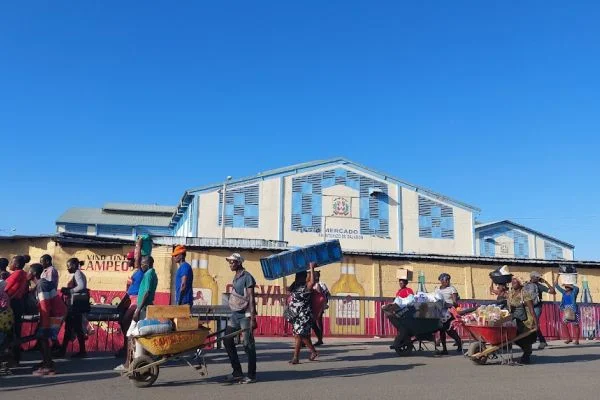
MMU-1_Diaz-Espaillat_Dom-Rep.jpg
© Diaz-Espaillat/ZEF

Dajabón–Ouanamin. Thousands of Haitians cross the border between the Dominican Republic and Haiti every week to trade goods at the binational market. 

MMU-2_Sarkar_Nepal.jpg
© Sarkar/ZEF

Migration is at the core of Nepal's agricultural and societal transformation. Male-selective migration is a coping strategy for declining yields, food insecurity, and climate change. Women mostly stay behind.

MMU-3_Stellmacher_urban-spaces.jpg
© Stellmacher/ZEF

Ethiopia's capital Addis Abeba. Roughly half of the world's population lives in urban areas. Numbers are expected to rise to up to 70% by 2025 according to, among others, the World Bank.

ZEF Projects related to "Migration, mobility and urbanization"

Keywords
Sustainable health, adolescents, education, nutrition

Countries
Tanzania, Kenya, Burkina Faso

Summary
Changemaker addresses the increasing epidemic of adolescent obesity in urban sub-Saharan Africa. The project aims at co-designing, implementing, and evaluating the effects and the processes of a comprehensive sustainable health intervention in three exemplary sites: Ouagadougou, Burkina Faso; Dar es Salaam, Tanzania; Kisumu, Kenya. Ina Danquah and her team are coordinating this project together with Karolinska Institute, Stockholm, Sweden, and are responsible for the impact evaluation.

Methodology
The sustainable health intervention comprises of four evidence-based strategies: 1) urban farming in schools with satellite farms and organic waste composting, 2) sustainable health modules for classrooms, 3) linking to healthcare workers through health talks using motivational interviewing techniques, and 4) WHO Best Buys: Mass media campaign. Three cluster-RCTs in secondary schools, within the framework of urban Health and Demographic Surveillance Systems, implementation and process evaluation and cost-effective evaluation.

Main Cooperation Partners

  • Prof. Kristi Sydney-Annerstedt, Karolinska Institutet (KI), Stockholm, Sweden
  • Dr. Ali Sié, Centre de Recherche en Santé de Nouna (CRSN), Nouna, Burkina Faso
  • Dr. Abdramane Soura, Institute Supérieure des Sciences de la Population, University of Ouagadougou (ISSP), Ouagadougou, Burkina Faso
  • Prof. Pilvikki Absetz, Tampere University (TAU), Tampere, Finnland
  • Prof. Marleen Temmerman, Aga Khan University (AKU), Nairobi, Kenya
  • Sharon Chacha, Food Security for Peace and Nutrition (FSPN), Kenya
  • Susan Adhiambo, Ministry of Agriculture, Livestock and Fisheries (DALF), Kisumu, Kenya
  • Dr. Alice Ojwang Achieng, The Technical University of Kenya (TUK), Nairobi, Kenya
  • Prof. Mary Mwanyika Sando, Africa Academy for Public Health (AAPH), Dar es Salaam, Tanzania
  • Prof. Bruno Sunguya, Muhimbili University of Health and Allied Sciences (MUHAS), Dar es Salaam, Tanzania
  • Prof. Wafaie Fawzi, Harvard Global Research and Support Services Inc. (Harvard), Boston, USA

Main Funding Partners

  • European Commission: Horizon Europe
  • HORIZON-HLTH-2023-DISEASE-03-03

Duration of the Project
4 years (01 Jan 2024 – 31 Dec 2027)

Project Homepage
https://changemaker.ki.se/

Team

  • Prof. Dr. Ina Danquah
  • Dr. Raissa Sorgho
  • Grace Wothaya Kihagi (candidate PhD)
  • Rhodah Nekesa (candidate PhD)
  • Scarion Rupia (candidate PhD)

Contact
Prof. Dr. Ina Danquah, Phone.: +49-228-73-1970

Keywords
Climate change adaptation, fishing, subsistence farming, women, nutrition, health

Countries
Ghana

Summary
Individual and community-initiated climate change adaptation responses are promoted globally, but among vulnerable populations, evidence regarding their availability, implementation and impact on mediating climatic shocks in developing countries is scanty. We aim to identify the adaptation and coping mechanisms adopted by rural smallholder female farmers residing along the Ghana Volta lake and the mitigate effects on livelihoods, household food security and nutritional status. A framework showing the climate adaption strategies and the linkage with household livelihoods, food security and nutritional status will be developed and used to inform a future intervention study. An immediate step will be advocacy program to encourage policy revision and practical actions to support smallholder framers to be climate-sensitive and more climate-adaptive.

Methodology
In this triangulated sequential explanatory mixed-methods study, we shall interview 442 adult females engaged in predominant crop and fish farming in rural communities along the Volta Lake using the climate coping and adaptation strategies assessment tool. The quantitative data in the first sequel will measuring indices that quantifies actual and perceived climate risk vulnerability, adaptation strategies and the intensity of impact of climatic hazards on family income, food stocks and undernutrition. Participants found to adapt very positively or negatively to agriculture climatic stress will be interviewed in the qualitative phase to understand in-depth the triggers of the adaptive or maladaptive coping skills. The responses shall be rated using Likert-type questions and the scores weighted to derive patterns using principal component analysis and other data-tailored regression models and triangulated with the textual data to generate a linkage of the adaptive capacity. At the end of the 12-month project period, we expect to quantify and link the impacts of climate adaptation strategies on mediating the livelihoods and nutritional stocks to inform evidence-based policy and practical actions particularly for smallholder farmers and other vulnerable populations.

Main Cooperation Partners
Dr. Faith Agbozo, University of Health and Allied Sciences (UHAS), Ho, Ghana

Main Funding Partners
German Academic Exchange Service (DAAD)

Duration of the Project
2 years (01 Mar 2022 – 28 Feb 2023)

Team

  • Prof. Dr. Ina Danquah
  • Marian Abrafi Osei (candidate PhD)

Contact
Prof. Dr. Ina Danquah, Phone.: +49-228-73-1970

Keywords
Migration, malaria, sub-Saharan Africa, modelling

Countries
India, Burkina Faso

Summary
The overarching goal of the project is to develop data-driven mathematical models and frameworks that account for ecological, epidemiological, and demographic principals related to human migration behaviour and spatiotemporal spread of malaria parasites, using mathematical (especially, game theory), statistical, and computational methods. The project aims to delineate the interaction of population dynamics with spatial and demographic structure and apply the models to real disease data (e.g., malaria in sub-Saharan Africa (SSA)).

Methodology
We will establish mathematical models and estimate key determinants and parameters that account for human behaviour in migration and malaria endemicity, using disease (malaria) and demographic and socioeconomic database from countries in SSA.

Main Cooperation Partners

  • Dr. Ali Sié and Dr. Pascal Zabre, Centre de Recherche en Santé de Nouna (CRSN), Nouna, Burkina Faso
  • Prof. Samit Bhattacharyya, Shiv Nadar Institution of Eminence (SNIoE), Dehli, India

Main Funding Partners
German Academic Exchange Service (DAAD)

Duration of the Project
2 years (01 Sep 2022 – 31 Aug 2024)

Team

  • Prof. Dr. Ina Danquah
  • Dr. Pascal Zabre

Contact
Prof. Dr. Ina Danquah, Phone.: +49-228-73-1970

Keywords
Landscape heritage, Environmental changes, Heritage conservation, Cultural landscape futures, Eastern Africa

Countries
Ethiopia, Kenya

Summary
Designation of cultural landscapes as UNESCO World Heritage Sites with outstanding universal values defines a globally recognized status, beyond their local values. However, cultural landscapes are not static, and many of them, especially in Sub-Saharan Africa, experience strong local dynamics with massive environmental, economic and social changes and conflicts. This study, therefore, aims to understand UNESCO World Heritage Sites as ‘living’ landscapes that are shaped and transformed through local dynamics including context-specific socio-economic, cultural, environmental and political factors. The case studies will be Konso Cultural Landscape in Ethiopia and the Sacred Mijikenda Kaya Forests in Kenya, UNESCO recognized cultural landscapes in Eastern Africa. The concept of human-environment interactions in cultural landscapes, sustainability and the concept of intersectionality (especially, for the gender dimension) guide the analysis. The analysis and understanding of UNESCO World Heritage Sites as ‘living’ and changing cultural landscapes will contribute to develop approaches to maintain their sustainable futures.

Methodology

  • Intergenerational change analysis of landscape values and indigenous conservation practices
  • Human-environment interactions, and land use and livelihood transition analysis
  • Meta-analysis based on case studies to contribute to academic discourses and policy discussion towards sustainable development and landscape conservation
  • Mixed methods approach: qualitative and quantitative data collection and analysis

Main Cooperation Partners

  • Dilla University
  • Kenyatta University

Main Funding Partners
The Volkswagen Foundation

Duration of the Project
2022 - 2026

Team

  • Asrat Gella (project coordinator)
  • Dr. Abiyot Legesse Kura
  • Dr. Eric Kioko
  • Dr. Asebe Regassa Debelo
  • Dr. Till Stellmacher
  • Dr. Muthio Nzau
  • Dr. Yimer Mohammed Assen
  • Dr. Yvonne Githiora
  • Dr. Abebe Lemessa Saka
  • Yesim Pacal

Contact
Dr. Asrat Gella, Phone.: +49-228-73-4916

Summary
The Malabo Montpellier Panel works to accelerate progress towards sustainable food systems transformation in Africa. It identifies areas of progress and positive change across the continent and assesses what successful countries have done differently. It identifies and analyses the most important policy and institutional innovations and programmatic interventions that can be replicated and scaled up by other countries.

The Malabo Montpellier Panel, co-chaired by Dr. Ousmane Badiane (Executive Chairperson, AKADEMIYA2063) and Prof. Joachim von Braun (Distinguished Professor, University of Bonn), convenes 18 leading experts in agriculture, ecology, nutrition, and food security to facilitate policy innovation by African governments to accelerate progress towards sustainable food systems transformation in Africa.

The affiliated Malabo Montpellier Forum provides a platform to promote policy innovation by using the evidence produced by the Panel to facilitate dialogue and exchange among high-level decision-makers on African food systems transformation, climate change adaptation, and mitigation. The Forum is co-chaired by H.E. Hailemariam Dessalegn, former Prime Minister of Ethiopia, and H.E. Assia Bensalah Alaoui, Ambassador at Large to His Majesty Mohamed VI, the King of Morocco.

Main Cooperation Partners
AKADEMIYA2063

Main Funding Partners

  • The German Federal Ministry for Economic Cooperation and Development (BMZ)
  • The African Development Bank (AfDB)
  • The United States Agency for International Development (USAID)

Publications

  • Malabo Montpellier Panel Brochure
  • Malabo Montpellier Panel Factsheet

All other publications can be found on the project website.

Duration of the Project
01.01.2023 - 31.12.2026

Project Homepage
https://www.mamopanel.org/

Team
Panel Members

Contact
Prof. Dr. Joachim von Braun, Phone.: +49-228-73-1800

Keywords
Obesity, diabetes mellitus, migration, ethnicity, aetiology, sub-Saharan Africa

Countries
Ghana, The Netherlands, United Kingdom, Germany

Summary
The RODAM study assesses the health and wellbeing of Ghanaian residents in Ghana and Europe and follows them up over time. With this unique approach the RODAM study attempts to unravel the causes of cardio-metabolic disease and its risk factors among African migrants in Europe and non-migrants sub-Saharan Africa. Ina Danquah and her team lead the work on nutrition-related risk factors.

Methodology
In five study sites (rural Ghana, urban Ghana, Amsterdam, London, Berlin), representative samples of almost 6000 Ghanaian adults were recruited between 2012 and 2015. The participants underwent physical examinations, questionnaire-based interviews, and biological sample collection. For the assessment of the usual diet, a Ghana-specific food propensity questionnaire was developed, tested, and applied by the German Institute for Human Nutrition – Potsdam-Rehbrücke (DIfE). Follow-up examinations were conducted in rural Ghana, urban Ghana and Amsterdam between 2019 and 2021. The same data and sample collection methods were applied. For nutrition-related questions, we focus on dietary pattern construction, using data-driven, hypothesis-based and hybrid methods.

Main Cooperation Partners

  • Prof. Charles Agyemang and Prof. Karien Stronks, Amsterdam University Medical Centers, University of Amsterdam (AMC), Amsterdam, The Netherlands
  • Prof. Liam Smeeth, London School of Hygiene and Tropical Medicine (LSHTM), London, United Kingdom
  • Prof. Ellis Owusu-Dabo, Kwame Nkrumah University for Science and Technology (KNUST), Kumasi, Ghana
  • Prof. Frank Mockenhaupt, Institute of Tropical Medicine and International Health (ITMIH) and Prof. Joachim Spranger, Dean of Medical Faculty, Charité – Universitaetsmedizin Berlin, Berlin, Germany
  • Prof. Ama de Graft-Aikins, Regional Institute for Population Studies (RIPS), University of Ghana, Accra, Ghana

Main Funding Partners
European Commission, 7th Framework Programme and European Research Council (ERC) (PI: Charles Agyemang)

Publications

  • Danquah I, Mank I, Hampe CS, Meeks KAC, Agyemang C, Owusu-Dabo E, Smeeth L, Klipstein-Grobusch K, Bahendeka S, Spranger J, Mockenhaupt FP, Schulze MB, Rolandsson O. Subgroups of adult-onset diabetes: a data-driven cluster analysis in a Ghanaian population. Sci Rep. 2023 Jul 4;13(1):10756. doi: 10.1038/s41598-023-37494-2.
  • Osei TB, van Dijk AM, Dingerink S, Chilunga FP, Beune E, Meeks KAC, Bahendeka S, Schulze MB, Agyemang C, Nicolaou M, Holleboom AG, Danquah I. Reduced Rank Regression-Derived Dietary Patterns Related to the Fatty Liver Index and Associations with Type 2 Diabetes Mellitus among Ghanaian Populations under Transition: The RODAM Study. Nutrients. 2021 Oct 20;13(11):3679.
  • Assmus F, Galbete C, Knueppel S, Schulze MB, Beune E, Meeks K, Nicolaou M, Amoah S, Agyemang C, Klipstein-Grobusch K, Bahendeka S, Spranger J, Mockenhaupt FP, Smeeth L, Stronks K, Danquah I. Carbohydrate-dense snacks are a key feature of the nutrition transition among Ghanaian adults - findings from the RODAM study. Food Nutr Res. 2021 May 6;65.
  • Hampe CS, Sahabandu D, Kaiser V, Telieps T, Smeeth L, Agyemang C, Spranger J, Schulze MB, Mockenhaupt FP, Danquah I*, Rolandsson O*. Geographic location determines beta-cell autoimmunity among adult Ghanaians: Findings from the RODAM study. Immun Inflamm Dis. 2020 Sep;8(3):299-309. * both authors contributed equally
  • Danquah I, Addo J, Boateng D, Klipstein-Grobusch K, Meeks K, Galbete C, Beune E, Bahendeka S, Spranger J, Mockenhaupt FP, Stronks K, Agyemang C, Schulze MB, Smeeth L. Early-life factors are associated with waist circumference and type 2 diabetes among Ghanaian adults: The RODAM Study. Sci Rep. 2019 Jul 26;9(1):10848.
  • Galbete C, Nicolaou M, Meeks K, Klipstein-Grobusch K, de-Graft Aikins A, Addo J, Amoah SK, Smeeth L, Owusu-Dabo E, Spranger J, Agyemang C, Mockenhaupt FP, Beune E, Stronks K, Schulze MB, Danquah I. Dietary patterns and type 2 diabetes among Ghanaian migrants in Europe and their compatriots in Ghana: the RODAM study. Nutr Diabetes. 2018 Apr 25;8(1):25.
  • Danquah I, Galbete C, Meeks K, Nicolaou M, Klipstein-Grobusch K, Addo J, Aikins AD, Amoah SK, Agyei-Baffour P, Boateng D, Bedu-Addo G, Spranger J, Smeeth L, Owusu-Dabo E, Agyemang C, Mockenhaupt FP, Beune E, Schulze MB. Food variety, dietary diversity, and type 2 diabetes in a multi-center cross-sectional study among Ghanaian migrants in Europe and their compatriots in Ghana: the RODAM study. Eur J Nutr. 2018 Dec;57(8):2723-2733.
  • Galbete C, Nicolaou M, Meeks KA, de-Graft Aikins A, Addo J, Amoah SK, Smeeth L, Owusu-Dabo E, Klipstein-Grobusch K, Bahendeka S, Agyemang C, Mockenhaupt FP, Beune EJ, Stronks K, Schulze MB, Danquah I. Food consumption, nutrient intake, and dietary patterns in Ghanaian migrants in Europe and their compatriots in Ghana. Food Nutr Res. 2017 Jul 6;61(1):1341809
  • Osei-Kwasi HA, Boateng D, Danquah I, Holdsworth M, Mejean C, Terragni L, Powell K, Schulze MB, Owusu-Dabo E, Meeks K, Beune E, Agyemang C, Klipstein- Grobusch K, Stronks K, Galbete C, Nicolaou M. Acculturation and Food Intake Among Ghanaian Migrants in Europe: Findings From the RODAM Study. J Nutr Educ Behav. 2020 Feb;52(2):114-125.
  • Agyemang C, Meeks K, Beune E, Owusu-Dabo E, Mockenhaupt FP, Addo J, de Graft Aikins A, Bahendeka S, Danquah I, Schulze MB, Spranger J, Burr T, Agyei-Baffour P, Amoah SK, Galbete C, Henneman P, Klipstein-Grobusch K, Nicolaou M, Adeyemo A, van Straalen J, Smeeth L, Stronks K. Obesity and type 2 diabetes in sub-Saharan Africans - Is the burden in today's Africa similar to African migrants in Europe? The RODAM study. BMC Med. 2016 Oct 21;14(1):166.
  • Agyemang C, Beune E, Meeks K, Addo J, Aikins AD, Bahendeka S, Danquah I, Mockenhaupt FP, Schulze MB, Klipstein-Grobusch K, Smeeth L, Stronks K. Innovative ways of studying the effect of migration on obesity and diabetes beyond the common designs: lessons from the RODAM study. Ann N Y Acad Sci. 2017 Mar;1391(1):54-70.

Duration of the Project
4 years (01 Jan 2012 – 30 Sep 2015) 7th framework programme
5 years (01 Jan 2018 – 31 Dec 2022) Consolidator grant

Project Homepage
https://www.rod-am.eu/

Team

  • Prof. Dr. Ina Danquah
  • Tracy Bonsu Osei (candidate Dr. med.)
  • Alice Rodriguez Rein (candidate M.Sc.)
  • Alexandra Meus (candidate Dr. med.)

Contact
Prof. Dr. Ina Danquah, Phone.: +49-228-73-1970

Keywords
Climate change mitigation, sustainable diets, obesity, diabetes mellitus, urban, adults

Countries
Burkina Faso

Summary
The global obesity epidemic and its adverse health effects have reached sub-Saharan Africa. In some urban settings, like Burkina Faso's capital Ouagadougou, up to 43% of the adult population are overweight or obese. At the same time, modernised food systems are responsible for 26% of global greenhouse gas emissions, 50% of land use and 70% of freshwater use. International guidelines on the treatment of overweight and obesity recommend dietary intervention programmes that promote reduced calorie intake and increased physical activity. So far, weight loss interventions rarely consider sustainable dietary concepts, including healthfulness, affordability, cultural appropriateness and environmental friendliness. Therefore, we conducted a family-based, randomised, controlled trial (RCT) for the effects of a sustainable weight loss intervention on cardiometabolic, environmental, and economic outcomes in urban Burkina Faso.

Methodology
The project consists of three phases: i) formative and co-design phase using qualitative and quantitative methods, incl. in-depth interviews about the perceptions of healthy and environmentally friendly diets as well as exploratory dietary pattern analysis to describe prevailing dietary practices, ii) implementation and impact evaluation of the RCT, comparing a 6-month sustainable dietary weight loss intervention programme (n=125) with standard weight loss information material and 5 min oral counselling (n=125) (intervention phase: 0-6 months; consolidation phase: 7-12 months), and iii) process evaluation, incl. qualitative impact mapping through focus group discussions (FGDs), cost-effectiveness and budget impact analysis.

Main Cooperation Partners

  • Prof. Abdramane Soura and Dr. Roch Modeste Millogo, Institute Supérieure des Sciences de la Population, University of Ouagadougou (ISSP), Ouagadougou, Burkina Faso
  • Dr. Alina Herrmann, Heidelberg Institute for Global Health (HIGH), Heidelberg University, Heidelberg, Germany

Main Funding Partners
Robert Bosch Foundation (RBS) – Robert Bosch Junior Professorship 2019

Publications

  • Weil K, Coulibaly I, Fuelbert H, Herrmann A, Millogo RM, Danquah I. Dietary patterns and their socioeconomic factors of adherence among adults in urban Burkina Faso: a cross-sectional study. J Health Popul Nutr. 2023 Oct 10;42(1):107. doi: 10.1186/s41043-023-00451-w.
  • Herrmann A, Gonnet A, Millogo RM, d'Arc Kabré WJ, Beremwidougou TR, Coulibaly I, Ouili I, Zoromé S, Weil K, Fuelbert H, Soura A, Danquah I. Sustainable dietary weight loss intervention and its effects on cardiometabolic parameters and greenhouse gas emissions: study protocol of a randomised controlled trial with overweight and obese adults in Ouagadougou, Burkina Faso. BMJ Open. 2023 Apr 4;13(4):e070524. doi: 10.1136/bmjopen-2022-070524.
  • Herrmann A und Danquah I (2022). Klimawandel und Gesundheit aus Globaler Perspektive. DIVI Jahresbuch 2022/2023. MMV Medizinisch Wissenschaftliche Verlagsgesellschaft.

Duration of the Project
5 years (01 Jul 2019 – 30 Jun 2025)

Team

  • Prof. Dr. Ina Danquah
  • Anaïs Gonnet (project coordinator)
  • Konstantin Weil (candidate Dr. med.)
  • Hannah Fülbert (candidate Dr. med.)
  • Dorothee Liu (candidate Dr. med.)

Contact
Prof. Dr. Ina Danquah, Phone.: +49-228-73-1970

Wird geladen