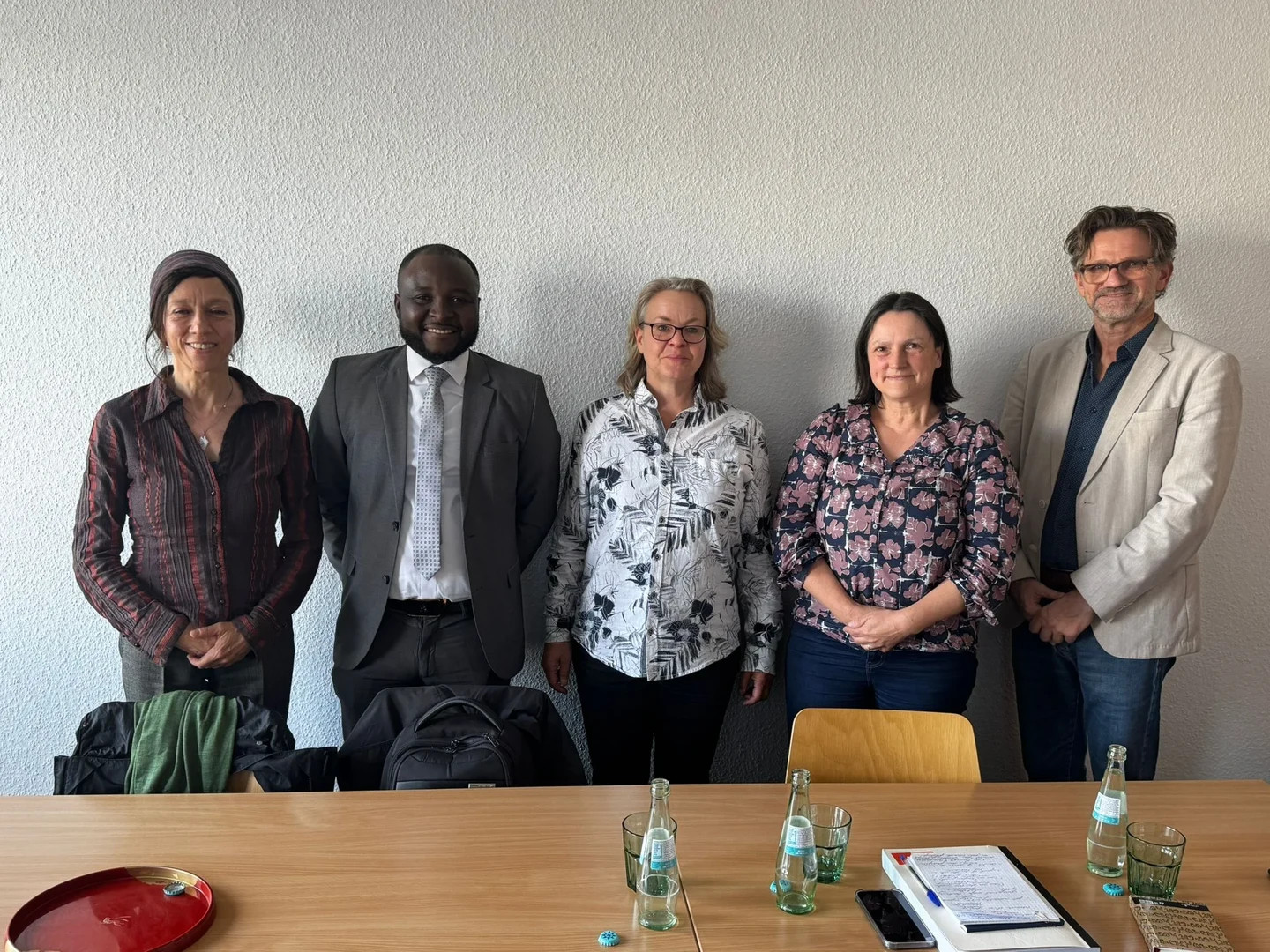
Albert's thesis examined cross-border access to basic public education in the Ghana-Burkina Faso border region. The research was primarily conducted in two border enclaves in the Black Volta region: the Hamile/Hamele and Kyetu/Kietou enclaves. Most of the fieldwork was conducted between 2019 and 2021.
Why is this research relevant?
- This research provides a deeper understanding of how border communities live and function.
- It can help policymakers design education systems that are more realistic, fair, and responsive to the needs of children in border regions.
- The study also demonstrates how cross-border education can foster social integration, particularly in conflict-prone areas, and bridge developmental gaps in marginalized, peripheral communities,
What are the main take-aways?
- Inhabitants of the border communities under study, accessing cross-border education means more than simply acquiring knowledge.
- Rather, this decision is shaped by factors such as family ties, language proficiency, religion, culture, friendships, and everyday life across the border.
- Individuals, families, and communities maintain social, cultural, economic, and emotional ties across different locations through cross-border education.
- Cross-border education can promote social integration and support economic development in border communities.