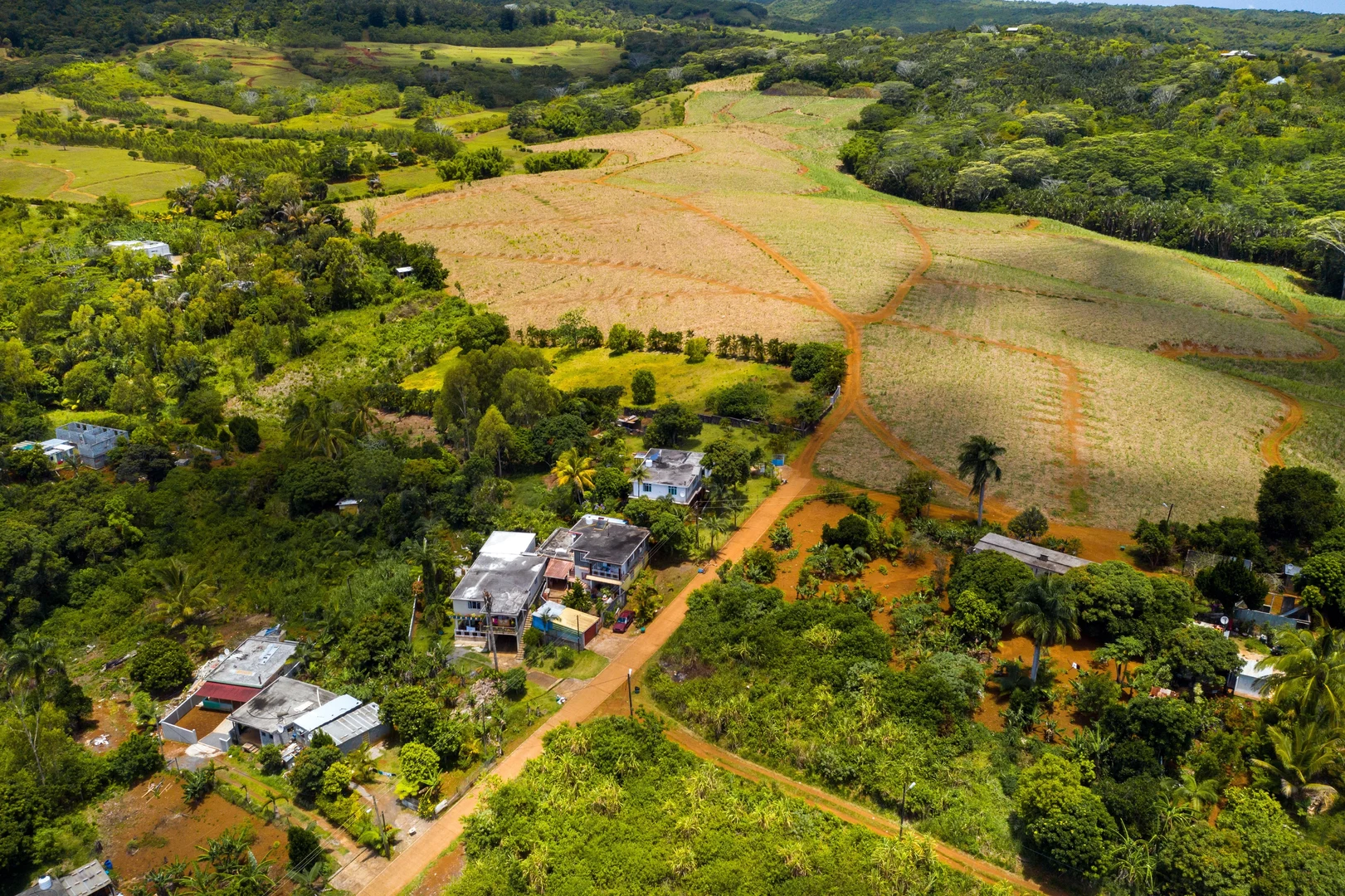
“We need more diversity at all levels to ensure global food security and protect the environment,” says Prof. Dr. Matin Qaim, Director of the Center for Development Research (ZEF) at the University of Bonn and spokesperson of the new CRC 1780. “This means greater diversity in the fields, on farms, in landscapes, in markets, in trade flows, and in dietary patterns.”
In addition to the economic, social, and ecological benefits, however, such diversification also entails costs. The new CRC 1780 “FoodDiverse” investigates how these benefits and costs play out depending on the specific context, the degree of diversification, and the spatial scale under consideration: How do different types of diversification influence planetary health? What characterizes favorable levels of diversity, and how can these be achieved at the different food system levels?
“Our new CRC brings together researchers from the fields of agricultural sciences, nutritional sciences, environmental sciences, economic and social sciences, and medicine to analyze food systems in all their various facets,” says
Prof. Dr. Ute Nöthlings of the Institute of Nutritional and Food Sciences at the University of Bonn and vice-spokesperson of the CRC.
To answer the questions, the Bonn researchers are collaborating closely with the University of Ghana. The partners aim to develop options for a sustainable transformation of food systems and identify the necessary policy and behavioral changes. “We are focusing our empirical research on Ghana and Germany,” explains Qaim. “The two countries cover a broad spectrum of different agroecological and socioeconomic conditions, which further strengthens the global relevance of our findings.”
The new CRC is led by ZEF and funded by the German Research Foundation (DFG) with 15 million Euros over the first four-year phase. It will formally start on 1 October 2026.
Further infos about the FoodDiverse CRC and Announcements for Doctoral and Postdoctoral Researcher Positions:
www.zef.de/fooddiverse