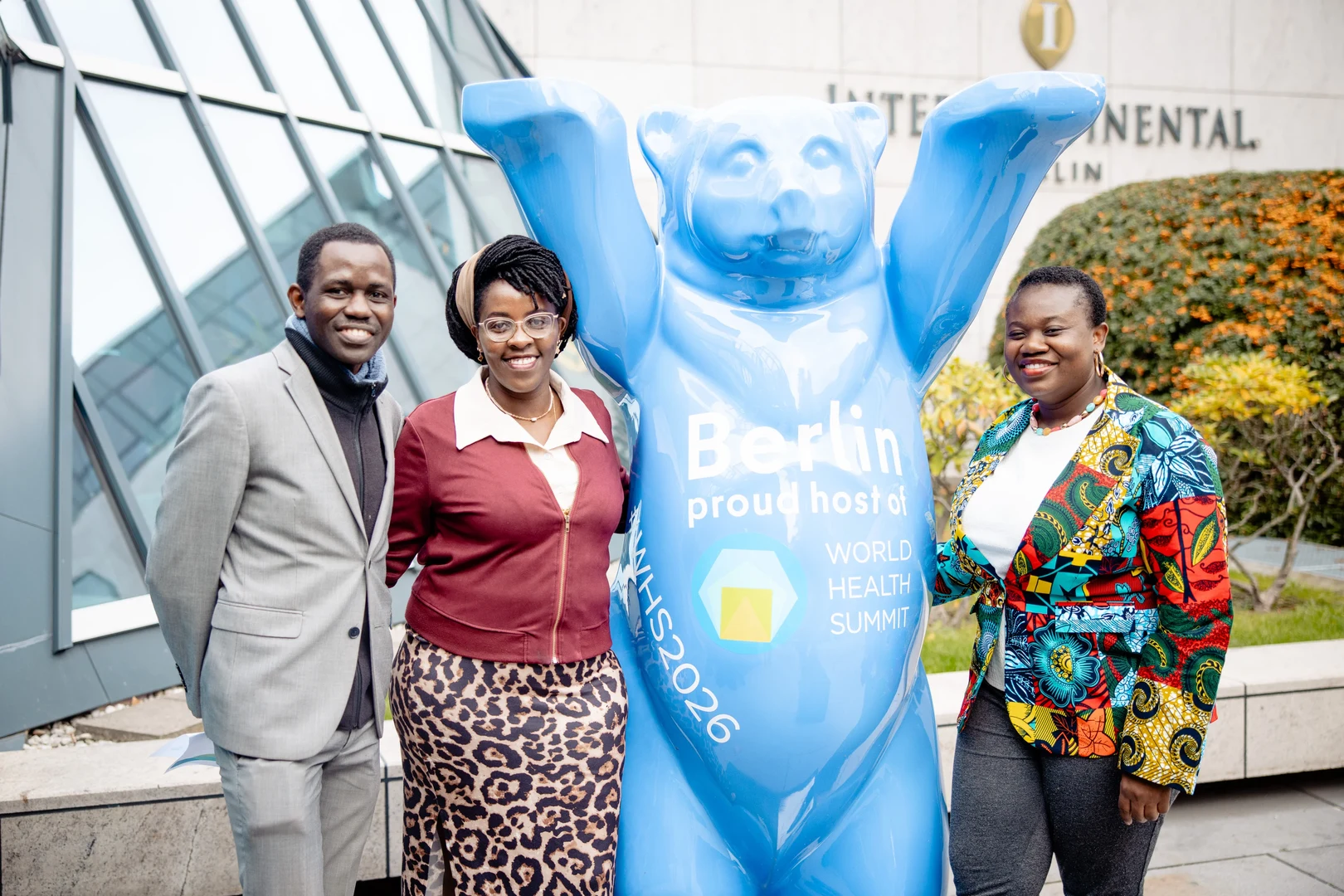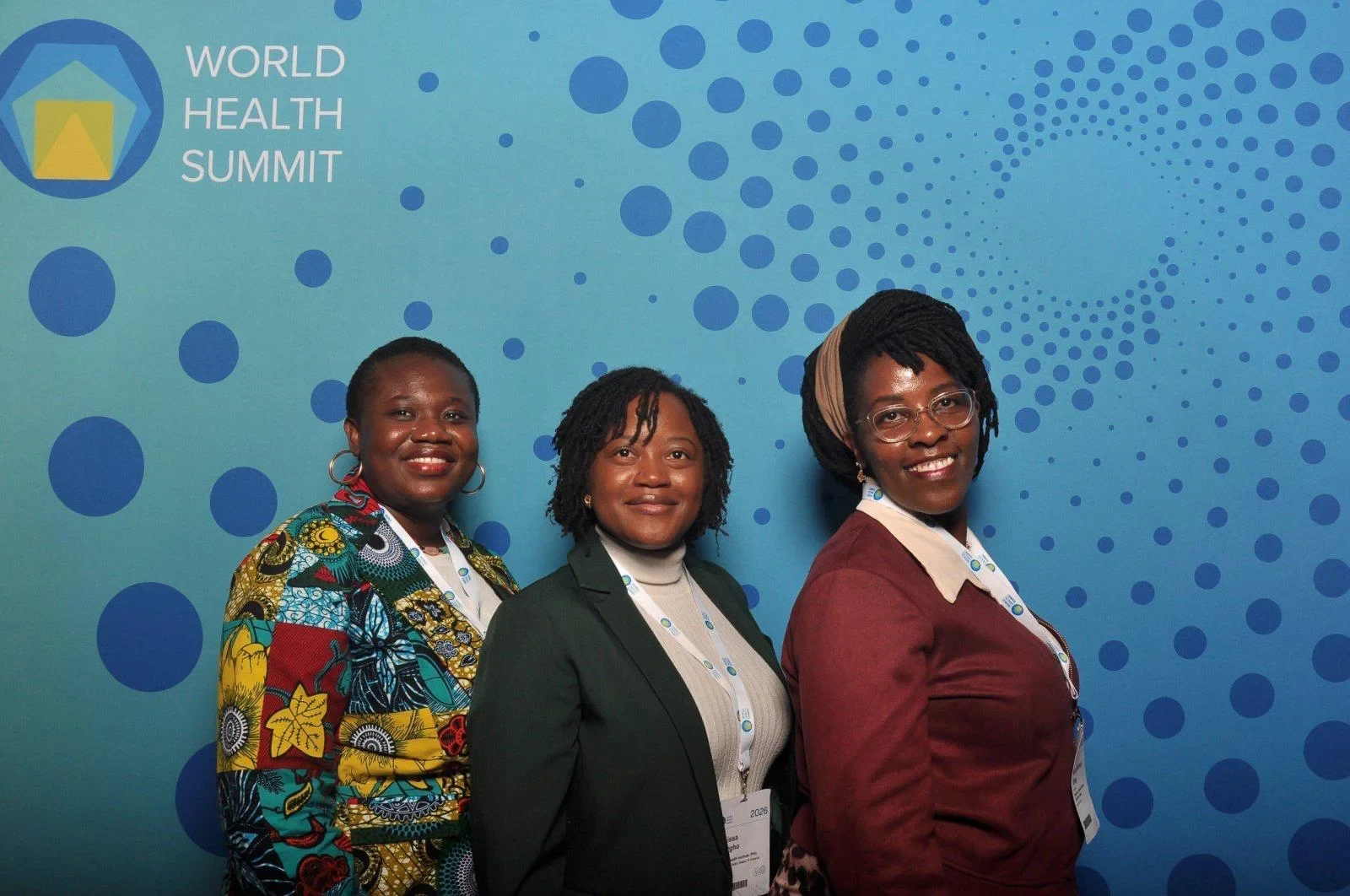
✨ From evidence to stronger health systems
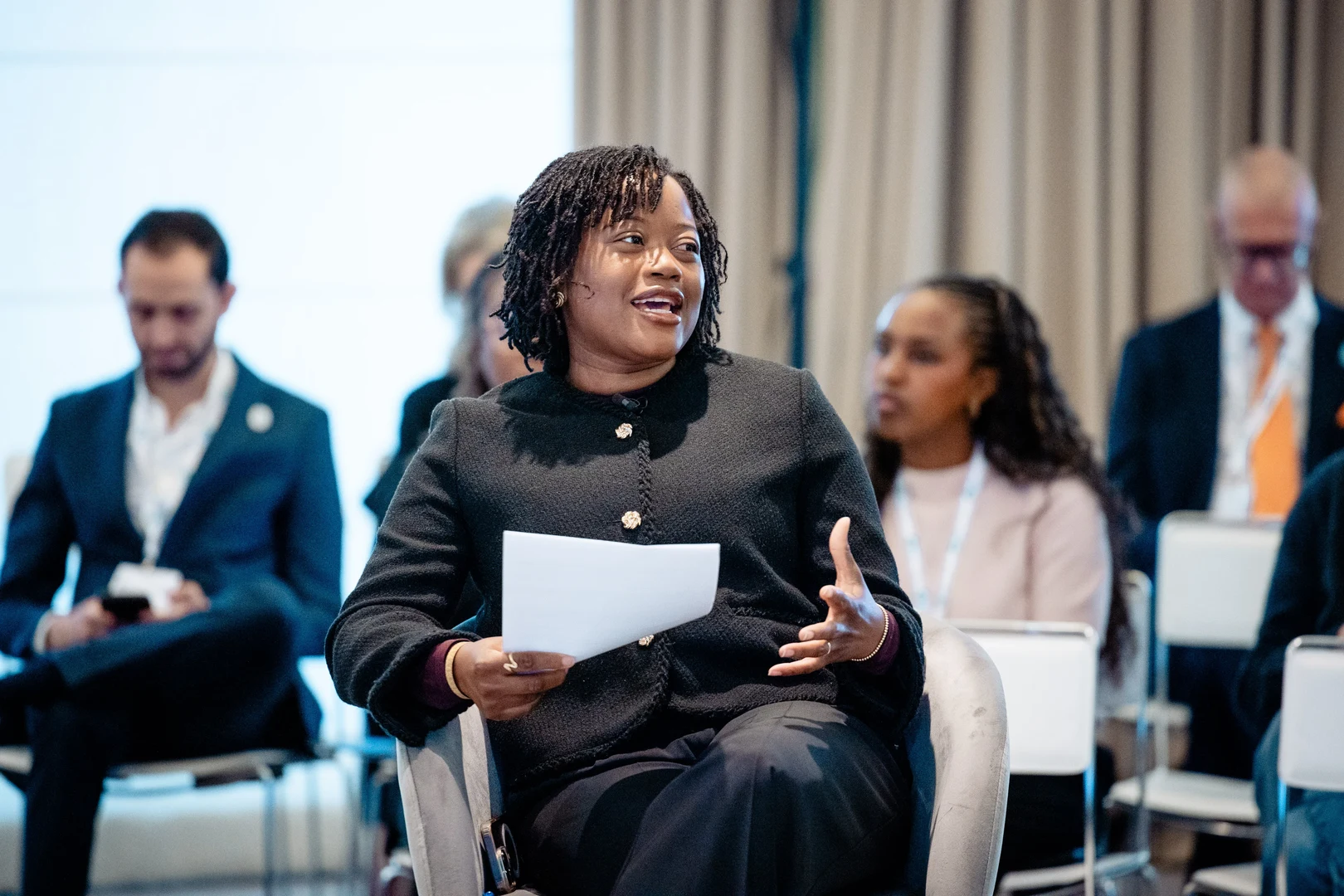
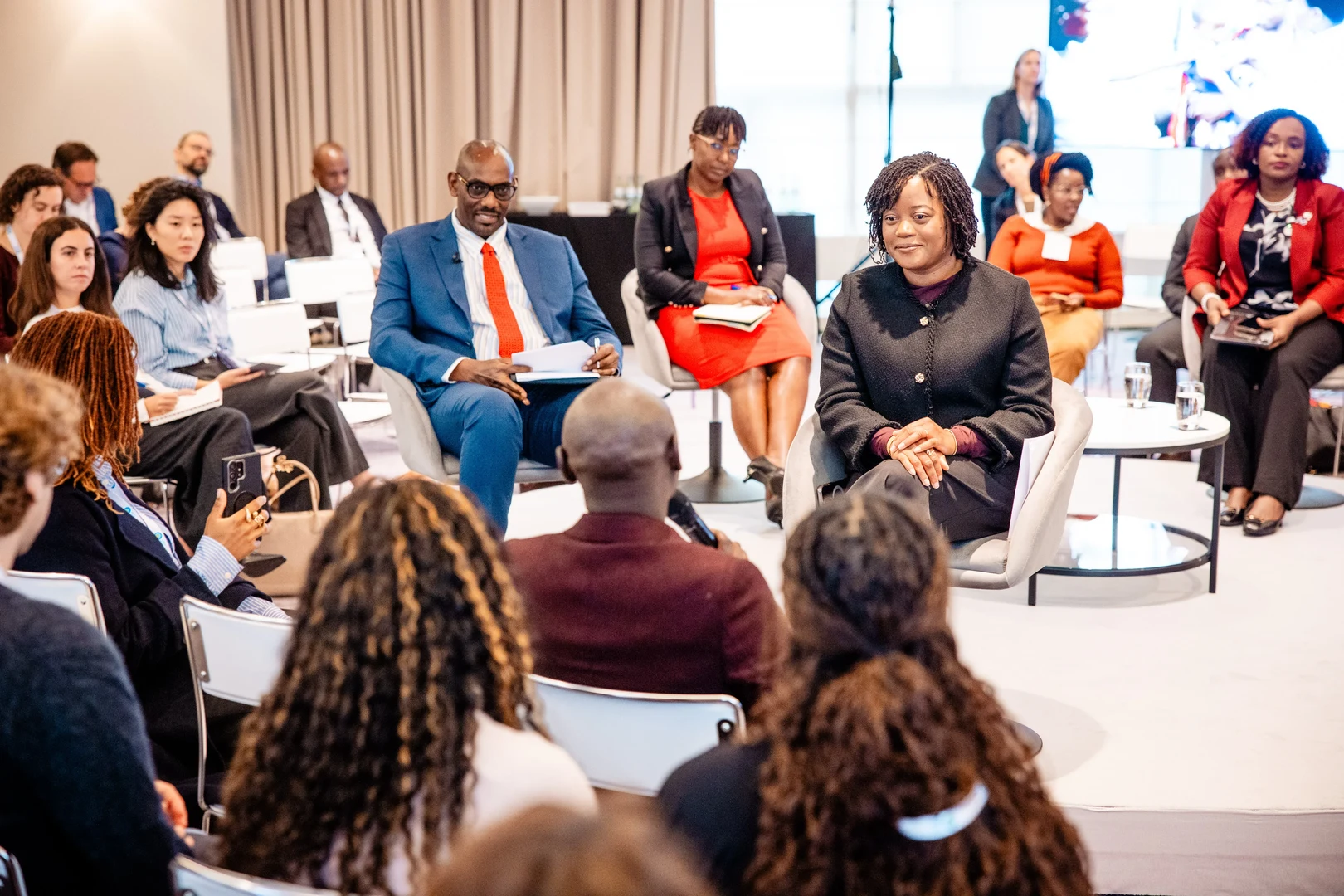
Dr. Raissa Sorgho chaired the session “Malnutrition screening for stronger health systems: From evidence to action,” facilitating an engaging exchange on experiences from Kenya, Rwanda, and Tanzania. The discussions explored how implementation science, routine health data, and effective partnerships can strengthen the integration of nutrition screening into health and community services.
Clearly, identifying malnutrition is not enough. Screening must lead to accessible, timely and effective care. Translating evidence into sustainable health services also requires trained professionals, functional referral pathways, and sustained investment.
Watch the full session here: https://www.youtube.com/watch?v=RFf_QPMRTXc
✨From community engagement to health equity
At a side event, organized by the International AIDS Society (IAS) and AIDS Action Europe, Dr. Stephen Amoah shared experiences from Afrikaherz, Berlin and the ENHANCE project, during discussions on “Advancing equitable, person-centered HIV prevention and care in Europe.”
The presentation highlighted the critical role of community-led initiatives in reaching migrant populations who face barriers to healthcare, including stigma, discrimination, language difficulties, and limited access to information and services.
The key lesson: Communities must be partners in shaping health solutions, not merely recipients of interventions. Building trust, strengthening community leadership, and ensuring sustainable financing are essential to equitable healthcare.
✨From global challenges to renewed scientific purpose
Other summit engagements offered equally compelling perspectives.
Discussions on women's health and innovative financing reinforced the urgency of sustained investment to prevent avoidable maternal deaths, particularly amid declining development assistance.
The Lancet Commission's presentation on global health threats of the 21st Century, including childhood malnutrition, climate change, high blood pressure and obesity, reaffirmed the importance of nutrition and planetary health research in addressing emerging and persistent health challenges.
Meanwhile, the German Alliance for Global Health Research (GLOHRA) workshop, “Science under attack,” underscored the responsibility of researchers to defend scientific integrity, communicate evidence effectively and remain resilient when science is questioned or selectively challenged.
Beyond the formal sessions, opportunities for networking, knowledge exchange and building new collaborations added immense value to the summit experience.
Across these engagements, one powerful message connected our reflections: scientific evidence achieves its greatest impact when it informs decisions, strengthens systems, empowers communities and improves lives.