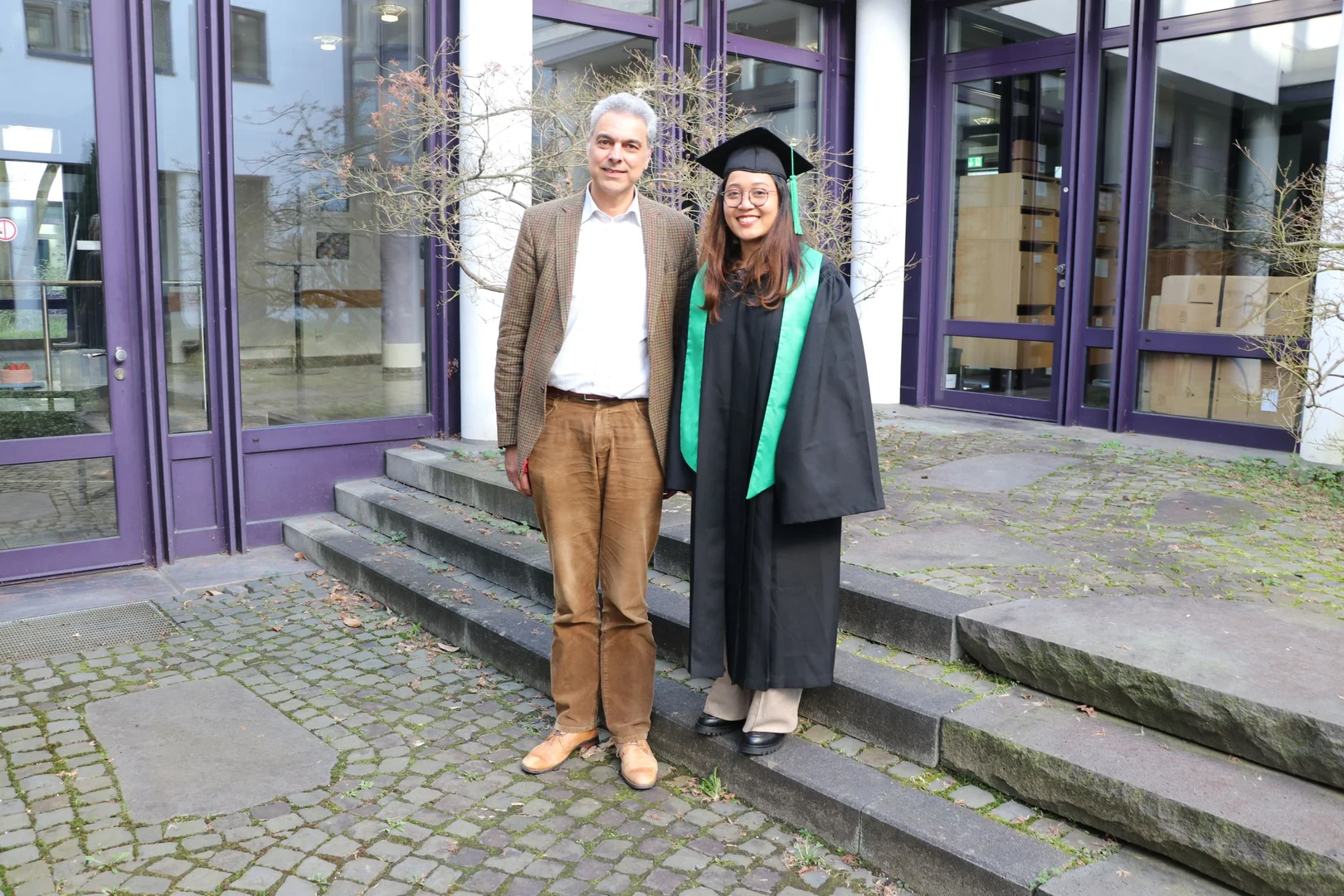
What was Elza's doctoral research about?
Many low- and middle-income countries are dealing with the double burden of malnutrition, where undernutrition and overweight/obesity coexist. This strains public resources and makes policies less effective. To solve this problem, my dissertation aims to understand how socioeconomic factors, cultural practices, and the modern food environment shape the nutrition trajectory in these contexts.
Indonesia, one of the countries with severe double burden of malnutrition worldwide, provides a great lens to unravel these dynamics. Using the Asian financial crisis in the late-1997, I showed that macroeconomic shocks have persistent negative effects on health. Furthermore, socio-cultural norms can influence how families invest in nutrition, especially between men and women, which can increase inequality.
In my last study, I examined the impact of modern food environment changes, proxied by super apps. Super apps are digital platforms that provide many services in one platform, including food delivery. I show that the digital food environment can affect health in different ways. On the one hand, the app is linked to higher consumption of prepared and processed foods and a higher risk of being overweight or obese. On the other hand, it is associated with improved welfare and more diverse diets.
Together, these studies show that effective interventions need to operate across the life course, social norms, and both digital and physical food environments to meaningfully shape the trajectory of health in these settings.
Personal message of Elza
“I would like to thank my supervisor, defense committee, and tutor: Prof. Matin Qaim, Prof. Dominic Lemken, Prof. Monika Hartmann, Prof. Ute Nöthlings, and Dr. Bezawit Beyene Chichaibelu for their guidance and support. I am also grateful for the collaboration with Dr. Asep Suryahadi and The SMERU Research Institute. I am eternally thankful for the love and support of my husband and family, and for the camaraderie of my ZEF colleagues”.