Biodiversity
The global biodiversity crisis is linked to sustainable development in many ways. Biodiversity and functional ecosystems do not only have a high intrinsic value, but nature also provides indispensable ecosystem services to support human livelihood. A large proportion of the global human population depends directly or indirectly on healthy ecosystems, and minimizing trade-offs between biodiversity conservation and human development is thus one of the major challenges ahead.
To address these challenges, science-policy-practice interfaces bodies such as IPBES play a crucial role as they help translate scientific evidence into policy options. At ZEF, several research projects and doctoral theses focus on the interconnectedness between biodiversity and sustainable human development, such as WABES, LANUSYNCON and AFAS. All these initiatives strive for the valuation and higher recognition of biodiversity and endorse the importance of implementing measures for its conservation as a precondition for achieving the UN Sustainable Development Goals.
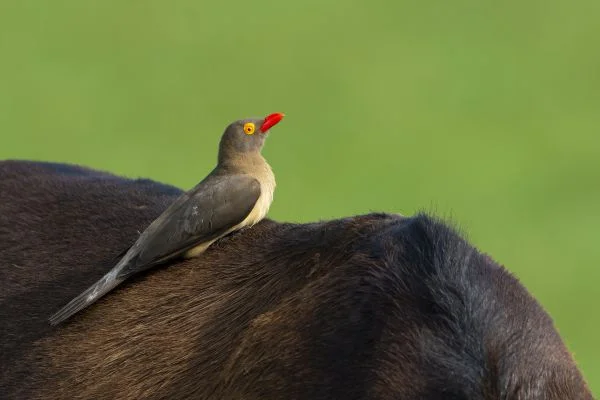
Red-billed Oxpecker on horseback in Bahir Dar, Ethiopia. ZEF’s research in West, East and South Africa includes biodiversity and nature conservation.
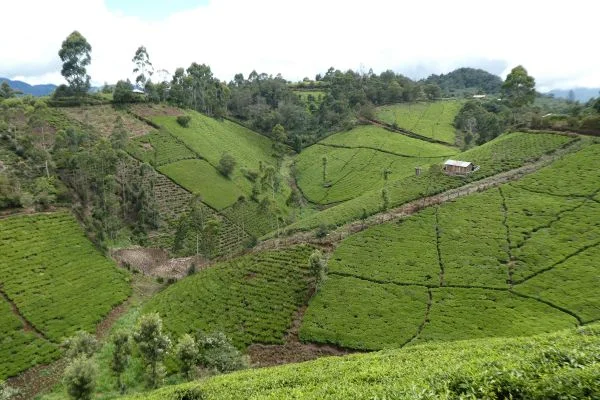
Tea plantation in Kenya. Several ZEF research projects focus on the interconnectedness between biodiversity and sustainable human development.
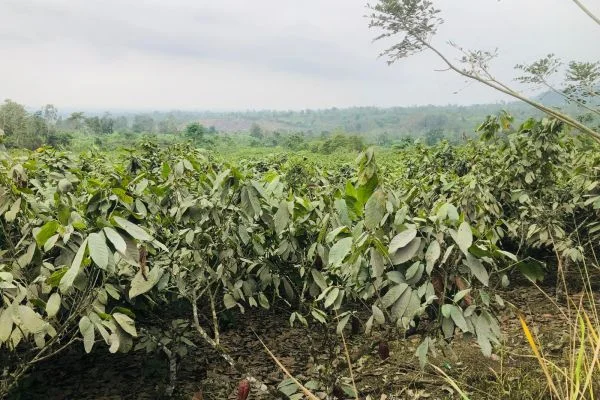
Cocoa plantation in Ecuador. The global biodiversity crisis is linked to sustainable development in many ways.
ZEF Projects related to "Biodiversity"
Keywords
Science-Policy-Practice Interface (SPPI); Nature-based Solutions (NbS); Savannas; Africa; Climate Change; Biodiversity
Countries
Côte d’Ivoire, Kenya, Germany
Summary
Africa’s sustainable development is tremendously challenged by climate change and biodiversity loss. In particular, the vast African savanna systems have largely been converted into managed landscapes, including agricultural and settlement areas. Savannas are very rich in biodiversity and provide indispensable ecosystem services. At the same time, savannas are the “breadbasket” of the continent providing 70% of Africa's cropland, 66% of cereal production and 80% of livestock farming. One of the greatest future challenges in savanna areas will be to adapt to the ever- changing environmental conditions, to conserve their biodiversity, maintain ecosystem functionality and ecosystem service provision, and concurrently provide food for the local population.
The African Climate and Environment Centre - Future African Savannas (AFAS) which is one of the global Centres of German Academic Exchange Service (DAAD) aims to build the critical mass and expertise to tackle these challenges, leveraging on working in the unique SPPI (Science Policy Practice Interface) space, adopting an inter- and transdisciplinary education and research approach with strong digital teaching, learning and research components, capacity development for the implementation of concepts and technologies as drivers of transformative change for the conservation and sustainable use of the savanna ecosystem following the Nature-based Solutions (NbS) approach. Indigenous and local knowledge combined with innovative new approaches based on research represent a great potential for sustainable development and achieving the SDGs in the region.
Methodology
AFAS aims to build capacity of young African scholars through a post-graduate program with masters and doctoral students who undertake an interdisciplinary study program with a curriculum that is co-developed together with stakeholders. The students and senior researchers undertake research on climate change adaptation and biodiversity conservation in the African Savannas. The students also engage in international exchange programs and internships. AFAS is a transdisciplinary project that works with stakeholders in the Science, Policy and Practice Interface.
Main Cooperation Partners
- The Center for Development Research (ZEF), University of Bonn, Germany
- The Institute for Climate Change and Adaptation (ICCA), University of Nairobi, Kenya
- The African Center of Excellence on Climate Change, Biodiversity and Sustainable Agriculture (CEA-CCBAD), Université Félix Houphouët-Boigny, Abidjan, Côte d’Ivoire
- The Global South Studies Center (GSSC), University of Cologne, Germany
Main Funding Partners
The German Federal Foreign Office
Duration of the Project
5 years (2021-2025)
Project Homepage
https://www.afas.africa/
Team
- Prof. Dr. Christian Borgemeister (ZEF, University of Bonn)
- Prof. Dr. Michael Bollig (GSSC, University of Cologne)
- Prof. Dr. Daniel Olago (ICCA, University of Nairobi)
- Prof. Dr. Souleymane Konaté
- Assoc. Prof. Dr. N'golo A. Koné
- Dr. Juliet Wanjiku Kamau ZEF, University of Bonn)
- Dr. Jan Henning Sommer (ZEF, University of Bonn)
- Dr. Gerda Kuiper (GSSC, University of Cologne)
- Ms. Lewnorah Ayieta (ICCA, University of Nairobi)
- Ms. Bárbara Meraz
Contact
Dr. Juliet Wanjiku Kamau, Phone.: +49-228-73-1838
Keywords
agrifood systems, food systems transformation, food environments, climate change adaptation, resilience, nutrition, governance systems, public policy, policy analysis
Countries
Burkina Faso, Cameroon, India, Kenya, Madagascar, Malawi, Mali, Nigeria, Togo, Zambia
Summary
The Agrifood Systems-Transformative Research and Policy program at the Center for Development Research was initiated in November 2023 and will be implemented over a period of 3.5 years.
The program will strengthen the capacity and knowledge of program partner countries to craft and implement effective policies by providing the research and analytical support to develop evidence-based pathways and policies for a sustainable transformation of agrifood systems. The program will also facilitate peer-to-peer exchange and learning events (at the country and regional levels as well as at global fora) for the development of evidence-based sustainability- and resilience-enhancing policies and strategies. Finally, the program will address questions about governance structures, multisectoral and multistakeholder coordination mechanisms that are reflective of the interlinked challenges countries face, and support the development of metrics to better measure and evaluate the impact of interventions and policy structures.
Activities include research and technical support to partner countries in identifying synergies between food, agricultural and social development, nutrition, climate change, biodiversity protection, and environmental health within the broader framework of strengthening the resilience and sustainability of agrifood systems and agrifood systems transformation. The program will identify “low-hanging fruits” in partner countries as possible entry points for targeted interventions to enable evidence-based policy design and implementation. These research activities will be complemented by contributions to peer-to-peer exchange and learning events aimed at discussing what type of interventions may work or have worked already and could be replicated and brought to scale in order to avoid costly “failed experiments”. The research will also identify and highlight possible synergies and tradeoffs of policy interventions with respect to multiple sustainability dimensions (e.g., income, nutrition, gender, climate, biodiversity, etc.).
The program provides technical support to three GIZ programs: the global program on the transformation of food systems (Globalvorhaben Transformation der Ernährungssysteme), the global program on sustainable agrifood systems and policies (Globalvorhaben Nachhaltige Agrarsysteme und Agrarpolitik) and Knowledge for Nutrition (K4N). It will be implemented in the following countries*: Burkina Faso, Cameroon, India, Kenya, Madagascar, Malawi, Mali, Nigeria, Togo, and Zambia.
*Final list of countries tbc
Main Cooperation Partners
Country partners (research, policy), GIZ, BMZ
Main Funding Partners
GIZ
Glatzel, K., Maina, C.C., Nyishimirente, A., Klemm, J. and M. Qaim. 2025. Leveraging the opportunities of neglected and underutilized crops for nutrition and Climate resilience - Summary
» Download
Glatzel, K., Ameye, H., Hülsen, V. and M. Qaim. 2024. Changing Food Environments in Africa’s Urban and Peri-Urban Areas: Implications for Diets, Nutrition, and Policy. (ZEF Working Paper 235)
» Download
» Summary
NDC and UNFSS Pathway Analyses – highlighting synergies & accelerating dialogue: India (October 2024)
» Download
NDC and UNFSS Pathway Analyses – highlighting synergies & accelerating dialogue: Kenya (October 2024)
» Download
NDC and UNFSS Pathway Analyses – Highlighting synergies & accelerating dialogue: Cameroon (October 2024)
» Download
NDC and UNFSS Pathway Analyses – Highlighting synergies & accelerating dialogue: Zambia (February 2025)
» Download
Event write-ups
Summary Report Think20 Side Event at the Hamburg Sustainability Conference 2024, October 8, 2024
» Download
Duration of the Project
November 2023 – April 2027
Team
- Dr Janosch Klemm (project leader)
- Prof Matin Qaim
- Cecilia Maina
Contact
Dr. Janosch Klemm, Phone.: +49-228-73-1884
Keywords
Biodiversity, Land Use, Climate change, Arboviruses, Emerging Infectious Diseases
Countries
Germany and Uganda
Summary
In the ArboEmerge project we assess the current and future risk of infectious zoonotic diseases under future ecological, climate and socio-economic change in Uganda. In particular, we explore spill over infections in vector species (e.g. mosquitoes, rodents and ticks), livestock and humans to identify drivers of emerging arboviral diseases and propose preventive policies.
Methodology
Applying an inter-disciplinary approach, samples from mosquitoes, livestock, and humans in three less disturbed ecosystems (Bwindi Impenetrable, Queen Elizabeth, and Murchison National Parks) and adjacent disturbed urban areas (Kasese and Arua Cities) will undergo screening for pre-epidemic arboviruses. Identified arboviruses will undergo molecular and phenotypic characterization, and phylogenetic analysis to describe their intra- and inter-host genetic diversity. Using phylogeographic analyses, we will reconstruct the virus spatial movement and build ecological niche models that assess the influence of different socioeconomic and ecological factors on the risk of virus transmission and disease outbreaks. This will also enable modelling of virus and host distribution as well as infection risk under current and future climatic and land use scenarios. We will also apply Bayesian decision modelling approaches to assess the effectiveness of policy interventions in reducing the risk of outbreaks under current and future climatic and land use scenarios.
Main Cooperation Partners
- University of Bonn, ZEF
- Charité Universitätsmedizin Berlin
- Makerere University, Uganda
- Uganda Virus Research Institute
Main Funding Partners
Deutsche Forschungsgemeinschaft (DFG)
Duration of the Project
36 months
Team
- Jun.-Prof. Lisa Biber-Freudenberger, ZEF
- Prof. Dr. Sandra Junglen, Berlin
- Dr. Julius Lutwama, Uganda
- Dr. Anthony M. Nsubuga, Uganda
- Dr. Innocent B. Rwego, Uganda
- Erick B. Kigai, Uganda
- Peter Z. Sabakaki, Uganda
- Selina Graf, Berlin
- Teddy A. Tindyebwa, Uganda
- Maureen Nabatanzi, ZEF
Contact
Jun.-Prof. Lisa Biber-Freudenberger, Phone.: +49-228-73-1726
Keywords
Nature-based Solutions; biodiversity-climate synergies; Social dimension; participatory processes: Transdisciplinarity
Countries
Austria; Colombia; Côte d'Ivoire; Lebanon
Summary
The BioClimSocial global project aims to highlight the significance of the social dimension in the context of Nature-based Solutions(NbS) - as defined at the 5th United Nations Environment Assembly (UNEA 5.2): NbS are “actions aimed at protecting, conserving, restoring, and sustainably managing natural or modified terrestrial, freshwater, coastal, and marine ecosystems, which address social, economic and environmental challenges effectively and adaptively, while simultaneously providing human well-being, ecosystem services, resilience and biodiversity benefits”. The project encapsulates the social dimension as a fundamental feature threading through the full NbS cycle of conception, planning, implementing measures/interventions and evaluating outcomes, at the local or regional level, through the lens of transdisciplinary research.
The ‘social dimension’ encompasses the views, needs and experiences of a diversity of actors/stakeholders across civil society, industry and academia, as well as the interrelationship of these actors/stakeholders -power relations, institutional arrangements, governance systems etc.- and explores how this aspect of the 'social dimension' facilitates meaningful co-creation.
The project aims to complement existing NbS knowledge, tools and practice in respective sectors -agroforestry/forestry; coastal/marine; alpine/montane and urban - by exploring the state of play of NbS in regard to the social dimension and through integrative primary and secondary research, elucidating how the social dimension's impact, relevance, efficacy and efficiency must feed into stakeholder, participatory processes as a positive feedback loop. Furthermore, how this iterative process, underpinned by an acute awareness of how the social dimension may positively influence the NbS process from the conception phase onwards, can enhance and reinforce NbS sustainability and robustness.
Thus, the overarching goal is to produce evidence of how one can enable win-win relationships between various actors/stakeholders in the context of biodiversity and climate change mitigation and adaptation with specific focus on applied research.
In essence, the BioClimSocial project illustrates and exemplifies the endeavour of NbS best practice where, at the nexus of biodiversity and climate, lies the crucial underpinning of the social dimension.
Specific objectives of the project were:
- To undertake transdisciplinary research that will lead to the development of a guideline (the ‘Guidance Report’). The purpose of this Guidedance Report is to provide a theoretical underpinning as well as practical recommendations for considering the social dimension in NbS.
- To collaborate with four, active global NbS case studies to enrich the Guidance Report with “good practice” examples and lessons learnt through an exploration of their experiences in their application-oriented projects that address: restoring seagrasses in Colombia; urban greening in Lebanon; agroforestry practices in Côte d'Ivoire; and overforestation and pastoral restoration in the Austrian Alps.
- To foster capacity building for future collaboration and potential research that expands on the current scientific foci.
The BioClimSocial Project was undertaken by analysing the social dimension of synergistic climate-biodiversity NbS through two interlinking research packages:
Work Package 1 involved the undertaking of data collection on the features of the social dimension as an integral part of NbS research and implementation. The data sets were drawn from those NbS researchers applying transdisciplinary research.
A mixed methodology analysis of data via surveys and interviews produced the project's empirical data; respondents were identified from a curated BioClimSocial NbS database of geographically diverse NbS study cases. The database represented four NbS sectors: agroforestry, coastal, mountainous and urban regions with a global reach across both the Global North and Global South. The questionnaire respondents, pooled from the database, responded to the three facets: NbS social principles, process and outcome.
Work Package 2 centred around the research and practice of four selected NbS case study partner groups. The learning from their evolving NbS cases, along with their contributions to WP1, fundamentally shaped the findings of the BioClimSocial Project. The four NbS case study partners, along with our selected Project Advisory Group (PAG) of experts, were part of an iterative process of knowledge co-production through transdisciplinarity to produce two BioClimSocial Project outputs - the Guidance Report on the Social Dimension of NbS and a peer-reviewed publication.
Work Package 3 and 4 constituted capacity building and project management activities, both of which were designed to support the ongoing and potential future research activities for our case study partners.
One of the most significant capacity-building events to take place, facilitating the exchange of ideas and the opportunity for intense deliberation among attendees, was at the Vilm (Island of Vilm, Germany) Workshop in May 2024, at the BfN premises -
BioClimSocial project for fostering applied research focussing on biodiversity and climate Peer exchange workshop -
A 3-day, in-person workshop, inviting NbS experts for an interactive peer-exchange with the focus on the social dimension of NbS through the iterative process of transdisciplinarity.
Our participants included the BioClimSocial case study partners, Project Advisory Group experts, a funding specialist and members of the BfN and ZEF- Uni Bonn teams.
Objectives:
- To understand the work to date of each of the NbS case study partners’ research and practice and exchange their findings on how to optimise transdisciplinarity;
- To document the commonalities and divergences in the social impacts and benefits of NbS, at any point along the NbS cycle;
- To make valuable contributions to the initial stages in the development of the NbS Guidance Report.
- To explore further funding opportunities in advancing their case studies with the emphasis on ‘co-creation with stakeholders.
Output: The workshop findings and key recommendations were to provide fundamental data to contribute to both the Guidance Report and a co-authored scientific paper.
Main Cooperation Partners
- Agroforestry: Prof. N’golo A. Koné and Dr. Kolotchèlèma Simon Silué, University Félix Houphouet Boigny & University Nangui Abrogoua, African Center of Excellence (CEA-CCBAD)
- Alpine/Mountainous: Günther Schreder - researcher at the Department for Knowledge and Communication Management, and Nicole Hynek- researcher at the Department for Knowledge and Communication Management at Danube University Krems, Austria; Florian Schublach - Manager of the Ötscher-Tormäuer Nature Park
- Coastal/Marine: Prof. Ernesto Mancero - Marine Biologist, Universidad Nationale de Colombia
- Urban: Prof. Salma Talhouk - American University of Beirut; Carine Ghassibe and Nour Bassil - graduate students of Prof. Talhouk at the American University of Beirut, Lebanon
Main Funding Partners
Federal Agency for Nature Conservation (BfN), with funds of the German Ministry for the Environment, Nature Conservation, Nuclear Safety and Consumer Protection (BMUV)
Principal Lead at BfN
- Irina Kozban
Project Advisory Group (PAG)
- Dr. Andre Mascarenhas
- Dr. Sunita Chaudhary
Duration of the Project
Spring 2023 - November 2025
ZEF Research Areas
Global NbS in sectors of agroforestry, coastal and mountainous regions and urban greening. Stakeholder engagement and conflict resolution. Transdisciplinarity. Social Dimension of NbS
Team at ZEF
- Jun.-Prof. Lisa Biber-Freudenberger (Implementing Academic Project Lead)
- Vanessa Haines-Matos (ZEF principal researcher)
Contact
Jun.-Prof. Lisa Biber-Freudenberger, Phone.: +49-228-73-1726
Keywords
Capacity development, Biodiversity and Ecosystem Services
Countries
Overall: 38+ countries (West, East and Central Africa). Core countries (8): Burkina Faso, Cabo Verde, Côte d’Ivoire, Democratic Republic of Congo (DRC), Ethiopia, Gabon, Madagascar, Sierra Leone
Summary
CABES – Capacity Development for Biodiversity and Ecosystem Services Experts (www.cabes.online) aims to develop and strengthen the capacity of professionals in biodiversity-related fields in West, Central, and East Africa to engage in the Intergovernmental Science-Policy Platform on Biodiversity and Ecosystem Services (IPBES, www.ipbes.net). Goal one is to inform national decision-making processes amongst multiple stakeholder groups including researchers, practitioners from the public and private sectors, as well as NGOs, indigenous & local knowledge (ILK) holders, women, and IPBES national focal points. Goal two is to establish a network of science-policy platforms to contribute to the implementation of the IPBES work programmes at national, sub-regional and regional level. Goal three is to train early-career scientists, researchers, and facilitators to manage science-policy interfaces (SPIs). Finally, CABES will develop capacities to support the implementation of political decisions for the management and sustainable use of Biodiversity and Ecosystem Services/Nature’s Contributions to People (BES/NCP).
Methodology
CABES will develop and strengthen capacity in West, Central, and East Africa to engage in IPBES through different capacity building initiatives and setting up of science-policy platforms across geographic scales, including: (i) A capacity development programme and platform targeted at professionals; (ii) Education & capacity development programme through university course works targeting early-career professional; (iii) the establishment and/or strengthening of National platforms on biodiversity & Ecosystem Services that brings together national experts to identify and address policy gaps; and (iv) A “network of platforms” that connects science-policy platforms at sub-regional, regional scale and beyond to mainstream contributions to the IPBES work programme and its uptake, as well as to foster knowledge exchanges & south-south collaboration.
Main Cooperation Partners
- CoKnow Consulting, Germany
- UN Environment Programme World Conservation Monitoring Centre (UNEP-WCMC), United Kingdom,
- West African Science Service Centre on Climate Change & Adapted Land Use (WASCAL), Burkina Faso.
- African Center of Excellence on Climate Change, Biodiversity and Sustainable Agriculture (CEA-CCBAD), Université Félix Houphouët Boigny (UFHB), Abidjan, Côte d’Ivoire
- Horn of Africa Regional Environment Center and Network (HoAREC), Ethiopia
- Faculty of Agronomic Sciences of the Université de Lubumbashi (FSA-UNILU), Democratic Republic of Congo
Main Funding Partners
The International Climate Initiative (IKI) of the German Federal Ministry for the Environment, Nature Conservation, Nuclear Safety and Consumer Protection (BMUV).
Duration of the Project
15.02.2022 – 31.01.2030
Project Homepage
https://www.cabes.online/
Team
- Jan Henning Sommer
- Isimemen Osemwegie
Contact
Dr. Jan Henning Sommer, Phone.: +49-228-73-1725
Keywords
Climate change adaptation, undernutrition, rural sub-Saharan Africa, children
Countries
Kenya, Burkina Faso
Summary
This project is part of the larger Research Unit “Climate Change and Health in sub-Saharan Africa”, for which Ina Danquah serves as the spokesperson. This subproject addresses the forecasted agricultural losses based on the current CO2 emissions until 2050 and their consequences for the nutritional status of children under-5 years of age living in two selected regions of sub-Saharan Africa. The subproject determines the potential of an integrated agriculture and nutrition program as an adaptation strategy to improve the children’s nutritional status for climate-sensitive nutrients in rural Burkina Faso and Kenya, where climate change will impact agriculture most strongly. The intervention focuses on bio-diversification of subsistence farming by home gardens, and is accompanied by nutrition and health counselling using the 7 Essential Nutrition Action messages by the World Health Organization. For sub-Saharan Africa, bio-diversification constitutes one of the most promising and practicable adaptation strategies for CO2-dependent agricultural losses, for both, the absolute amounts of crops and for the plant contents of protein, iron and zinc. As a novelty, P2 identifies the controversially discussed, potential effects of such an agriculture and nutrition program on the risk of clinical malaria in children under-5 years of age.
Methodology
In the first project phase, the adaptation program was tailored to the needs of the Kenyan region in collaboration with Siaya County Ministries of Health and Agriculture and the non-governmental organization Centre for African Bio-Entrepreneurship (CABE). We determined the horticultural crops to be cultivated and the practicability and the acceptability of the program. A cluster-randomized controlled trial with 2 x 600 households was implemented. We recruited households with children at the age of complementary feed introduction (6-24 months) and followed them up for 1 year. In phase 2 of the project, we will establish the effects of the intervention program on changes in dietary habits, the status of climate-sensitive nutrients, and the risk of clinical malaria among the children after 2 years. We will define the necessary investments to scale-up such intervention programs to the provincial, state, and national levels. Lastly, we will generate adaptation-response functions characterizing the effects of the agricultural bio-diversification and nutrition counselling program under future climate scenarios.
Main Cooperation Partners
- Dr. Erick Muok and Dr. Stephen Munga, Kenya Medical Research Institute (KEMRI)-Kisumu, Center for Global Health Research (CGHR), Kisumu, Kenya
- Dr. Ali Sié, Centre de Recherche en Santé de Nouna (CRSN), Nouna, Burkina Faso
- Prof. Till Bärnighausen, Prof. Manuela De Allegri, Prof. Joacim Rocklöv, Dr. Sandra Barteit, Dr. Aditi Bunker, Heidelberg Institute for Global Health (HIGH), Heidelberg University, Heidelberg, Germany
- Prof. Harald Grethe, International Agricultural Trade and Development, Humboldt University Berlin (HUB), Berlin, Germany
- PD Dr. Martina Maggioni, Institute for Physiology, Charité – Universitaetsmedizin Berlin, Berlin, Germany
- Prof. Christoph Gornott, Prof. Hermann Lotze-Campen, Dr. Katja Frieler, Dr. Fred Hattermann, Potsdam Institute for Climate Impact Research (PIK), Potsdam, Germany
- Prof. Penelopé Vounatsu, Swiss Tropical and Health Institute (Swiss TPH), Basel, Switzerland
- Prof. Harald Kunstmann, Karlsruhe Institute for Technology (KIT), Garmisch-Partenkirchen, Germany
Main Funding Partners
- German Research Foundation (DFG) – FOR2936 Climate Change and Health in sub-Saharan Africa (Kenya)
- Robert Bosch Foundation (RBS) – Robert Junior Professorship 2019 (Burkina Faso)
Further information
The project:
Full Version: https://www.youtube.com/watch?v=dCaPuISjx4w
Short Version: https://www.youtube.com/watch?v=q3SQd2QQKrM
The principal investigator: https://www.youtube.com/watch?v=qFJJFP1RqXg
Publications
- Hansen L-S, Wothaya Kihagi G, Agure E, Muok EMO, Mank I, Danquah I, Sorgho R. Sustainable home gardens in Western Kenya: A qualitative study for co-designing nutrition-sensitive interventions. J Rural Studies. 2023 Sep 18;103:103132. doi:10.1016/j.jrurstud.2023.103132
- Beloconi A, Nyawanda BO, Bigogo G, Khagayi S, Obor D, Danquah I, Kariuki S, Munga S, Vounatsou P.
Malaria, climate variability, and interventions: modelling transmission dynamics. Sci Rep. 2023 May 5;13(1):7367. doi: 10.1038/s41598-023-33868-8. - Mank I, Sorgho R, Zerbo F, Kagoné M, Coulibaly B, Oguso J, Mbata M, Khagayi S, Muok EMO, Sié A, Danquah I. ALIMUS-We are feeding! Study protocol of a multi-center, cluster-randomized controlled trial on the effects of a home garden and nutrition counseling intervention to reduce child undernutrition in rural Burkina Faso and Kenya. Trials. 2022 Jun 1;23(1):449.
- Yeboah E, Kuunibe N, Mank I, Parisi D, Bonnet E, Lohmann J, Hamadou S, Picbougoum BW, Belesova K, Sauerborn R, Bärnighausen T, Danquah I, De Allegri M. Every drop matters: Combining population-based and satellite data to investigate the link between lifetime rainfall exposure and chronic undernutrition in children under five years in rural Burkina Faso. Environ Res Letters. 2022 Apr;17(5):054027
- Hansen L-S; Sorgho R; Mank I; Schwerdtle P N; Agure E, Bärnighausen T, Danquah I. Home gardening in sub-Saharan Africa: A scoping review on practices and nutrition outcomes in rural Burkina Faso and Kenya. Food and Energy Security. 2022;00:e388.
- Gottlieb-Stroh T, Souares A, Bärnighausen T, Sié A, Zabre SP, Danquah I. Seasonal and socio-demographic patterns of self-reporting major disease groups in north-west Burkina Faso: an analysis of the Nouna Health and Demographic Surveillance System (HDSS) data. BMC Public Health. 2021 Jun 9;21(1):1101.
- Mank I, Vandormael A, Traoré I, Ouédraogo WA, Sauerborn R, Danquah I. Dietary habits associated with growth development of children aged < 5 years in the Nouna Health and Demographic Surveillance System, Burkina Faso. Nutr J. 2020 Aug 9;19(1):81.
- Yeboah E, Bunker A, Dambach P, Mank I, Sorgho R, Sié A, Munga S, Bärnighausen T and Danquah I (2021). Transformative Adaptations for Health Impacts of Climate Change in Burkina Faso and Kenya. African Handbook of Climate Change Adaptation; 2485-2500.
Duration of the Project
2 phases of each 3 years (01 Jan 2020 – 31 Dec 2025)
Project Homepage
https://cch-africa.de/
Team
- Prof. Dr. Ina Danquah
- Anaïs Gonnet (project coordinator)
- Erick Agure (candidate PhD)
- Grace Wothaya Kihagi (candidate PhD)
- Sayouba Dianda (candidate PhD)
- Fanta Zerbo (candidate PhD)
- Katharina Westphal (candidate Dr. med.)
Contact
Prof. Dr. Ina Danquah, Phone.: +49-228-73-1970
Keywords
Roads, Rural areas, political economy, socioecological impacts, Nature Futures Framework
Countries
Kenya and Namibia
Summary
In this project, we assess the role of politics in road network development in Kenya. Specifically, we are interested in understanding if and how electoral motives by incumbents drive road infrastructure distribution.
Secondly, we evaluate the road-induced tradeoffs between socioeconomic development and environmental conservation in the rural areas of Kenya and Namibia.
Methodology
We take an inter- and transdisciplinary approach to achieve the project’s objectives.
First, basing on well-established theory on distributive politics from political science, we evaluate the relationship between politics and road development using geospatial datasets and econometric modeling techniques.
Secondly, we engage various stakeholders especially the rural dwellers in Namibia to develop current and future scenarios of road impacts based on the NFF framework.
Finally, we jointly evaluate the socio economic and environmental impacts due to roads using existing impact evaluation techniques and borrowing from other disciplines including remote sensing and geographic analysis and conservation biology.
Main Cooperation Partners
University of Cologne
Main Funding Partners
German Research Foundation- DFG
Duration of the Project
4 years
Project Homepage
https://crc-trr228.de/a05-future-roads/
Team
- Jun. Prof. Lisa Biber-Freudenberger
- Prof. Dr. Jan Börner
- Vincent Moseti
Contact
Vincent Moseti, Phone.: +49-228-73-1714
Keywords
Dietary diversity, dietary patterns, climate change, resilience, sub-Saharan Africa
Countries
Ivory Coast, Benin, Ghana, Liberia, Nigeria, Cameroon, Uganda, Kenya
Summary
Various forms of malnutrition, including hunger, micronutrient deficiencies and non-communicable diseases caused by unbalanced nutrition, threaten food security in Africa. The project HealthyDiest4Africa is based on the central hypothesis that diversification of the food system helps to combat all forms of malnutrition while minimizing its environmental footprint. To this aim, we w ill monitor dietary diversity in eight African countries representing different regions, and develop target group-specific metrics to measure the diversity of the food system and its health outcomes. In the HD4A project, Danquah and her team are responsible for mapping and monitoring dietary diversity across 8 countries in sub-Saharan Africa.
Methodology
A production-oriented cluster of the project will explore environmentally sustainable options to diversity food production that specifically address the nutritional requirements identified for the target populations. This includes the development of novel and biofortified crop varieties, utilization of orphan crops with high nutritional value, and diversification of cropping systems and food processing technology. We will link these efforts with a consumption-oriented cluster exploring the consumer acceptance, food safety, and nutritional health effects of diet diversification options. The best solutions that contribute to healthy diets via diversification while also promoting environmental health will be up-scaled via a network of food system stakeholders in eight African countries. HealthyDiets4Africa will also devise communication and policy strategies to maximize outreach and impact of diversified food systems. Thereby the project will help to develop safe, healthy and affordable diets by adopting a diversification strategy that will simultaneously reduce the pressure of food production on the environment.
Main Cooperation Partners
- Prof. Michael Frei, Justus-Liebig-University Gießen (JLU), Gießen, Germany
- Dr. Sali Atanga Ndindeng, AfricaRice (AR), Abidjan, Ivory Coast
- Dr. Irmgard Jordan, International Plant Genetic Resources Institute (IPGRI) and Alliance Bioversity, Nairobi, Kenya
Main Funding Partners
- European Commission, Horizon Europe
- HORIZON-CL6-2022-FARM2FORK-01
Duration of the Project
6 years (01 Jan 2023 – 31 Dec 2028)
Project Homepage
https://www.hd4a.eu
Team
- Prof. Dr. Ina Danquah
- Mahir Bhatt (candidate PhD)
- Phoebe Nabunya (candidate PhD)
- Rebecca Schindlmayr (candidate Dr. med.)
Contact
Prof. Dr. Ina Danquah, Phone.: +49-228-73-1970
Keywords
Land use, conflicts, synergies, Agenda 2030, agriculture, land degradation, biodiversity loss, agriculture, gender, climate change, health, Science Policy Interface
Countries
Africa particularly East Africa and Sub-Saharan Africa: Kenya, Tanzania, Egypt, Sudan
Summary
In LANUYSNCON, we try to answer urgent questions about the efficient and sustainable use of natural resources. This requires the conceptual and practical involvement of different perspectives, actors and research fields. Using case study in sub-Sahara Africa, particularly in Kenya and Tanzania, we examine the complex trade-offs between different Sustainable Development Goals (SDGs).
The aim is to provide results that will help to understand and consider impacts of land use decisions beyond the respective policy sector in order to promote coherent land use policies.
Methodology
- Dynamic Bayesian network analysis
- Decision modelling
- Structured interviews
- GIS analysis
Main Cooperation Partners
- Dr. David Amudavi (Biovision Africa Trust)
- Charles Meshack (Tanzania Forest Conservation Group)
- Professor Aletta Bonn (German Centre for Integrative Biodiversity Research /iDiv)
- Professor Dr. Jan Börner (Institute for Food and Resource Economics /ILR, the University of Bonn)
- Professor Dr. Pierre Ibisch (Center for Econics and Ecosystem Management, the University for Sustainable Development Eberswalde /HNEE)
- Dr. Thomas Dietz (Institute for Political Science /IFPOL, the University of Münster)
- Dr. Guido Schmidt-Traub (United Nations Sustainable Development Solutions Network /SDSN)
- Dr. Claire Brown (UNEP World Conservation Monitoring Center /WCMC)
- Dr. Cory Whitney (the University of Bonn’s Horticulture Institute)
Main Funding Partners
Policy Briefs
- Road Development and Conservation: Infrastructure Planning in Biodiversity Hotspots
by Philipo J. Mtweve, Pierre Ibisch & Lisa Biber-Freudenberger, ZEF Policy Brief No. 60
Download
- Diversification opportunities in Agriculture
by Hannah Kamau & Lisa Biber-Freudenberger, ZEF Policy Brief No. 61
Download
- Designing cost-effective incentives for Tanzania’s ecological corridors
by Qambemeda M. Nyanghura, Jan Börner & Lisa Biber-Freudenberger, ZEF Policy Brief No. 62
Download
- Strengthening Science – Policy Interfaces for Coherent and Sustainable Land Use
by Sara Velander, Lisa Biber-Freudenberger & Thomas Dietz, ZEF Policy Brief No. 63
Download
Publications
- Velander, S. (2025). From silos to synergy: Mapping institutional collaboration across global environmental science–policy interfaces. Environmental Science & Policy, 170, 104126. https://doi.org/10.1016/j.envsci.2025.104126
- Biber-Freudenberger, L., Bogner, C., Bareth, G., Bollig, M., Dannenberg, P., Diez, J. R., Greiner, C., Mtweve, P. J., Klagge, B., Kramm, T., Müller-Mahn, D., Moseti, V., Nyamari, N., Ochuodho, D. O., Kuntashula, E., Theodory, T., Thorn, J. P. R., & Börner, J. (2025). Impacts of road development in sub-Saharan Africa: A call for holistic perspectives in research and policy. iScience, 28(2), 111913. https://doi.org/10.1016/j.isci.2025.111913
- Mtweve, P., Eustace, A., Nyanghura, Q., Moseti, V., Kramm, T., Ibisch, P., & Biber-Freudenberger, L. (2025). An Integrated Decision Support Framework for Sustainable Road Planning in Biodiversity Hotspots. Nature Portfolio. https://doi.org/10.21203/rs.3.rs-7419361/v1
- Nyanghura, Q. M., Biber-Freudenberger, L., & Börner, J. (2025). Designing conservation-incentives for Tanzania’s ecological corridors : cost-effectiveness and behavioral determinants. https://agris.fao.org/search/en/providers/125217/records/68514f45aab9439e79fc1971
- Nyanghura, Q. M., Börner, J., & Biber-Freudenberger, L. (2024). Motivational drivers and the effectiveness of conservation incentives. Frontiers in Sustainable Food Systems, 8. https://doi.org/10.3389/fsufs.2024.1493672
- Biber-Freudenberger, L., Valander, S., & Mahmoud, N. A. M. (2024). Shaping sustainable futures through international agreements. Rural21 - the International Journal for Rural Development. https://www.rural21.com/english/a-closer-look-at/detail/article/shaping-sustainable-futures-through-international-agreements.html
- Souza, P. O., Callo-Concha, D., Kamau, H., De Souza Fernandes, L. C., Zabini, C., & Biber-Freudenberger, L. (2024). Are stakeholders aware of the contributions of ecosystem services for their Well-Being? A case study of a UNESCO geopark project in Brazil. Human Ecology, 52(6), 1203–1216. https://doi.org/10.1007/s10745-024-00558-6
- Nyanghura, Q. M., Biber-Freudenberger, L., & Börner, J. (2024). Incentives for biodiversity conservation under asymmetric land ownership. Ecological Economics, 219, 108152. https://doi.org/10.1016/j.ecolecon.2024.108152
- Kamau, H., Roman, S., & Biber-Freudenberger, L. (2023). Nearly half of the world is suitable for diversified farming for sustainable intensification. Communications Earth & Environment, 4(1). https://doi.org/10.1038/s43247-023-01062-3
- Wagner, N., Velander, S., Biber-Freudenberger, L., & Dietz, T. (2022). Effectiveness factors and impacts on policymaking of science-policy interfaces in the environmental sustainability context. Environmental Science & Policy, 140, 56–67. https://doi.org/10.1016/j.envsci.2022.11.008
- Velander, S., Martinelli, F. S., Sari, D. I., Ali, F., & Biber-Freudenberger, L. (2021). A dichotomy of domestic and academic pathways: challenges of motherhood in an international doctoral program on land science. Journal of Land Use Science, 17(1), 226–244. https://doi.org/10.1080/1747423x.2021.2015002
Duration of the Project
1 July 2020 to 30 June 2025
Team
- Jun.-Prof. Lisa Biber-Freudenberger
- Hannah Nyakio Kamau
- Philipo Jacob
- Qambemeda Masala Nyanghura
- Sara Velander
- Fatima Salaheldin Ali
- Nady Mahmoud
Contact
Jun.-Prof. Lisa Biber-Freudenberger, Phone.: +49-228-73-1726
Summary
The Malabo Montpellier Panel works to accelerate progress towards sustainable food systems transformation in Africa. It identifies areas of progress and positive change across the continent and assesses what successful countries have done differently. It identifies and analyses the most important policy and institutional innovations and programmatic interventions that can be replicated and scaled up by other countries.
The Malabo Montpellier Panel, co-chaired by Dr. Ousmane Badiane (Executive Chairperson, AKADEMIYA2063) and Prof. Joachim von Braun (Distinguished Professor, University of Bonn), convenes 18 leading experts in agriculture, ecology, nutrition, and food security to facilitate policy innovation by African governments to accelerate progress towards sustainable food systems transformation in Africa.
The affiliated Malabo Montpellier Forum provides a platform to promote policy innovation by using the evidence produced by the Panel to facilitate dialogue and exchange among high-level decision-makers on African food systems transformation, climate change adaptation, and mitigation. The Forum is co-chaired by H.E. Hailemariam Dessalegn, former Prime Minister of Ethiopia, and H.E. Assia Bensalah Alaoui, Ambassador at Large to His Majesty Mohamed VI, the King of Morocco.
Main Cooperation Partners
AKADEMIYA2063
Main Funding Partners
- The German Federal Ministry for Economic Cooperation and Development (BMZ)
- The African Development Bank (AfDB)
- The United States Agency for International Development (USAID)
Publications
- Malabo Montpellier Panel Brochure
- Malabo Montpellier Panel Factsheet
All other publications can be found on the project website.
Duration of the Project
01.01.2023 - 31.12.2026
Project Homepage
https://www.mamopanel.org/
Team
Panel Members
Contact
Prof. Dr. Joachim von Braun, Phone.: +49-228-73-1800
Keywords
Biodiversity, transformative change, food and biomass value chains, co-produced knowledge
Countries
Austria, Brazil, Cyprus, EU, Germany, Global, Ireland, Netherlands, Norway, Peru, United Kingdom, United States
Summary
The overall objective of RAINFOREST is to contribute to enabling, upscaling and accelerating transformative change in Europe towards reducing biodiversity impacts of major food and biomass value chains. This will be done by closing knowledge gaps, demonstrating the effective co-generation and use of knowledge in stakeholder processes to formulate transformative policy options and related innovative governance arrangements, including government procurement practices and regulations.
Specifically, the aim is to i) co-develop and investigate just and viable pathways for transformative change and policies for their implementation with stakeholders, ii) enhance assessment models to allow for the quantification of biodiversity impacts at different spatial and organizational levels (e.g. company, national and global scales), iii) highlight and exemplify the application of the investigated pathways for transformative change in case studies, iv) investigate and co-generate governance and financial reforms, including public sector procurement, at all scales; v) explain, visualize and communicate the results and tools to a diverse audience.
Methodology
RAINFOREST combines different approaches and models from social and natural sciences, such as targeted literature reviews, surveys and interviews, desk-based scoping studies, integrated assessment models, life cycle assessment and multiregional input output models. In addition, we will organize multiple workshops and policy business fora to discuss with and learn from various stakeholders in co-generating viable policy options.
Main Cooperation Partners
- Norwegian University of Science and Technology (NTNU, coordinator)
- Internationales Institut für angewandte Systemanalyse (IIASA)
- Senckenberg Gesellschaft für Naturforschung (SGN)
- Radboud University Nijmegen (RU)
- Rheinische Friedrich-Wilhelms-Universität Bonn (UBO)
- The Cyprus Institute (CYI)
- Unilever Innovation Centre Wageningen B.V.
- Schweiz AG
- Pontificia Universidad Catolica del Peru (PUCP)
- Bonn.realis e.V. (BR, associated partner)
Main Funding Partners
European Commission
Duration of the Project
Dec. 2022 – Dec. 2025
Project Homepage
https://rainforest-horizon.eu/index.html
Team
- Prof. Dr. Jan Börner
- Dr. Jochen Dürr
- Daniel Braun
Contact
Prof. Dr. Jan Börner, Phone.: +49-228-73-1873