Biodiversity and Sustainable Land Use (LAND)

Biodiversity and Sustainable Land Use (LAND)

In the research group Biodiversity and Sustainable Land Use, we integrate diverse perspectives and disciplines to address the complexities of land use decisions and their impacts on biodiversity and livelihoods. With our research we strive to improve coordination among land use priorities, political sectors and visions of a good life. This includes research on global crises such as biodiversity loss, unsustainable agricultural practices, deforestation, climate change, infrastructure expansion and zoonotic diseases as well as potential solutions to meet these challenges such as land use policies, certification, conservation planning, nature-based solutions and bioeconomic transformation. In this context we also explore the role of Science Policy Interfaces (SPIs) in shaping land policies and their capacity to navigate synergies and conflicts between land use priorities such as biodiversity conservation and food security.

In our research, we emphasize the necessity of stakeholder engagement and foster a research that considers dimensions of ethics, intersectionality and decoloniality. To this end, we explore different quantitative and qualitative methodological approaches as well as their combination for stakeholder engagement, participatory research, scenario development and modelling. Our aim is to contribute significantly to informed decision-making that considers synergies and conflicts and fosters sustainable development.

Avatar Biber-Freudenberger

Jun.-Prof. Lisa Biber-Freudenberger

Group Leader

Current Fields of Research

LAND-1_BiberFreudenberger_Kenya.jpg
© Biber-Freudenberger/ZEF

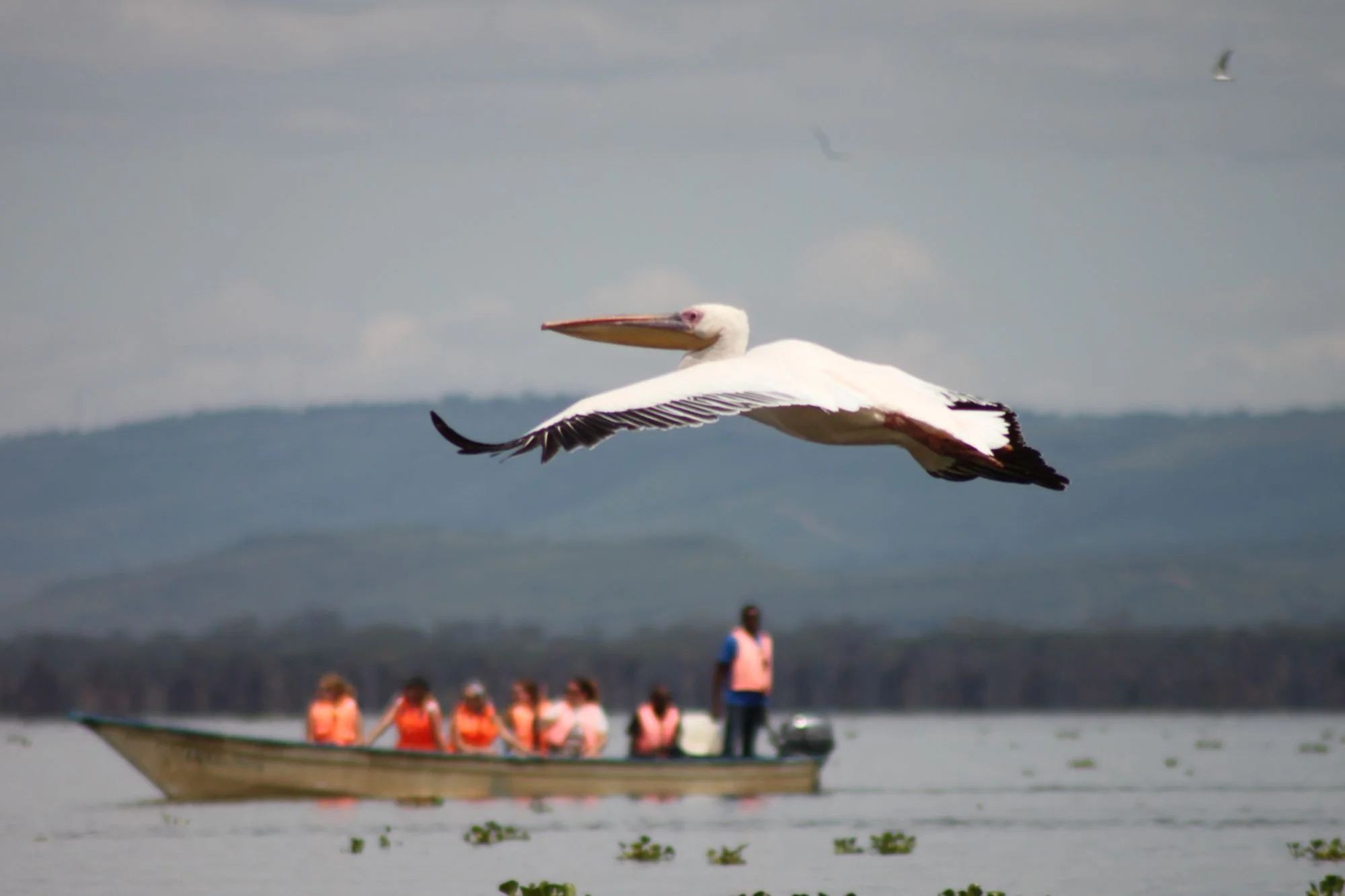
Biodiversity Loss and Land Use Change

The LAND group analyzes how agricultural expansion, infrastructure development, and other land-use dynamics drive biodiversity loss, combining spatial data and field research to identify pathways toward more sustainable land use.
LAND-2_Verleysdonk.jpg
© Verleysdonk/ZEF

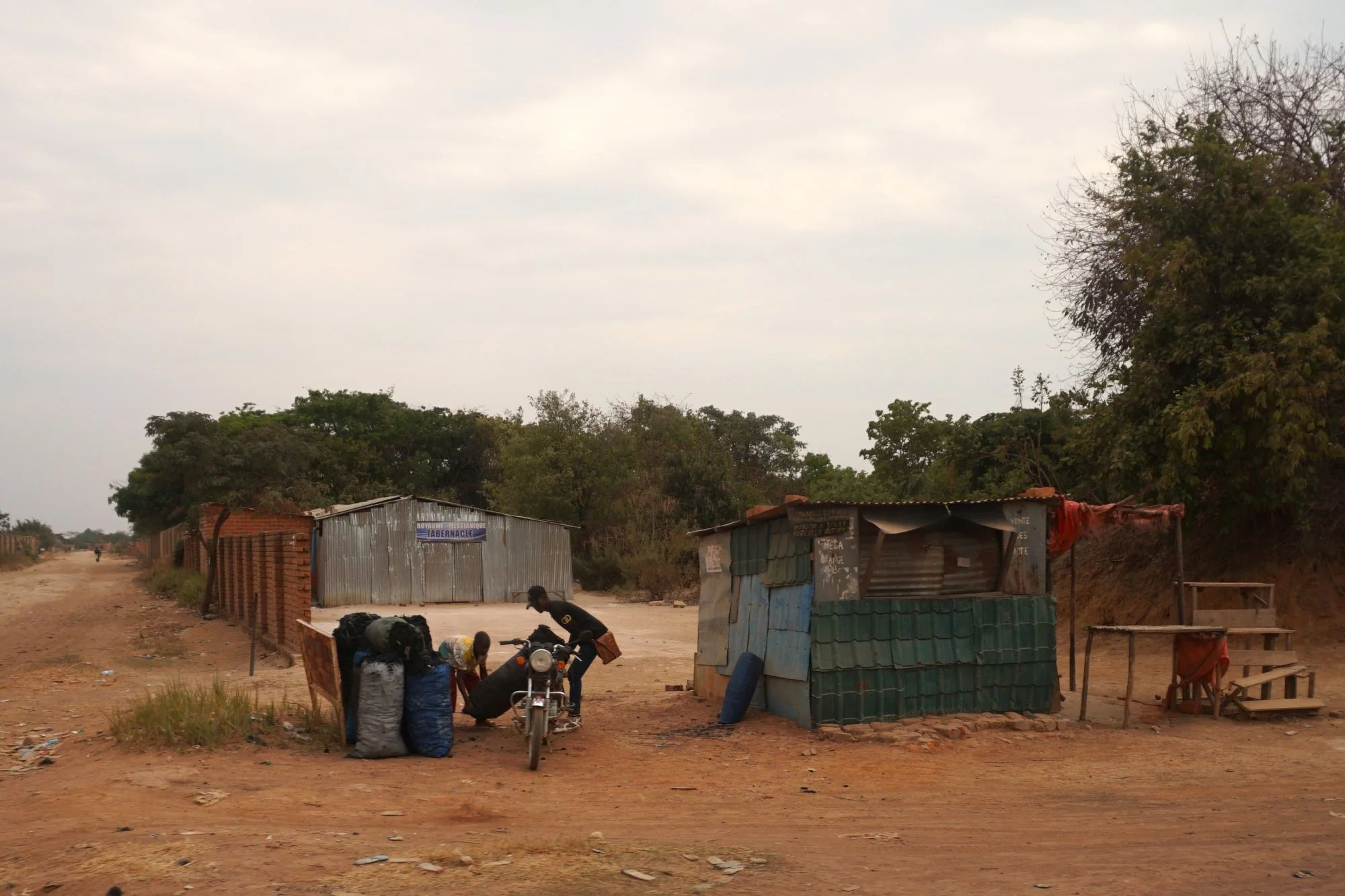
Science-Policy Interface and Sustainability Transformation

The LAND group works to translate scientific findings on land use and biodiversity into actionable policy recommendations, supporting decision-makers in implementing sustainability transformations at local, national, and international levels. 
LAND-3_Gella-Ethiopia.jpg
© Gella/ZEF

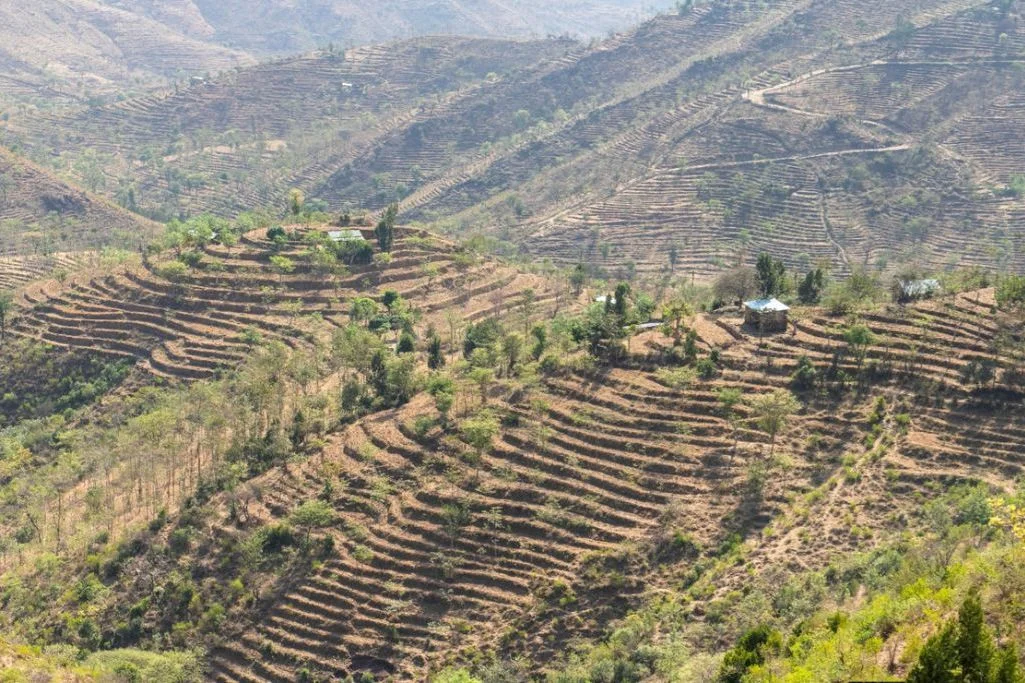
Landscape Governance and Biodiversity Conservation

The LAND group investigates governance approaches that balance conservation and development needs, co-designing landscape-level strategies with stakeholders to protect biodiversity while improving livelihoods such as Nature-based Solutions.

LAND Staff

  • Biber-Freudenberger, Jun.-Prof. Lisa, lfreuden(at)uni-bonn.de
  • Ali, Fatima, s7faalii(at)uni-bonn.de
  • Haines-Matos, Vanessa, nessyvessy.matos(at)gmail.com
  • Jacob, Philipo, philipatali(at)gmail.com
  • Moseti, Vincent, vmosetin(at)uni-bonn.de
  • Nabatanzi, Maureen, mnabatanzi(at)musph.ac.ug; maureen.nabatanzi@uni-bonn.de
  • Nady Abdelsabour Mohamed, Mahmoud, mabdelsa(at)uni-bonn.de
  • Velander, Sara Elizabeth, svelander(at)uni-bonn.de
  • Dr. Hannah Nyakio Kamau
  • Dr. Qambemeda Masala Nyanghura
  • Dr. Paula Oddone Souza

LAND Projects

Keywords
Biodiversity, Land Use, Climate change, Arboviruses, Emerging Infectious Diseases

Countries
Germany and Uganda

Summary
In the ArboEmerge project we assess the current and future risk of infectious zoonotic diseases under future ecological, climate and socio-economic change in Uganda. In particular, we explore spill over infections in vector species (e.g. mosquitoes, rodents and ticks), livestock and humans to identify drivers of emerging arboviral diseases and propose preventive policies.

Methodology
Applying an inter-disciplinary approach, samples from mosquitoes, livestock, and humans in three less disturbed ecosystems (Bwindi Impenetrable, Queen Elizabeth, and Murchison National Parks) and adjacent disturbed urban areas (Kasese and Arua Cities) will undergo screening for pre-epidemic arboviruses. Identified arboviruses will undergo molecular and phenotypic characterization, and phylogenetic analysis to describe their intra- and inter-host genetic diversity. Using phylogeographic analyses, we will reconstruct the virus spatial movement and build ecological niche models that assess the influence of different socioeconomic and ecological factors on the risk of virus transmission and disease outbreaks. This will also enable modelling of virus and host distribution as well as infection risk under current and future climatic and land use scenarios. We will also apply Bayesian decision modelling approaches to assess the effectiveness of policy interventions in reducing the risk of outbreaks under current and future climatic and land use scenarios.

Main Cooperation Partners

  • University of Bonn, ZEF
  • Charité Universitätsmedizin Berlin
  • Makerere University, Uganda
  • Uganda Virus Research Institute

Main Funding Partners
Deutsche Forschungsgemeinschaft (DFG)

Duration of the Project
36 months

Team

  •  Jun.-Prof. Lisa Biber-Freudenberger, ZEF
  • Prof. Dr. Sandra Junglen, Berlin
  • Dr. Julius Lutwama, Uganda
  • Dr. Anthony M. Nsubuga, Uganda
  • Dr. Innocent B. Rwego, Uganda
  • Erick B. Kigai, Uganda
  • Peter Z. Sabakaki, Uganda
  • Selina Graf, Berlin
  • Teddy A. Tindyebwa, Uganda
  • Maureen Nabatanzi, ZEF

Contact
Jun.-Prof. Lisa Biber-Freudenberger, Phone.: +49-228-73-1726

Keywords
Nature-based Solutions; biodiversity-climate synergies; Social dimension; participatory processes: Transdisciplinarity

Countries
Austria; Colombia; Côte d'Ivoire; Lebanon

Summary

The BioClimSocial project focused on the significance of the social dimension in the context of researching, planning and implementing measures for biodiversity and climate mitigation and adaptation at the local and regional level whilst producing just, sound and sustainable social benefits.

The ‘social dimension’ in NbS encompasses three facets: social principles and processes and outcomes of both actors and stakeholders through transdisciplinarity. The study is underpinned on the assumption that best practice is achieved when -

i). the views, needs, knowledge and experiences-including local and Indigenous knowledge - of a diversity of actors/stakeholders across civil society, industry and academia,

ii). as well as relationships between these actors/stakeholders (power relations, institutional arrangements, governance systems)

- are fully considered to facilitate NbS co-creation.

The project aim was to complement the existing knowledge and tools in the respective field with the emphasis on the social dimension in applied research in climate- biodiversity relevant NbS.

Specific objectives of the project were:

  • To undertake transdisciplinary research that will lead to the development of a guideline (what was to become the ‘Guideline Report’). The purpose of this Guideline Report was to provide a theoretical underpinning as well as practical recommendations for considering the social dimension in NbS for climate and biodiversity.
  • To collaborate with four, active global NbS case studies to enrich the Guidelines with “good practice” examples and lessons learnt of the four case studies which explore experiences made by applied and application-oriented projects on: restoring mangroves in Colombia; urban greening in Lebanon; agroforestry practices in Côte d'Ivoire; and biodiversity-climate synergies in the rural mountainous areas of Austria.
  • To foster capacity building for future collaboration and potential research that expands on the current scientific foci. 

The BioClimSocial Project was undertaken by analysing the social dimension of synergistic climate-biodiversity NbS through two interlinking research packages:

Work Package 1 involved the undertaking of data collection on the features of the social dimension as an integral part of NbS research and implementation. The data sets were drawn from those NbS researchers applying transdisciplinary research.

A mixed methodology analysis of data via surveys and interviews produced the project empirical data, the respondents of whom were identified from a curated BioClimSocial NbS database of geographically diverse NbS study cases. The database represented four NbS sectors: agroforestry, coastal, mountainous and urban regions with a global reach across both the Global North and Global South. The questionnaire respondents, pooled from the database, responded to the three facets - NbS social principles, process and outcome.

Work Package 2 centred around the research and practice of four selected NbS case study partner groups. The learning from their evolving NbS cases, along with their contributions to WP1, fundamentally shaped the findings of the BioClimSocial Project. The four NbS case study partners, along with our selected Project Advisory Group (PAG) of experts, were part of an iterative process of knowledge co-production through transdisciplinarity to produce two BioClimSocial Project outputs - the Guideline Report on the Social Dimension of NbS and a peer-reviewed publication.

Work Package 3 and 4 constituted capacity building and project management activities, both of which were designed to support the ongoing and potential future research activities for our case study partners.

One of the most significant capacity-building events to take place, facilitating the exchange of ideas and the opportunity for intense deliberation among attendees, was at the Vilm (Island of Vilm, Germany) Workshop in May 2024, at the BfN premises -

BioClimSocial project for fostering applied research focussing on biodiversity and climate Peer exchange workshop -

A 3-day, in-person workshop, inviting NbS experts for an interactive peer-exchange with the focus on the social dimension of NbS through the iterative process of transdisciplinarity.

Our participants included the BioClimSocial case study partners, Project Advisory Group experts, a funding specialist and members of the BfN and ZEF- Uni Bonn teams.

Objectives:

  1. To understand the work to date of each of the NbS case study partners’ research and practice and exchange their findings on how to optimise transdisciplinarity;
  2. To document the commonalities and divergences in the social impacts and benefits of NbS, at any point along the NbS cycle;
  3. To make valuable contributions to the initial stages in the development of the NbS Guideline Report.
  4. To explore further funding opportunities in advancing their case studies with the emphasis on ‘co-creation with stakeholders.

Output: The workshop findings and key recommendations were to  provide fundamental data to contribute to both the Guideline Report and a co-authored scientific paper.  

    Main Cooperation Partners

    • Agroforestry: Prof. N’golo A. Koné and Dr. Kolotchèlèma Simon Silué, University Félix Houphouet Boigny & University Nangui Abrogoua, African Center of Excellence (CEA-CCBAD)
    • Alpine/Mountainous: Günther Schreder- researcher at the Department for Knowledge and Communication Management, and Nicole Hynek- researcher at the Department for Knowledge and Communication Management at Danube University Krems, Austria; Florian Schublach - Manager of the Ötscher-Tormäuer Nature Park
    • Coastal/Marine: Prof. Ernesto Mancero- Marine Biologist, Universidad Nationale de Colombia
    • Urban: Prof. Salma Talhouk - American University of Beirut; Carine Ghassibe and Nour Bassil - graduate students of Prof. Talhouk at the American University of Beirut, Lebanon

    Main Funding Partners
    Federal Agency for Nature Conservation (BfN), with funds of the German Ministry for the Environment, Nature Conservation, Nuclear Safety and Consumer Protection (BMUV) 

    Principal Lead at BfN

    • Irina Kozban

    Project Advisory Group (PAG)

    • Dr. Andre Mascarenhas
    • Dr. Sunita Chaudhary

    Duration of the Project
    Spring 2023 - November 2025

    ZEF Research Areas
    Global NbS in sectors of agroforestry, coastal and mountainous regions and urban greening. Stakeholder engagement and conflict resolution. Transdisciplinarity. Social Dimension of NbS 

    Team at ZEF

    • Jun.-Prof. Lisa Biber-Freudenberger (Implementing Academic Project Lead)
    • Vanessa Haines-Matos (ZEF principal researcher)

    Contact
    Jun.-Prof. Lisa Biber-Freudenberger, Phone.: +49-228-73-1726

    Keywords
    Roads, Rural areas, political economy, socioecological impacts, Nature Futures Framework

    Countries
    Kenya and Namibia

    Summary
    In this project, we assess the role of politics in road network development in Kenya. Specifically, we are interested in understanding if and how electoral motives by incumbents drive road infrastructure distribution.

    Secondly, we evaluate the road-induced tradeoffs between socioeconomic development and environmental conservation in the rural areas of Kenya and Namibia.

    Methodology
    We take an inter- and transdisciplinary approach to achieve the project’s objectives.

    First, basing on well-established theory on distributive politics from political science, we evaluate the relationship between politics and road development using geospatial datasets and econometric modeling techniques. 

    Secondly, we engage various stakeholders especially the rural dwellers in Namibia to develop current and future scenarios of road impacts based on the NFF framework.

    Finally, we jointly evaluate the socio economic and environmental impacts due to roads using existing impact evaluation techniques and borrowing from other disciplines including remote sensing and geographic analysis and conservation biology.

    Main Cooperation Partners
    University of Cologne

    Main Funding Partners
    German Research Foundation- DFG

    Duration of the Project
    4 years

    Project Homepage
    https://crc-trr228.de/a05-future-roads/

    Team

    • Jun. Prof. Lisa Biber-Freudenberger
    • Prof. Dr. Jan Börner
    • Vincent Moseti

    Contact
    Vincent Moseti, Phone.: +49-228-73-1714

    Keywords
    Land use, conflicts, synergies, Agenda 2030, agriculture, land degradation, biodiversity loss, agriculture, gender, climate change, health, Science Policy Interface

    Countries
    Africa particularly East Africa and Sub-Saharan Africa: Kenya, Tanzania, Egypt, Sudan

    Summary
    In LANUYSNCON, we try to answer urgent questions about the efficient and sustainable use of natural resources. This requires the conceptual and practical involvement of different perspectives, actors and research fields. Using case study in sub-Sahara Africa, particularly in Kenya and Tanzania, we examine the complex trade-offs between different Sustainable Development Goals (SDGs).

    The aim is to provide results that will help to understand and consider impacts of land use decisions beyond the respective policy sector in order to promote coherent land use policies.

    Methodology

    • Dynamic Bayesian network analysis
    • Decision modelling
    • Structured interviews
    • GIS analysis

    Main Cooperation Partners

    Main Funding Partners

    Policy Briefs

    • Road Development and Conservation: Infrastructure Planning in Biodiversity Hotspots
      by Philipo J. Mtweve, Pierre Ibisch & Lisa Biber-Freudenberger, ZEF Policy Brief No. 60
      Download
    • Diversification opportunities in Agriculture
      by Hannah Kamau & Lisa Biber-Freudenberger, ZEF Policy Brief No. 61
      Download
    • Designing cost-effective incentives for Tanzania’s ecological corridors
      by Qambemeda M. Nyanghura, Jan Börner & Lisa Biber-Freudenberger, ZEF Policy Brief No. 62
      Download
    • Strengthening Science – Policy Interfaces for Coherent and Sustainable Land Use
      by Sara Velander, Lisa Biber-Freudenberger & Thomas Dietz, ZEF Policy Brief No. 63
      Download

    Publications

    • Velander, S. (2025). From silos to synergy: Mapping institutional collaboration across global environmental science–policy interfaces. Environmental Science & Policy, 170, 104126. https://doi.org/10.1016/j.envsci.2025.104126
    • Biber-Freudenberger, L., Bogner, C., Bareth, G., Bollig, M., Dannenberg, P., Diez, J. R., Greiner, C., Mtweve, P. J., Klagge, B., Kramm, T., Müller-Mahn, D., Moseti, V., Nyamari, N., Ochuodho, D. O., Kuntashula, E., Theodory, T., Thorn, J. P. R., & Börner, J. (2025). Impacts of road development in sub-Saharan Africa: A call for holistic perspectives in research and policy. iScience, 28(2), 111913. https://doi.org/10.1016/j.isci.2025.111913
    • Mtweve, P., Eustace, A., Nyanghura, Q., Moseti, V., Kramm, T., Ibisch, P., & Biber-Freudenberger, L. (2025). An Integrated Decision Support Framework for Sustainable Road Planning in Biodiversity Hotspots. Nature Portfolio. https://doi.org/10.21203/rs.3.rs-7419361/v1 
    • Nyanghura, Q. M., Börner, J., & Biber-Freudenberger, L. (2024). Motivational drivers and the effectiveness of conservation incentives. Frontiers in Sustainable Food Systems, 8. https://doi.org/10.3389/fsufs.2024.1493672 
    • Souza, P. O., Callo-Concha, D., Kamau, H., De Souza Fernandes, L. C., Zabini, C., & Biber-Freudenberger, L. (2024). Are stakeholders aware of the contributions of ecosystem services for their Well-Being? A case study of a UNESCO geopark project in Brazil. Human Ecology, 52(6), 1203–1216. https://doi.org/10.1007/s10745-024-00558-6 
    • Kamau, H., Roman, S., & Biber-Freudenberger, L. (2023). Nearly half of the world is suitable for diversified farming for sustainable intensification. Communications Earth & Environment, 4(1). https://doi.org/10.1038/s43247-023-01062-3 
    • Wagner, N., Velander, S., Biber-Freudenberger, L., & Dietz, T. (2022). Effectiveness factors and impacts on policymaking of science-policy interfaces in the environmental sustainability context. Environmental Science & Policy, 140, 56–67. https://doi.org/10.1016/j.envsci.2022.11.008 
    • Velander, S., Martinelli, F. S., Sari, D. I., Ali, F., & Biber-Freudenberger, L. (2021). A dichotomy of domestic and academic pathways: challenges of motherhood in an international doctoral program on land science. Journal of Land Use Science, 17(1), 226–244. https://doi.org/10.1080/1747423x.2021.2015002

    Duration of the Project
    1 July 2020 to 30 June 2025

    Team

    • Jun.-Prof. Lisa Biber-Freudenberger
    • Hannah Nyakio Kamau
    • Philipo Jacob
    • Qambemeda Masala Nyanghura
    • Sara Velander
    • Fatima Salaheldin Ali
    • Nady Mahmoud

    Contact
    Jun.-Prof. Lisa Biber-Freudenberger, Phone.: +49-228-73-1726


    Wird geladen