What arboviruses are and why they matter
Arthropod-borne viruses (arboviruses) are defined as “viruses transmitted by arthropods such as mosquitoes and ticks, which infect vertebrate hosts through biting and can cause human diseases” (AI generated definition based on virology 2021). Arboviruses are found in pristine ecological systems and are maintained in enzootic cycles involving mosquitoes, ticks, wild birds and animals. However, human-driven changes to land use, such as deforestation, poaching and farming, alter ecosystems and the behaviour of the mosquitoes that transmit these viruses, known as vectors. These changes can bring livestock and humans into closer contact with wildlife and vectors, thereby reshaping virus transmission dynamics and increasing the risk of cross-species spillover, i.e. the ability of viruses to infect humans. Such shifts can set the stage for new outbreaks of viruses in communities, particularly in areas bordering protected ones.
How and where research was conducted
Uganda is rich in biodiversity and is also a hotspot for emerging zoonotic viruses, making it the ideal place to study these dynamics. Data were collected from major ecosystems across the Albertine Rift, including Bwindi Impenetrable, Semuliki, Queen Elizabeth and Murchison Falls National Parks, as well as from urban centers such as Kasese and Arua.
Blood samples were collected from community members and their livestock for this study, while rodents, shrews, ticks and mosquitoes were trapped for further examination. Community interviews captured socio-economic characteristics, as well as knowledge, attitudes and practices relating to arboviral disease risk. Laboratory analyses identified vectors and pre-epidemic viruses, informing models of arbovirus distribution and transmission in the context of ecological change. Modeling studies conducted by ZEF connected these findings to approaches for predicting high-risk areas for arboviral disease transmission, as well as policy options for reducing these risks.
Involving communities
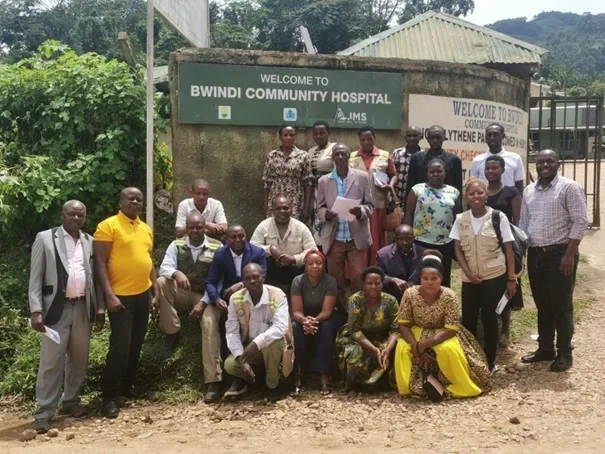
In February 2026, the team returned to the communities from which samples had been collected in order to share the preliminary results. During a number of workshops it became clear that community members were often unaware that mosquitoes transmit diseases other than malaria. Furthermore, preventive measures were mostly limited to the use of mosquito nets, with other measures, such as wearing protective clothing and removing potential breeding sites, being less common. Additionally, households headed by an older or less educated person tended to implement fewer preventive measures.
Overall, community members were highly interested in the results and appreciated the effort to share these insights with them. To avoid future disease outbreaks, they emphasized the need for government support. The meetings, which were attended by district leaders, fostered dialogue between community members, district leaders and researchers, thereby building social responsibility towards prevention initiatives and turning research into a shared community resource.
Discussing policy implications with policy makers
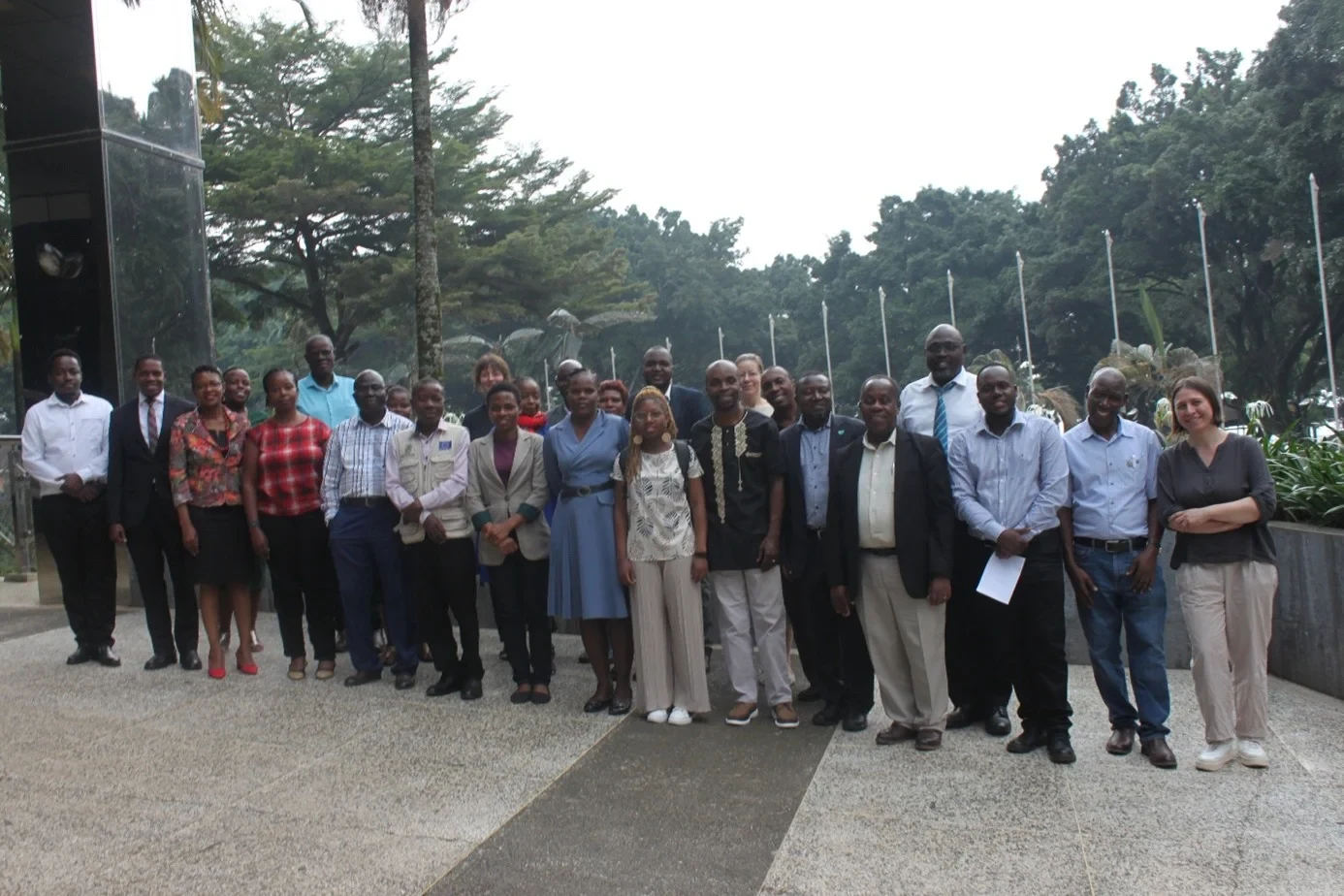
On February 26, 2026, the dissemination event continued in Entebbe, bringing together policymakers from the Ministries of Health, Agriculture, the Environment and Wildlife, as well as researchers specialising in virology, public health, one health and conservation.
During the meeting, the team presented preliminary evidence of the silent circulation of novel arboviruses among livestock and communities in the Albertine Rift. They emphasized the urgent need for mosquito prevention interventions and the strengthening of One Health coordination to enhance prevention efforts.
The policymakers welcomed the findings and called for engagement with additional government entities to integrate the results into plans and budgets.
Why dissemination matters
Dissemination is more than sharing findings—it is about transforming research into action. In public health, timely communication ensures knowledge informs policy, strengthens community resilience, and maximizes the social value of science.
The ArboEmerge dissemination activities underscore an ethical responsibility: making research accessible, transparent, and relevant to those most affected. Bridging science and society is not optional—it is essential for tackling emerging infectious diseases.