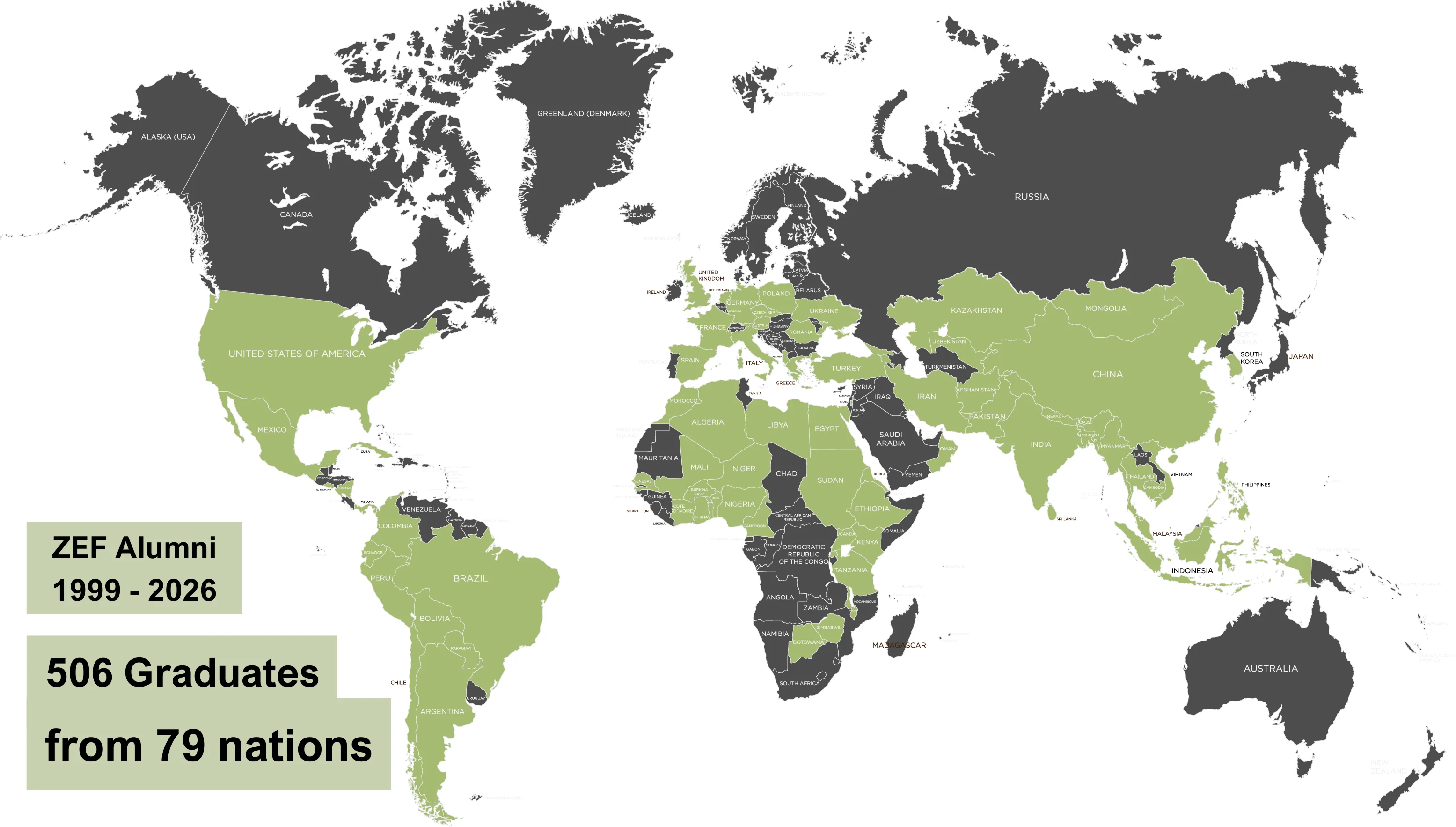
The power and value of development-related training programs and university partnerships
The German government has resorted to a number of austerity measures affecting various areas of society, including higher education and development cooperation. ZEF is among the institutions severely affected by government cuts in development-related training programs and university partnerships.
Roughly half of ZEF's doctoral students have received funding over the past 30 years through the German Academic Exchange Service (DAAD EPOS), one of the programs affected by the cuts. Many of our alumni have taken on leading positions in government administration or universities in their home countries or in international development or research organizations.
We reached out to some of our alumni to gather their thoughts and reflections. See their responses below.
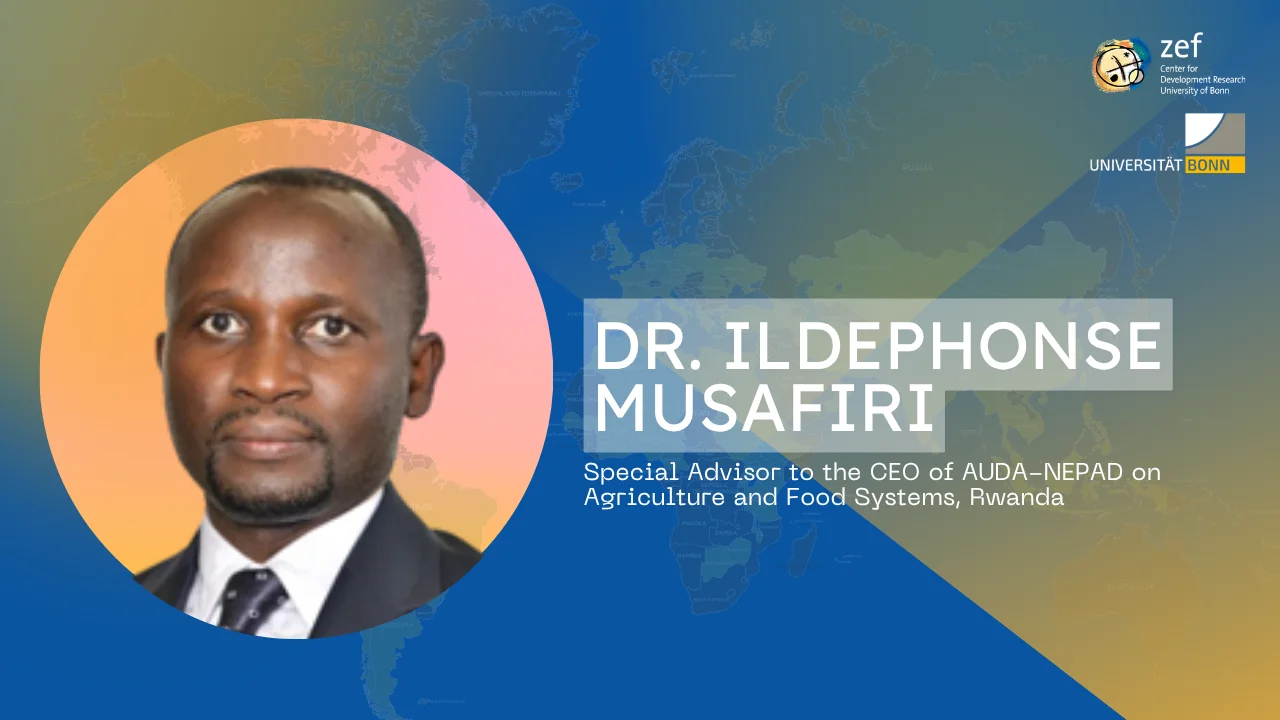
Dr. Ildephonse Musafiri, Rwanda
Former Minister of Agriculture and Animal Resources; today Special Advisor to the CEO of African Union Development Agency (AUDA-NEPAD)
Graduated in 2015 from the University of Bonn
“The DAAD EPOS scholarship was not only an investment in my education; it became an investment in public service and the development of my home country. I have used the knowledge and confidence gained through my doctoral training to support evidence-based policymaking and institutional coordination. In the Office of the President of Rwanda, I advised on economic and development priorities and helped coordinate implementation across government. In my current work, I also engage with German development institutions, including GIZ, where our priorities intersect. The relationships created through DAAD have therefore continued well beyond the scholarship period and remain relevant to my work in Africa. My own journey shows the multiplier effect of one scholarship: it supported one student, but its benefits have extended to public institutions, national development and now continental food-systems transformation.”
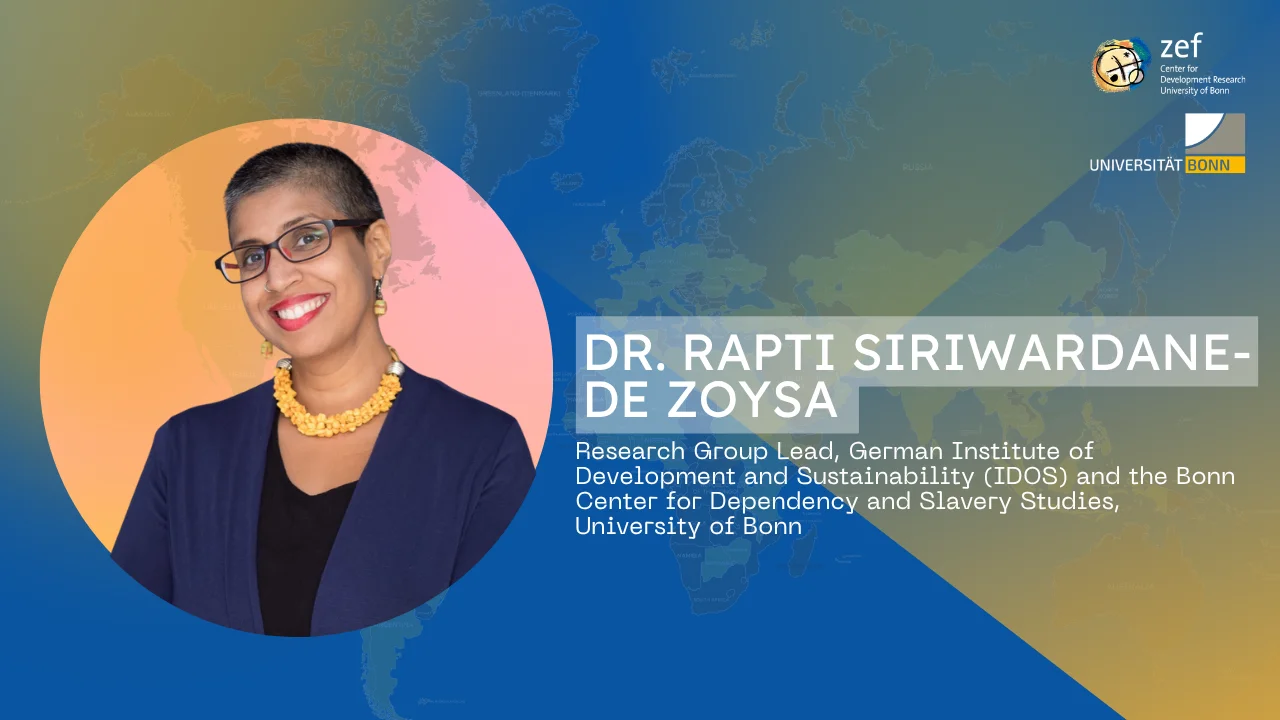
Dr. Rapti Siriwardane-de Zoysa, Sri Lanka
Research Group Lead, German Institute of Development and Sustainability (IDOS) and the Bonn Center for Dependency and Slavery Studies, University of Bonn
Graduated in 2015 from the University of Bonn
“Over the past nine years, I have contributed to strengthening Germany’s international academic and development cooperation from within German institutions. As a mid-career academic successful in third-party funding acquisition, I have initiated and expanded collaborations with partners across Ecuador, the Dutch Caribbean, Jamaica, Indonesia, India, Mauritius, the Philippines, South Africa, Sri Lanka, Singapore, and the USA. In this sense, my work has not only benefited my own career but has helped position German academia as an active partner in international knowledge production, especially with scholars and institutions beyond the usual Euro-American centres. Cancelling the DAAD EPOS scholarship feels like an act of strategic self-sabotage. What it does is dismantle an entire pipeline of science, policy, and development diplomacy. This is not simply a matter of “cutting a scholarship line” or shedding many non-descript beneficiaries. At a time when Germany urgently needs more global allies and more diverse partnerships, not fewer, cancelling DAAD EPOS is profoundly short-sighted. It closes a proven channel of cooperation exactly when such channels are most needed. What Germany loses is not only talent, but trust, reach, reciprocity, and influence.”
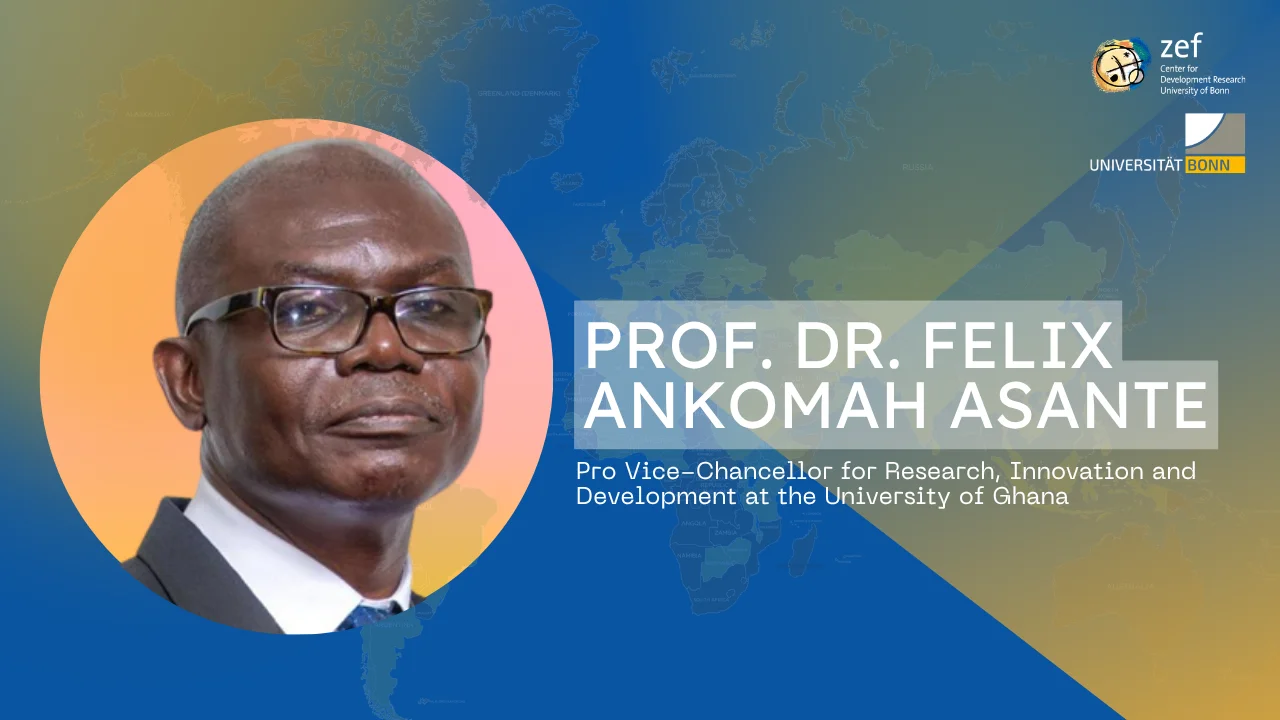
Prof. Dr. Felix Ankomah Asante, Ghana
Pro Vice-Chancellor for Research, Innovation and Development at the University of Ghana
Graduated in 2002 from the University of Bonn
“The German system and culture have influenced my work as a senior university administrator in my home University of Ghana. Throughout the last 20 years, I collaborated with other researchers at ZEF to supervise PhD students and run joint research projects. After more than 20 years of fruitful cooperation, the University of Bonn and the University of Ghana recently got a new joint DFG-funded Collaborative Research Center (CRC) on Food System Transformation for Sustainable Nutrition (FoodDiverse) approved. Cancelling the DAAD EPOS funding means losing current and future research collaboration on pressing challenges, such as climate change and food systems. This type of research collaboration allows both countries to learn from each other and deepen insights.”
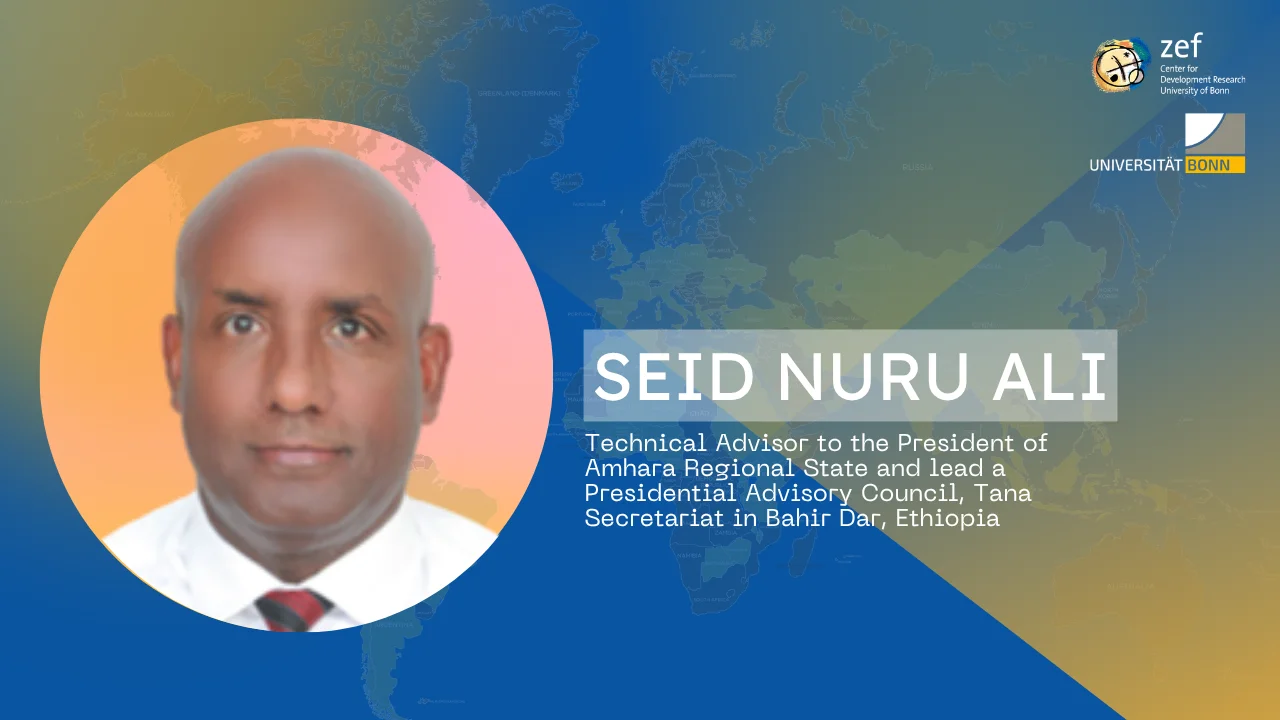
Dr. Seid Nuru Ali, Ethiopia
Technical Advisor to the President of Amhara Regional State, Ethiopia
Graduated in 2007 from the University of Göttingen
“I joined the ZEF doctoral Program in 2004 with generous support from Germany through DAAD, German Agency for Technical Co-operation (GTZ), and German Federal Ministry for Economic Cooperation and Development (BMZ). I held a position of Senior Researcher at ZEF. Global cooperation in this era of apparent lawlessness is key. I do believe most DAAD alumni are ambassadors of Germany. Cancellation of the DAAD EPOS funding would cost Germany its important social capital globally.”
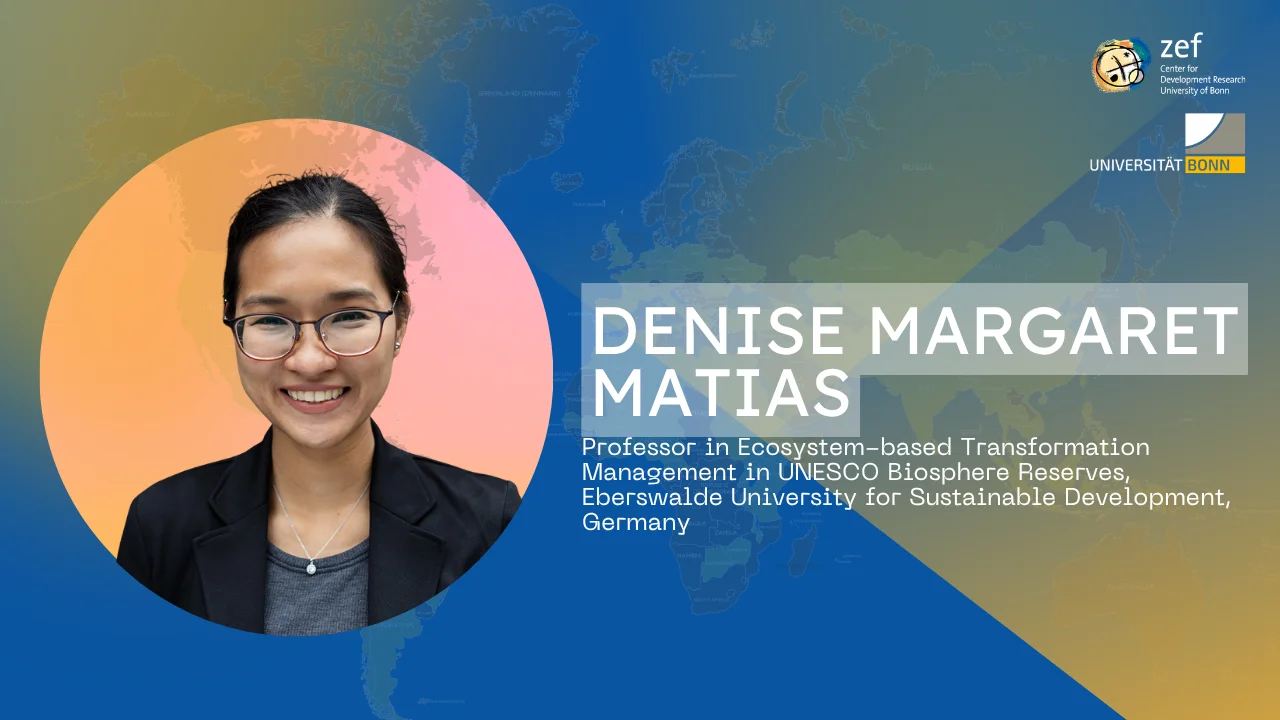
Prof. Dr. Denise Margaret Matias, Philippines
Professor in Ecosystem-based Transformation Management in UNESCO Biosphere Reserves, Eberswalde University for Sustainable Development, Germany
Graduated in 2017 from the University of Bonn
The DAAD EPOS scholarship and the doctoral degree from ZEF Bonn have greatly impacted my career development. With the scholarship, I not only received education but I also gained access to a broad network of researchers focusing on development work, especially in Asia and Africa. I am a member of the selection committee of the Alexander von Humboldt Foundation International Climate Protection Scholarship. Germany stands to lose a lot in attracting great minds from all over the world if the DAAD EPOS scholarship is cancelled. We need to attract brilliant scholars to Germany, and BMZ can contribute to this and at the same time fulfil Germany’s Official Development Assistance obligations through the DAAD EPOS funding.”
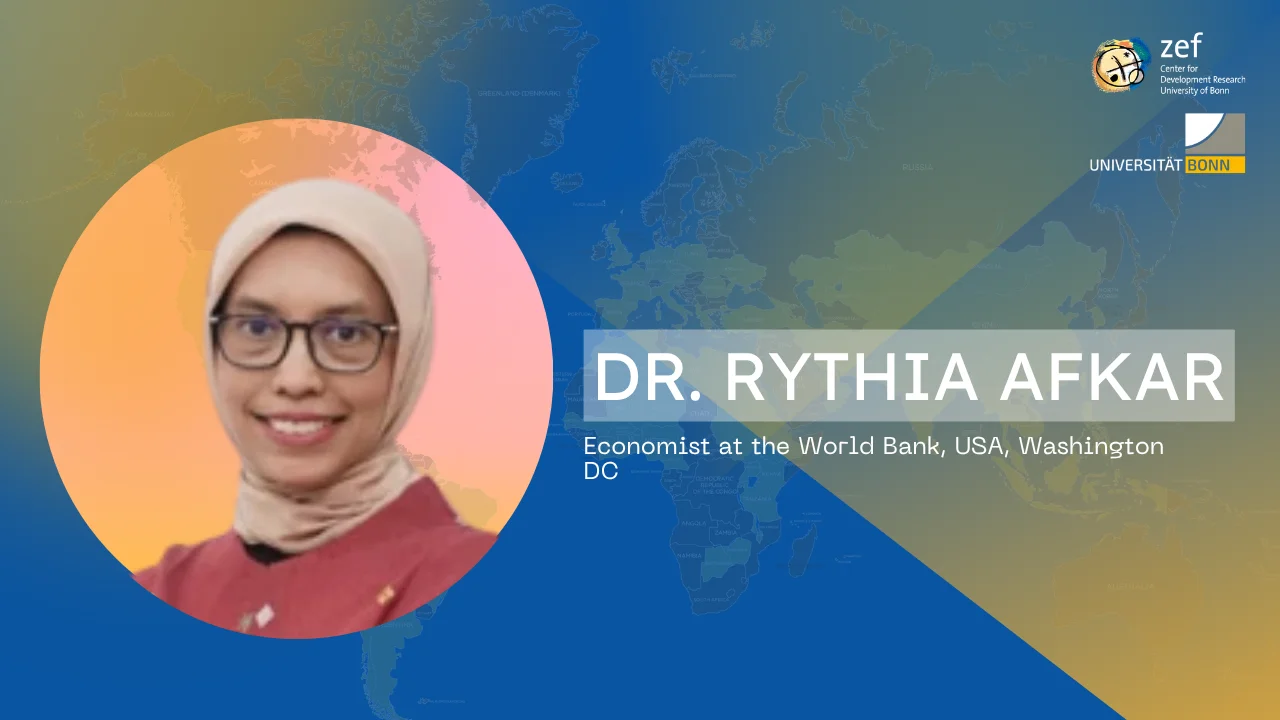
Dr. Rythia Afkar
Economist at the World Bank, USA, Washington DC
Graduated in 2016 from the University of Bonn
“Through my job at the World Bank, which I was able to take on after completing my PhD, I contributed directly to the development agenda, particularly in the areas of education and human capital development. These engagements helped translate research and academic training into practical development outcomes on the ground. Without the DAAD EPOS scholarships, we lose far more than individual opportunities; we lose a vital connection between Germany and the countries and institutions its alumni serve. We lose the opportunity for talented individuals to contribute meaningfully to the global development agenda.”